Vaccine experts fear politics is replacing science under HHS Secretary Robert F. Kennedy, Jr. ‘s leadership, Helen Branswell reported for STAT News on Aug. 5.
Medical professionals and others familiar with the United States’ pandemic preparedness expressed horror when Kennedy announced that the federal Center for the Biomedical Advanced Research and Development Authority (BARDA) would no longer fund research into the development of messenger RNA (mRNA) vaccines, Branswell wrote. The lack of funding could cripple the government’s emergency preparedness and limit the development of vaccines, she added. Similar nations would be better prepared for the next pandemic, leaving the United States without enough vaccines for months, she said.
“We have just demonstrated that politics will overrun science in this administration. It scares me to think of what’s ahead,” Michael T. Osterholm, Ph.D., told Branswell. Osterholm directs the University of Minnesota’s Center for Infectious Disease Research and Policy.
When covering this story, health care journalists can explore the following angles:
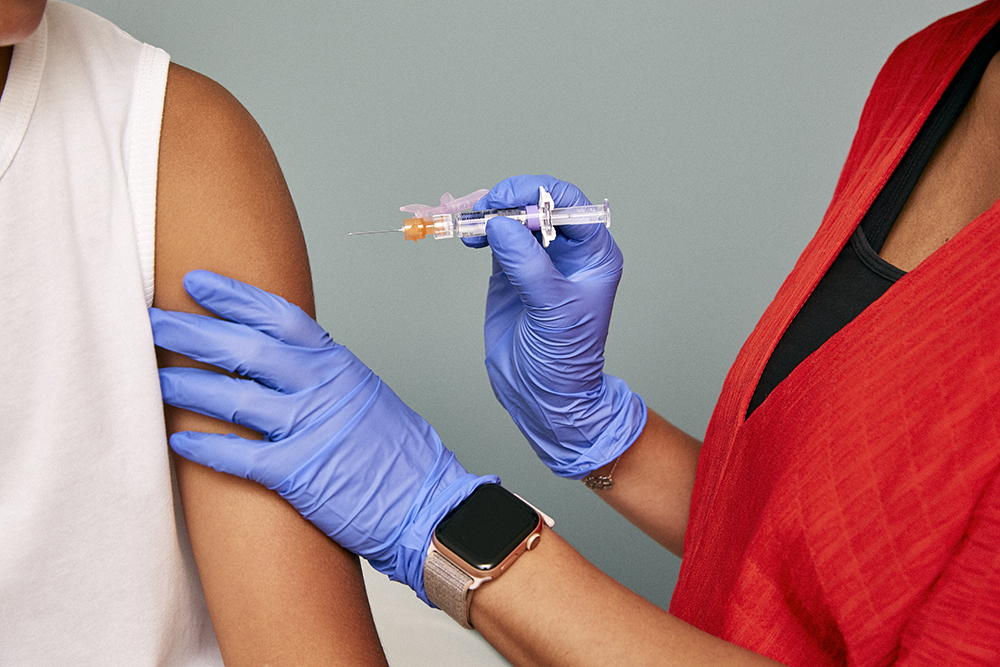
- Will increased skepticism about vaccines decrease demand for shots for influenza, tetanus, diphtheria, pertussis (Tdap) and COVID-19?
- Will parents hesitate to get their children inoculated for measles, mumps, rubella and polio?
- If the number of adults and children getting vaccinations declines, will cases spike for flu and other seasonal conditions?
- Will more deaths be reported if fewer adults and children get the recommended shots?
- Will the Advisory Committee on Immunization Practices (ACIP) change the recommendations for vaccinations, and if so, which agencies will track the results of such changes?
- Will government agencies report vaccine uptake accurately, and will they report deaths and serious injuries correctly?
- COVID remains extant in 40 states, meaning it could spike if adults cannot get mRNA vaccines, which proved to be effective during the public health emergency.
Scientists have said that mRNA vaccines saved millions of lives during the pandemic and do not increase the mutation rate of viruses, science correspondent Nicola Davis reported for The Guardian US, Wednesday, Aug. 6.
In a statement from HHS, Kennedy said, “BARDA is terminating 22 mRNA vaccine development investments because the data show these vaccines fail to protect effectively against upper respiratory infections like COVID and flu. We’re shifting that funding toward safer, broader vaccine platforms that remain effective even as viruses mutate.”
HHS will cancel BARDA’s award to Moderna and the University of Texas Medical Branch for an mRNA-based H5N1 vaccine; terminate contracts with Emory University and Tiba Biotech; and limit mRNA-related work in contracts with Luminary Labs, ModeX, and Seqirus, the statement added. Also, HHS said it would reject or cancel proposals from Pfizer, Sanofi Pasteur and other companies, and restructure collaborations affecting nucleic acid-based vaccine projects.
Canceling the 22 projects designed to fight respiratory viruses such as COVID-19 and the flu will save $500 million, Amanda Seitz reported for the AP. A vaccine critic, Kennedy also has fired the members of ACIP who make vaccine recommendations, and Kennedy refused to offer a vigorous endorsement of vaccinations as a measles outbreak worsened, she added.
Escalating concerns about RFK’s actions
Since late June, when the U.S. Supreme Court upheld one of the most popular provisions in the Affordable Care Act (ACA), health policy experts have been concerned about the effects of that ruling. Many hailed the decision on June 27 because it affected ACA Section 2713, which allows millions of Americans with health insurance to access preventive care without cost sharing, as KFF reported. We have covered that case — Kennedy v. Braidwood Management — extensively, in April, for example.
But many of those same experts worried that the ruling gave Kennedy the power to dismiss members of two groups that set policy for vaccines and preventive services: ACIP and the U.S. Preventive Services Task Force (USPSTF). (See the sidebar below for details on the services both groups recommend.)
On July 27, for example, John J. Whyte, M.D., CEO of the American Medical Association (AMA), wrote to Kennedy expressing concern about news reports that he would remove all task force members.
Two days earlier, Liz Essley Whyte (has no known relation to John J. Whyte) reported for The Wall Street Journal that Kennedy planned to remove all task force members, according to “people familiar with the matter,” she wrote. “Kennedy considers the panel too ‘woke,’ following White House targeting of DEI [diversity, equity, and inclusion] initiatives in different sectors, sources say,” she added.
In her article, Whyte explained that the task force members are medical experts who volunteer their time, are vetted for conflicts of interest and use scientific evidence to determine which interventions are proven to work. Since 1984, the task force has advised federal officials on preventive care, she wrote, adding that the ACA gave it the power to determine which screenings, counseling and preventive services most insurers must cover at no cost to patients.
Advisory committee members replaced
In June, Kennedy dismissed all 17 ACIP members who had advised the federal Centers for Disease Control and Prevention on immunizations. To explain the move, Kennedy wrote an op-ed for The Wall Street Journal, writing, “A clean sweep is needed to re-establish public confidence in vaccine science.”
When replacing those 17 previous members, Kennedy named eight new members, at least half of whom have expressed deep skepticism of some vaccines, Apoorva Mandavilli reported for The New York Times.
ACIP advises the CDC on vaccine policy, and its determinations have been followed widely, she added. “Insurance companies and government programs like Medicaid are required to cover immunizations that the C.D.C. recommends, and states base their school mandates on the agency’s guidance,” Mandavilli added.
Kennedy’s statements undermining public trust in vaccines have emboldened some parents who previously were skeptical about vaccines but reluctant to say so in public, according to an Aug. 5 report in The Wall Street Journal by Whyte and her colleague Sabrina Siddiqui.
Childhood-vaccination rates were falling even before Kennedy was named to head HHS, but now there are signs that his emphasis on vaccine risks has made it more acceptable to question or shun immunizations, they wrote.
“The number of kindergarteners with exemptions from vaccine requirements is at its highest level since the CDC began. Those numbers and measles cases hit a three-decade high in 2025, they wrote, citing CDC data. “The vaccine-preventable disease has hospitalized hundreds this year and resulted in the first U.S. measles-related deaths in a decade,” they added.
Coverage requirements for preventive services under the ACA
Section 2713 of the Affordable Care Act (ACA) requires most private health insurance plans and Medicaid expansion programs to cover recommended preventive services without any patient cost-sharing, according to a June KFF report.
Preventive services include a range of services such as screening tests, immunizations, behavioral counseling, and medications that can prevent the development or worsening of diseases and health conditions, KFF reported.
The preventive services that must be covered are:
- Those with an A or B grade from the USPSTF.
- Vaccines that the ACIP recommends.
- The recommendations from the federal Health Resources and Services Administration (HRSA) that are based on the Women’s Preventive Services Initiative and the Bright Futures for Children program.
Each group reviews new recommendations and publishes revisions to existing recommendations as needed, the report noted.
Resources
- “What’s the plan for fall vaccines? If you’re confused, you’re not alone,” Your Local Epidemiologist, Katelyn Jetelina, Aug. 6, 2025.
- “With RFK Jr. on Their Side, Parents Feel Emboldened to Question Vaccines,” Sabrina Siddiqui and Liz Essley Whyte, The Wall Street Journal, Aug. 5, 2025.
- “Expertise after Chevron: A potentially pyrrhic victory on executive control over preventive care,” SCOTUSblog, Abbe R. Gluck, July 14, 2025.
- “RFK Jr. Wants to Change a Program That Stopped Vaccine Makers From Leaving the U.S. Market. They Could Flee Again,” Patricia Callahan, ProPublica, July 12, 2025.
- “Kennedy v. Braidwood: The Supreme Court Upheld ACA Preventive Services but That’s Not the End of the Story,” KFF, June 27, 2025.
- “‘Not Just Measles:’ Whooping Cough Cases Are Soaring as Vaccine Rates Decline, Duaa Eldeib and Patricia Callahan, ProPublica, April 11, 2025
- “The CDC Buried a Measles Forecast That Stressed the Need for Vaccinations,” Patricia Callahan, ProPublica, March 28, 2025.