Who will deliver the babies? The gaping holes in U.S. pregnancy and delivery care
By Kristen Hwang, California Health Reporting Fellow
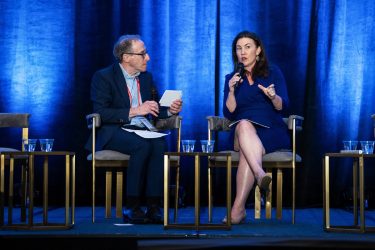
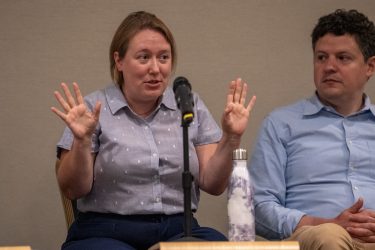
The numbers are striking. More than one in three counties in the United States have no doctors or hospitals delivering babies. That means for more than 2.3 million women of reproductive age, high-quality maternity care is inaccessible, according to panelists at Health Journalism 2025.
Across the country, “maternity deserts” are spreading. Rural areas have been hit the hardest, but obstetrics closures have happened in cities as well. Crucially, the closures disproportionately affect marginalized communities that already struggle with health care access, contributing to worsening maternal and infant outcomes, said Kasey Rivas, MPH, director of strategic partnerships at March of Dimes, a nonprofit research and advocacy organization that focuses on maternal and infant health.
Some attribute increased closures to the lingering financial impact of the COVID-19 pandemic, while others say they represent decades of underinvestment in women’s health. In an upcoming documentary produced by Every Mother Counts, a foundation that supports maternal health initiatives globally, one rural Tennessee hospital attributes the closure of neighboring maternity wards to high costs, poor reimbursement from insurance and staffing shortages.
“In a perfect world, our hospital wouldn’t be struggling to keep its doors open,” said Lindsey Harbin, M.D., a physician featured in the documentary.
Christy Turlington Burns, panelist and president of Every Mother Counts, said the U.S. is one of the only countries where insurance barriers create unequal access to care.
Medicaid, the federal insurance program for low-income Americans, paid for more than 40% of the country’s births, according to federal data. But in most states it reimburses on average $8,732 less than commercial health insurance for births, according to a 2022 analysis by the Health Care Cost Institute. Congressional Republicans are also pushing for deep Medicaid cuts that are estimated to push 7.7 million people out of the program by 2034, leaving them uninsured.
The budget put forth by Republicans also proposes to cut food assistance programs and services for low-income women, children and infants.
If that happens, the impact on maternal and infant health outcomes will be “catastrophic,” Rivas with March of Dimes said.
Medicaid is “an essential program. It covers millions and millions of people, not just pregnancy and postpartum but the infants and children as well,” Rivas said.
Maternity deserts are largest in the Midwest and South where in some states more than 50% of counties have no obstetrics care, according to a recent report on maternity care from March of Dimes.
“It’s no coincidence those are the areas with the worst maternal health outcomes,” Rivas said.
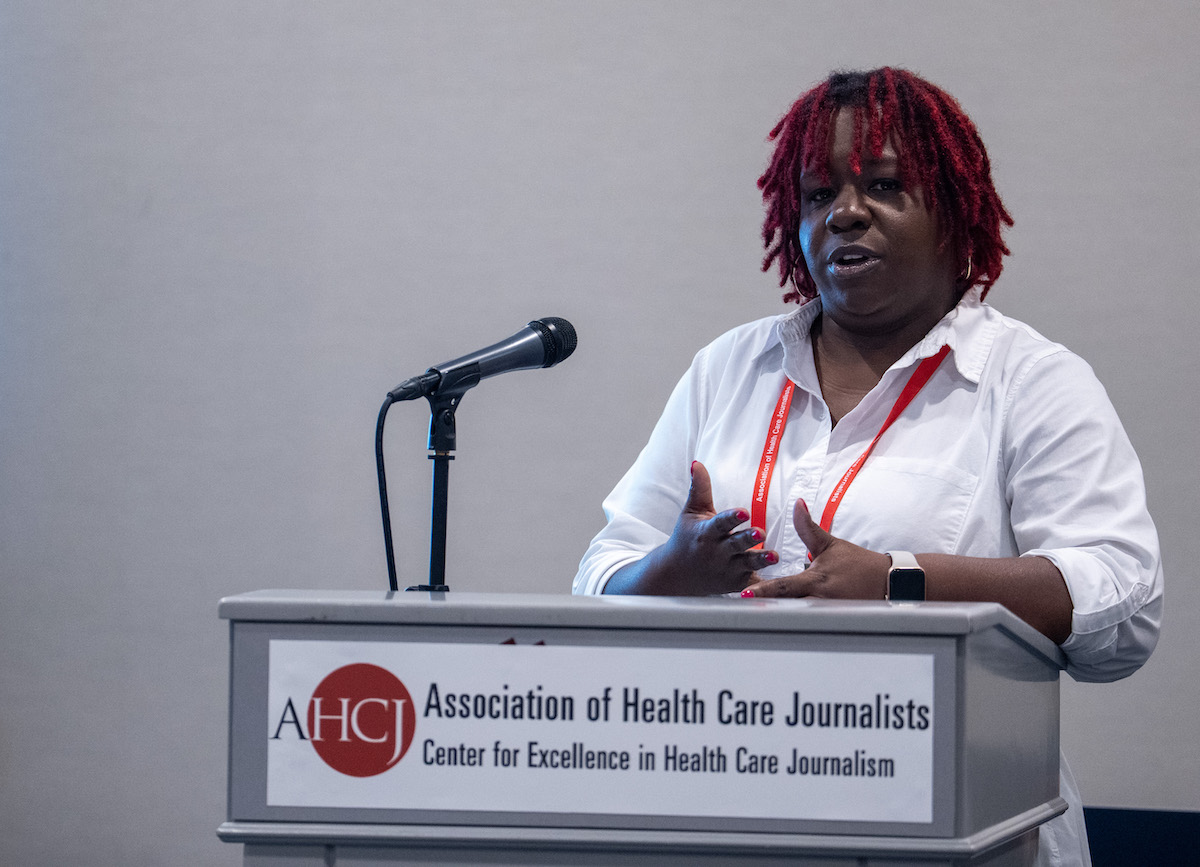
One of those states is Oklahoma where panelist Ashlee Wilson is a doula with the Oklahoma Birth Equity Initiative, an organization working to reduce maternal health disparities with doulas.
When hospitals and maternity wards close, moms and pregnant people have to drive further and are more likely to miss prenatal care as a result, Wilson said.
Kristen Hwang is a health reporter with CalMatters.