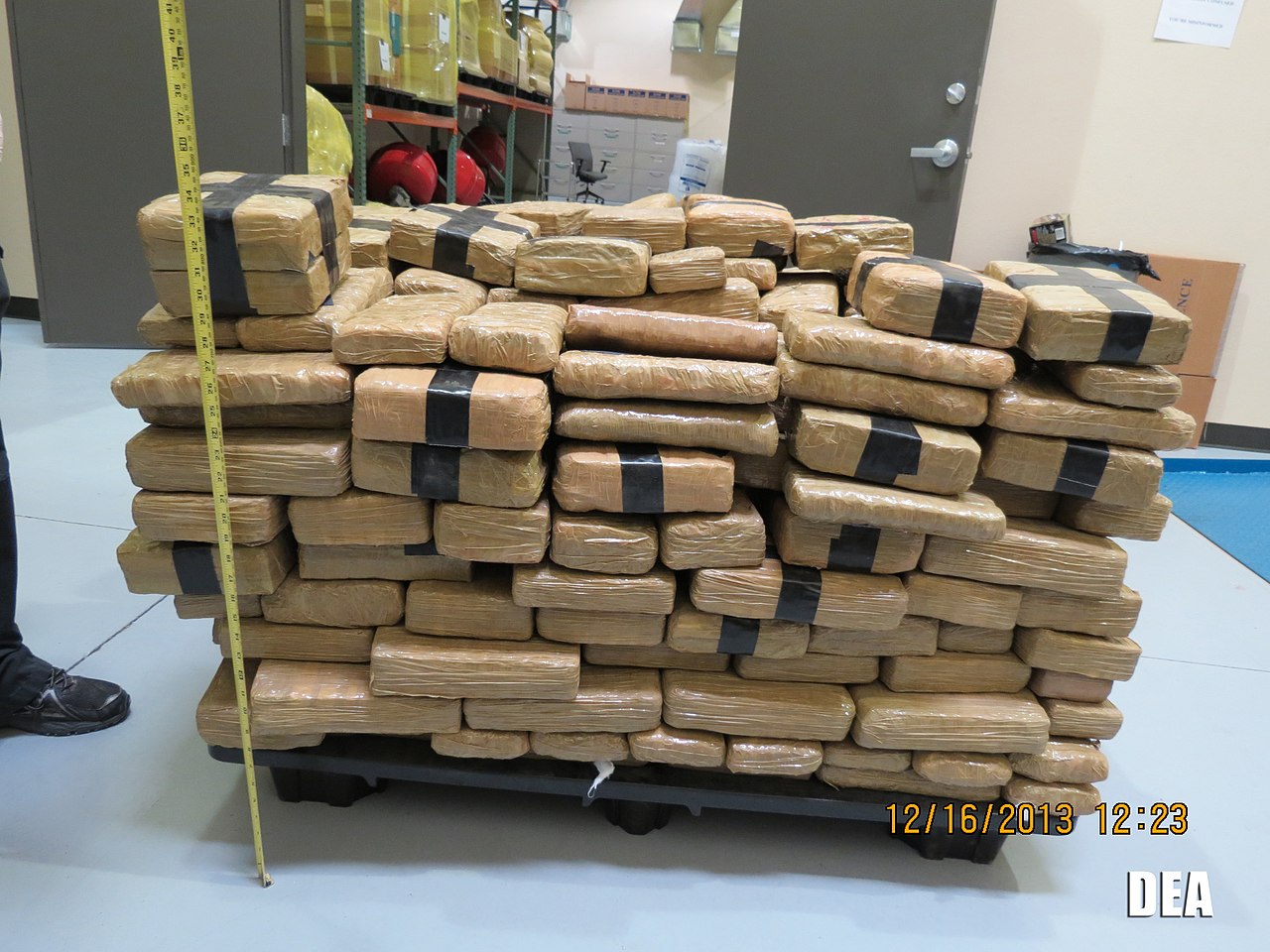
Each day, headlines highlight large-scale drug raids, accompanied by photos of seized contraband and statements from law enforcement heralding the success of their efforts. However, a recent study published in the journal Public Health in Practice suggests that this coverage overwhelmingly neglects a crucial element: public health messaging.
Only 1% of the 211 drug seizure-related articles analyzed included any mention of substance use disorder treatment or recovery resources, the study found. Given the rising overdose crisis and the documented harms of punitive drug enforcement, should journalists be doing more?
Researchers at Northeastern University and RTI International found that media coverage of drug seizures primarily amplifies law enforcement narratives. The articles they analyzed rarely explored the broader consequences of these operations—such as the well-documented “drug bust paradox,” in which overdose deaths in surrounding communities increase following a seizure. This paradox arises because supply disruptions push people who use drugs toward unfamiliar and potentially more dangerous sources, which then exacerbates overdose risks.
Despite the severity of this issue, news stories often don’t provide even basic harm reduction information. Unlike other crisis-related reporting — such as articles on suicide, which frequently include helpline numbers and mental health resources — drug enforcement coverage lacks parallel efforts to connect affected people with support systems. This is a glaring omission given that substance use disorder is a treatable medical condition, not just a criminal justice issue.
Practical steps for journalists
To provide more comprehensive and responsible coverage of drug raids, news organizations could make it a standard practice to list helpline numbers, websites, and local treatment facilities in drug-related stories, just as they do for suicide prevention hotlines.
Rather than relying solely on law enforcement narratives, journalists could also seek perspectives from public health experts, harm reduction advocates, and individuals with lived experience of substance use. Including these voices can provide a fuller picture of the impact of drug raids beyond the immediate law enforcement perspective.
And, instead of presenting drug seizures purely as victories against crime, coverage could explore their potential consequences, such as increased overdose rates and the broader public health implications of disrupting drug supplies. This shift in framing can help the public better understand the complex realities of drug enforcement policies.
Fear-based reporting, including exaggerated claims about the number of lives “saved” by a single seizure, also contributes to misinformation and may inadvertently justify ineffective policies. Treating drug seizures as isolated wins rather than as events with significant public health consequences can perpetuate narratives that obscure the realities of the overdose crisis. But by integrating harm reduction strategies into our reporting, we can help connect our audience with the resources some of them may need.
In a time when over 100,000 Americans die from drug overdoses annually, journalism could do more than just document law enforcement efforts. It could also serve as a conduit for lifesaving information. Just as the industry has adapted to better report on mental health crises, it is time to recognize that substance use disorder coverage deserves the same level of care and responsibility.