
It’s exhausting and disheartening to work as a journalist these days, dutifully reporting the facts only to see accurate reporting engulfed and overwhelmed by misinformation and disinformation — especially on social media. The consequences are dire — for example, declining vaccination rates and a growing number of measles outbreaks.
While there is no simple solution to the misinformation epidemic, the situation isn’t hopeless, and journalists still play a vital role in conveying accurate, nuanced information about health. In this webinar, you’ll hear from Stephan Lewandowsky, a cognitive scientist at the University of Bristol and one of the lead original authors of “The Debunking Handbook,” as he talks about how misinformation spreads, why people cling to it — rejecting accurate information — and what he thinks journalists can do to help address this crisis.
Resources
- Ellen Kuwana, science communications expert.
- Toolbox of individual-level interventions against online misinformation — Nature.
- Stephan Lewandowsky’s website.
- Calling Bullshit: Data Reasoning in a Digital World (syllabus).
- Climate scientist Katharine Hayhoe’s website.
- Motivational Interviewing: An Evidence-Based Approach for Use in Medical Practice — Deutsches Ärzteblatt.
- MI 101: Motivational Interviewing for Vaccine Hesitancy (free online course).
- Voices for Vaccines.
- Archivists Recreate Pre-Trump CDC Website, Are Hosting It in Europe — 404 Media.
- Government Information Data Rescue — American University in Washington, D.C.
- Health Data Preservation Project — AHCJ.
- Let’s Talk Shots — Johns Hopkins Bloomberg School of Public Health.
- A history of FLICC: The 5 techniques of science denial — Skeptical Science.

Tara Haelle
AHCJ Health Beat Leader for Infectious Diseases
Tara Haelle is an independent science/health journalist, author, speaker, and photographer. Her work has appeared in the National Geographic, Scientific American, Texas Monthly, Science News, Medscape/WebMD, The New York Times, Wired, and O Magazine, among others.
She specializes in public health and medical research, particularly vaccines, infectious disease, maternal and pediatric health, mental health, healthcare disparities, and misinformation. She also covers medical research conferences and edits Long COVID Connection on Medium. Haelle earned a master’s in photojournalism from the University of Texas at Austin, and her images have appeared in Texas Monthly, NPR, the, Chicago Sun-Times and elsewhere.
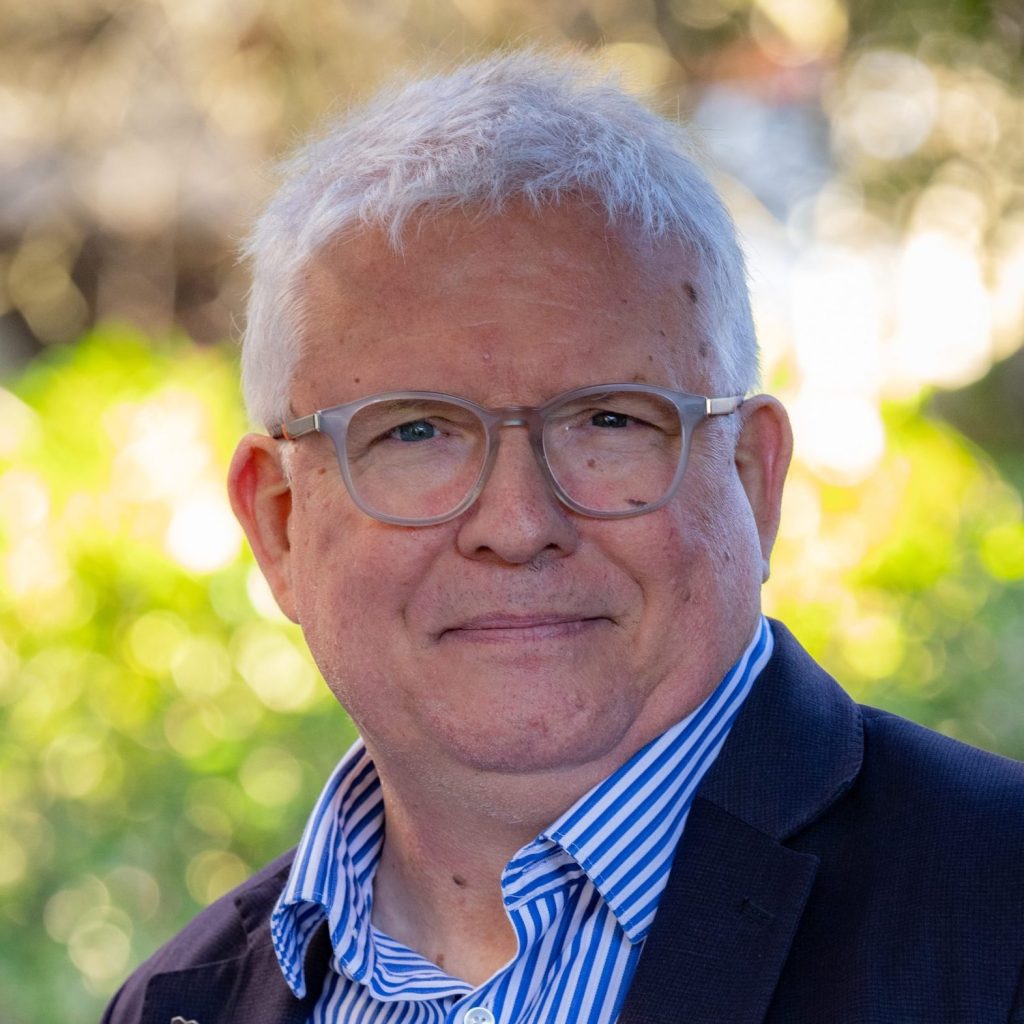
Stephan Lewandowsky, Ph.D.
Chair of Cognitive Science, University of Bristol
Professor Stephan Lewandowsky, Ph.D., is a cognitive scientist at the University of Bristol whose research examines the consequences of the clash between social media architectures and human cognition, such as countermeasures to the persistence of misinformation and the spread of “fake news” in society, and how platform algorithms may contribute to the prevalence of misinformation.
He also studies the factors that determine whether or not people accept scientific evidence. He has received a range of prestigious research awards across multiple continents and has published more than 200 peer-reviewed articles since 2000. He also authored a report on Technology and Democracy in 2020 that has helped shape EU digital legislation.