When you’re absorbed in the day-to-day of freelance writing — scrambling to find sources, meet deadlines and chase down payments — it can be hard to see the journalism forest for the trees.
But as those figurative trees continue to change shape if not get totally plowed down, it’s a relief to know some people are taking in, and working hard to improve, the landscape.
I’m talking about the Tiny News Collective, a nonprofit that provides “the tools, resources and community of learning to help people build sustainable news organizations that reflect and serve their communities,” its website says. Members, who are often in the process of launching a hyper-local paper or community-based website, pay a small fee and go through an application process to join.
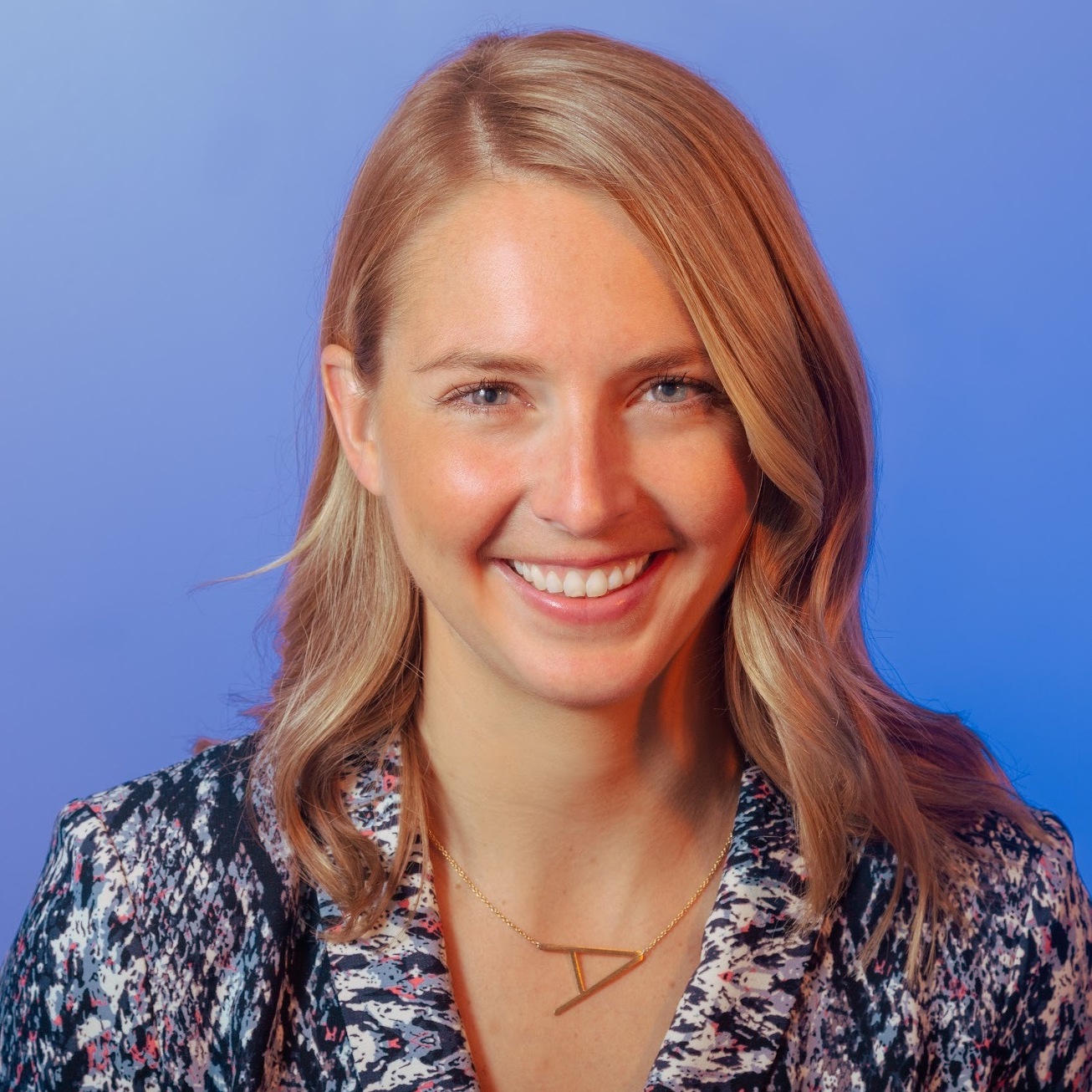
I talked to Andrea Faye Hart, the membership director, about the organization’s work and how AHCJ members might get inspired or involved.
This conversation has been edited for clarity and brevity.
How would you describe the Tiny News Collective?
We’ve been around since 2020 with this specific mission to support early-stage, pre-launch or just-launched indie publishers. It’s a way of addressing information gaps across the country — both current ones and ones that have existed for a really long time. We lower the barriers of media ownership and media entrepreneurship by trying to make the tech, legal and financial resources more accessible.
Then, we cultivate a community of founders who not only get support from Tiny News, but they get support from one another because they are either working in a similar geography, serving similar communities or topic areas, or have shared identities.
What are some more specific benefits of joining the collective?
Some members aren’t sure what kind of business entity they want to be — an LLC or nonprofit, for example — so we may coach them on that. All members also get access to monthly expertise trainings on things like how to run an end-of-year fundraising campaign, how to grow your newsletter, how to do your first strategic plan.
People in our “publisher” membership tier also get access to a free CMS, Ghost, which we work with because it’s a mission-aligned organization invested in small, indie publishers. If members have issues on their news site, Ghost basically functions as tech support. They also give rights to the publisher, so if you leave their platform, your work goes with you.
“Publisher” members also get Canva Pro, personalized coaching sessions from guest experts and Lawyers for Reporters services for free. All of TNC’s members can be fiscally sponsored by us, something that can help them as they discern which business model to pursue or await processing their 501c3 paperwork.
Who are these members?
Our founders are a range of either former journalists who don’t like the status quo, they don’t feel like their community is being covered well or there’s been a closure of a local newspaper and so they want to start something for their community. Or, they have no journalism background and are a concerned community member who really wants to start an outlet because there’s not good access to information.
Can you share a few success stories?
Harvey, a town that’s just south of Chicago, hadn’t had a local paper in decades. There were a lot of things happening in government that were going underreported. So, one of our members, Amethyst Davis, started the Harvey World Herald. She was able to attend a city council meeting where the mayor removed the entire audience from the chambers, and those kinds of things would have otherwise gone unreported. The underreporting of local government ongoings is a pretty common narrative among our members.
Another member, Amy Bushatz, started the Mat-Su Sentinel in Alaska — a very different geography, but very similar story. There wasn’t a quality newspaper, elections were going under-covered, which impacted voter turnout. Amy launched this past summer. She was going to launch much later, but there was a controversial book ban going through a local school library system, so she launched early because of that story.
We’ve also created geographic partnerships. For example, we’ve worked with the Wichita Foundation for the last year (and recently renewed that partnership) because they’ve noticed a dearth of indie publications run by women and people of color in Wichita. They worked with us to run an information challenge. We helped find three outlets to launch.
One of them is an arts outlet, The Shout, that launched with a public arts calendar because it was really hard to find where to go to openings or find new artists in the community. They’re tired of seeing artists leaving Wichita, and hope their outlet encourages investing in the ecosystem. They’ve been inspired by another member of ours, The Art Rebellion, and their The Artist Pay Project, which explores how artists “survive and thrive” given the cost of living, and hope to do other stories about artists’ pay.
How are these news organizations funded?
It’s quite a wide mix, and that’s what really excites me about our members: They’re providing necessary experiments and examples across the industry. They’re debunking a one-size-fits-all solution to the issues in journalism and sustaining journalism.
Some [organizations] do ads, some get donations, some get sponsorships, some have figured out ways of doing side work. For example, Planeta Venus in Wichita is a Spanish-language outlet. Part of what Claudia Amaro, the founder, does is Spanish translations for civically-aligned organizations as a form of income for the outlet.
What makes someone a good candidate for membership?
This is what we encourage of anybody who applies to be a member: Make sure you know the community you want to serve, you assess their needs and you know that what you’re going to provide is filling a gap.
If you feel really motivated by serving a community, there are stories that need to be told that aren’t being told and you’re interested in transforming the journalism industry, you’re probably going to be a right fit for us as a member.
Media entrepreneurship is hard. It’s a lot of work. It’s not for everyone. So you have to have a very clear vision, mission, impact and drive for it, and desire and interest to stretch yourself.
If you only have been a journalist, there’s a lot of transferable skills, but you have to be willing to move from being a founder to being a leader. Lots of folks are ideas people, but not everybody can then take that idea and say, “This is how we’re gonna get income. This is the structure of the thing. This is how I know my stories are actually impacting the community that I’m trying to serve.”
Do your member news organizations use freelancers?
A lot of our members are one to two years old, and so they use mostly freelancers. Once they hit the four-year mark, they may have a staff person who’s probably doing a combination of roles.
As our membership has grown from 17 to 53 throughout 2024, we’re trying to figure out how member publications can collaborate editorially whether they share content, or identify content that they want to outsource collectively, maybe by hiring a freelancer who can publish on multiple sites. So: Is there a story that a freelancer does that they want to pitch to multiple sites at once, but each will have its own local, smaller audience? It might be a national thing that has local implications.
Plus, if early-career freelancers want to pitch a story idea to one of our outlets, it could be a way that they work up to eventually pitching national publications.
What else do you want AHCJ members to know?
If folks are curious about entrepreneurship, it excites them, they have an idea, they’re welcome to email me to schedule some one-on-one time even before they apply to see if they want to apply or even to just spitball an idea with me. We’re genuinely interested in seeing people succeed as entrepreneurs and have a material impact on their communities. Sometimes success also includes helping members decide they want to do something else.
Andrea can be reached at andrea@tinynewsco.org.