
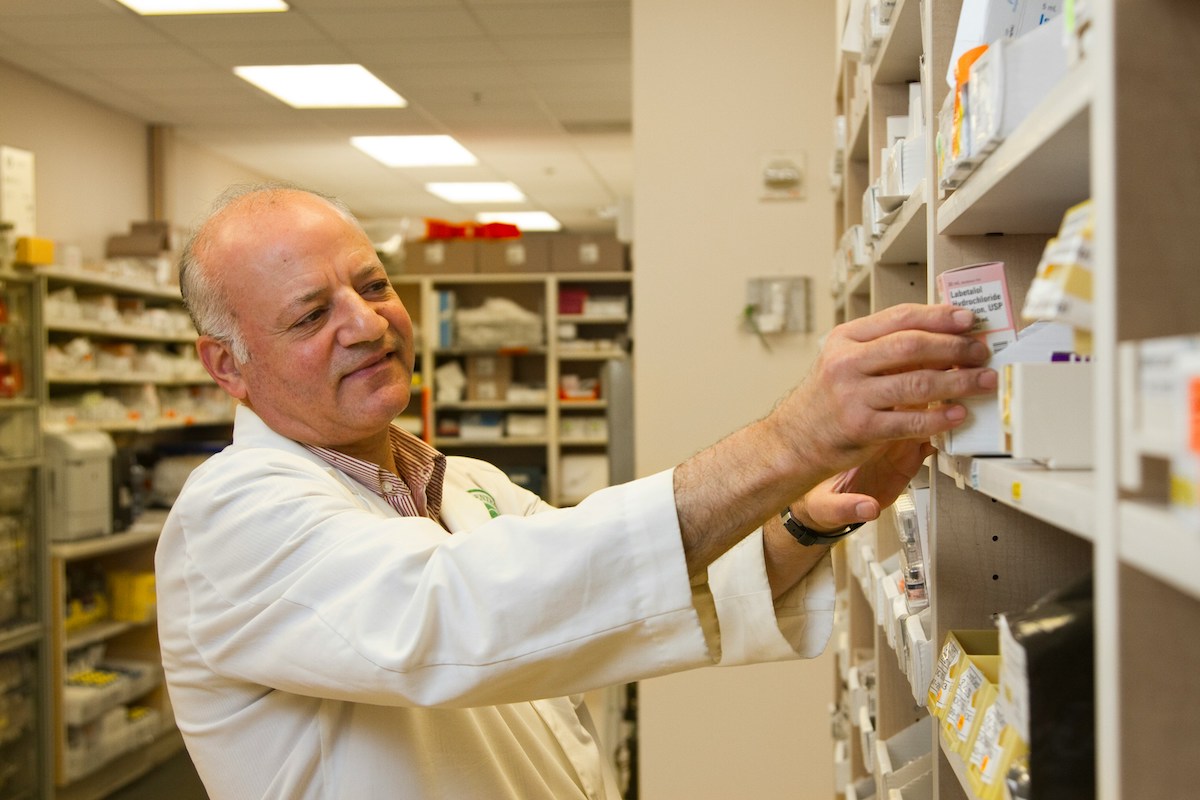
Walgreens is now conducting a COVID-19 vaccine study at 20 locations across eight states, aiming to recruit 3,600 participants as part of a partnership with the U.S. government that will allow retail pharmacies to conduct clinical trials.
Traditionally, these studies happen at academic centers, which can feel distant or inaccessible for many. The recent shift to community settings like local pharmacies and clinics began nearly a decade ago, but became especially critical during the COVID-19 pandemic, when pressing research would have halted without the ability to conduct trials remotely. The FDA and Biomedical Advanced Research and Development Authority (BARDA) support these decentralized trials — which are designed to be more inclusive, accessible and more representative of the population.
For health journalists, this story is packed with angles to cover. There’s the human side — stories of people who can now access trials they couldn’t before — and the systemic implications for health care and equity. Covering this evolution with sensitivity and rigor can help demystify decentralized trials, hold stakeholders accountable, and show how science is trying to meet people where they are.
Addressing diversity gaps
Diversity has been a persistent issue in clinical trials, with minority groups often underrepresented. For example, while Black Americans made up 14% of the U.S. population in 2020, they only represented 8% of clinical trial participants for new drugs. This gap has real consequences — treatments might not work as well for everyone because they haven’t been tested on everyone. Pharmacies, with their widespread reach, offer a chance to recruit participants who mirror the communities they serve, whether they live in rural areas or urban centers. By decentralizing trials, researchers hope to overcome traditional barriers like transportation and recruitment gaps that have long hindered participation from diverse groups.
But it’s not without its challenges. Trust, for example, is a big one. People unfamiliar with clinical research might be reluctant to participate, especially when data privacy is a concern. Clear communication about how personal information will be protected and how the research benefits everyone is crucial. Training is another issue. Pharmacies stepping into this role need to ensure they’re equipped to collect accurate, reliable data without overburdening staff.
Studies suggest that, despite their many advantages, decentralized trials also need to safeguard against unique risks. Disparities in digital access can keep some people from accessing informed consent forms, report adverse events or use apps or wearables needed to participate in a study.
Only a fraction of the nation’s population currently participates in trials — an important hurdle to address, according to Ramita Tandon, chief clinical trials officer at Walgreens.
“Clinical research should be viewed as an extension of care,” Tandon said. “A possibility or hope for patients who are on a variety of treatments and aren’t seeing healthy outcomes.”
Story approaches
This is a moment where innovation meets inclusion, and these stories are worth following closely:
As these partnerships develop, it’s important to track and report on the success metrics of these trials, such as participant diversity, retention rates and cost efficiency. This work has the potential to bridge gaps in health care equity and bring science closer to the communities it serves. However, achieving this potential depends on transparent reporting, elevating underrepresented voices, and fostering meaningful public dialogue about the transformation of clinical trials.