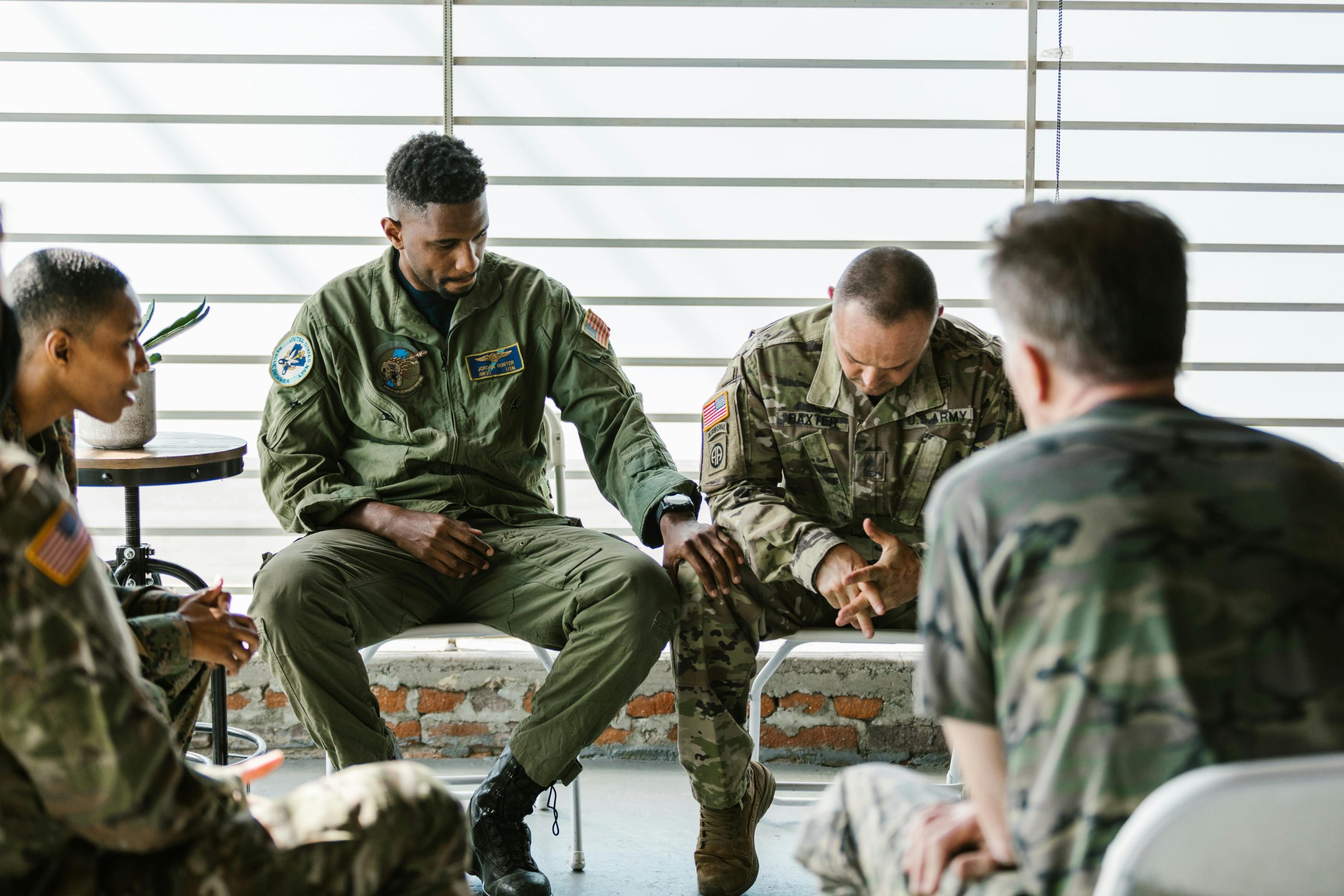
Veteran suicide is a multifaceted issue that defies simple explanations or quick solutions. While many news stories focus on combat exposure as the primary risk factor, the reality is far more complex.
Journalists have a responsibility to dig deeper, challenging preconceptions and exploring the multitude of factors that contribute to suicide risk among veterans and service members.
A glance at the data
Despite fewer and shorter combat deployments, suicide rates among U.S. military personnel and veterans remain alarmingly high. U.S. Veterans Affairs estimated that as many as 44 veterans took their own lives each day in 2021, marking an 11.6% increase compared to 2020, and a sharp increase from the often publicly cited data. Many veterans health advocates say the updated number may still be underestimating the crisis. The data points are limited to the ruled cause of death, which can be difficult to determine is some cases of suicide. The data also may not reflect some service members whose causes of death are not reported to the agency since they may not have been on duty status during their deaths.
And recent data from the Department of Veterans Affairs shows that the majority of service members who die by suicide have not recently deployed or never deployed at all. This paradox invites deeper exploration into the multifaceted nature of suicide risk factors that extend beyond combat exposure, and consider other significant risk factors: transition stress, financial instability, social isolation, and access to health care, or even entering service already having one or more mental health conditions.
Dig deeper
By broadening the scope of reporting, we can help the public understand that veteran suicide is not just a military issue, but a complex public health challenge that intersects with civilian life in numerous ways. Suicide rates in the National Guard — the closest to civilian military force — have, for years, exceeded suicide rates among their active duty counterparts and other reservists.
The National Guard faces unique challenges contributing to their heightened suicide risk. Limited access to health care services due to cost and availability of TRICARE providers and `infrequent interactions with military colleagues fostering feelings of isolation, are significant risk factors. I examined these complexities within the National Guard deeply in a 3-part series for The War Horse.
Financial stress is another critical element in increasing suicide risk. Research indicates that unemployment and income insecurity may be associated with as many as 20% of Army National Guard suicides. Recent stressors also play a significant role. Issues such as relationship problems, military punishment, and feelings of failure or humiliation can dramatically elevate the risk. Mental health conditions like depression, PTSD, and substance use disorders are also prevalent among those who serve. Access to firearms is another critical factor; studies indicate that over 68% of Army National Guard members report owning a firearm.
Responsible coverage
Responsible reporting on this topic requires a commitment to accuracy, context and sensitivity. It also means seeking out evidence-based prevention strategies, amplifying the voices of veterans themselves, and consulting with mental health professionals to ensure a well-rounded perspective. By doing so, journalists can contribute to a more nuanced public discourse that moves beyond stereotypes and supports meaningful action to address this critical issue.
When reporting on veteran suicide prevention, journalists can responsibly highlight several evidence-based initiatives and treatments that are showing promise in curbing suicide rates. CBS Evening News recently aired an excellent piece about a Louisiana gun shop owner and Army veteran who stores firearms for comrades in crisis at his shop. 71% of veteran suicides involve firearms, and it is the most lethal means of suicide death.
Here are a few more prevention and solutions-focused initiatives:
- Together With Veterans is an initiative funded by the VA Office of Rural Health aimed at reducing suicide rates among rural veterans. This community-based program leverages veterans to help fellow veterans build mental health resilience. Early results from pilot sites in Montana and North Carolina have been encouraging, with thousands of positive community encounters related to suicide prevention recorded.
- The Wingman-Connect program, developed for the U.S. Air Force, focuses on building team cohesion and support networks among service members. Research has shown that participants in this program experienced fewer suicidal thoughts, depression symptoms, and occupational problems compared to those who received only stress-management training.
- VA’s ReachVet program uses statistical algorithms to identify veterans at high risk of suicide who might otherwise be missed. This proactive approach allows VA facilities to alert healthcare providers about at-risk patients.
The Caring Contacts program, which involves sending brief, personal follow-up messages to patients after they receive care, has been linked to decreased suicide attempts. VA is expanding this program based on promising evidence of its effectiveness during the COVID-19 pandemic.
Treatments and initiatives
In terms of evidence-based treatments, Cognitive Behavioral Therapy (CBT), Cognitive Processing Therapy (CPT), and Dialectical Behavioral Therapy (DBT) have shown effectiveness in treating suicide-related thoughts and behaviors. These therapies help veterans understand and modify their thought patterns, develop coping strategies, and improve interpersonal skills.
When reporting on these initiatives and treatments, journalists should:
- Provide context on how these programs work and their potential impact on suicide prevention.
- Include voices of veterans who have benefited from these programs, while respecting any privacy concerns.
- Discuss the challenges in implementing and scaling these programs, as well as ongoing research efforts to improve their effectiveness.
- Highlight the importance of early intervention and the role of community support in suicide prevention.
- Include information on how veterans can access these programs and treatments.
- Avoid sensationalizing individual cases and instead focus on the broader efforts to address this issue.
- Consult with mental health professionals, researchers and even military advocacy groups to ensure accurate representation of the complexities involved in suicide prevention.
By approaching veteran suicide reporting with sensitivity and depth, journalists can contribute significantly to public understanding and potentially aid in prevention efforts. This is not just about statistics; it’s about real lives affected by complex challenges that deserve thoughtful exploration and compassionate storytelling.