


This daylong virtual workshop featured a variety of talks, presentations and conversation about some of the biggest challenges in rural health. We unpacked the nuances of the rural hospital closures crisis; innovative solutions to health care workforce shortages; the national picture of reproductive health care access; what happened to all that opioid settlement money; and had a candid conversation about what people still get wrong about rural America (and why it matters).
Scroll down to view summaries and recordings of each session.
Sessions
What people get wrong about rural
During this opening session, moderated by KFF News Chief Rural Health Correspondent Sarah Jane Tribble, political scientist Kristin Lunz Trujillo, Ph.D., talked about rural identity and explained why it’s often associated with a mistrust of public health and scientific “elites.”
Rural identity, Trujillo said, is a psychological attachment to being from a rural area. People with this identity are often proud of being from a rural place. Books like the recent New York Times bestseller “White Rural Rage” reinforce stereotypes by focusing on white, more conservative, angry rural Americans, a population that often gets too much emphasis in the news. According to recent research, only a minority of rural Americans fit the stereotype of the angry rural person, Trujillo pointed out.
Rural identity does not just impact politics but also affects health care accessibility. Surprisingly, rural people tend to have more health care access than those disconnected from their communities, she said. And people with rural identity tend to get vaccinated more, Trujillo said. They know where to go and which providers to see, she added.
Trujillo had some advice for journalists covering rural America: She urged reporters to be more open-minded and offered the following tips for improving coverage.
- Don’t oversimplify or overly characterize rural Americans politically.
- Diversify sources. Coverage of Rural America in the media often amplifies white voices, with Native American, Latino and Black communities often left out of crucial discussions.
- Bridge the gap by highlighting commonalities between rural and urban people, she said.

Sarah Jane Tribble
Chief rural health correspondent, KFF Health News
Sarah Jane Tribble, senior correspondent, is the lead reporter on the rural health desk of KFF Health News. She created the organization’s first narrative podcast, “Where It Hurts,” about the closure of a rural Kansas hospital. An Emmy winner, she has received honors for her work from the National Press Club, the National Institute for Health Care Management and the Association of Health Care Journalists. Before joining KFF Health News, she covered the health care industry in Cleveland for NPR and PBS, and spent more than a decade as a reporter for major newspapers from the Carolinas to California.
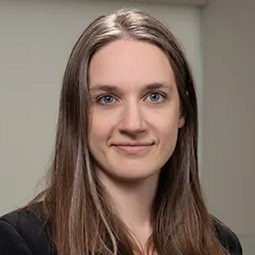
Kristin Lunz Trujillo, Ph.D.
Assistant professor, University of South Carolina
Kristin Lunz Trujillo uses political psychology to explore mass political behavior, especially the urban-rural divide, trust and health attitudes. Her work has been funded by the National Science Foundation and she has over two dozen published articles. Trujillo’s research has won several awards and has appeared in various media outlets, including The New York Times, Newsweek, Forbes, John Oliver’s Last Week Tonight, Time, US News and World Report, and more. Before coming to the University of South Carolina, Trujillo was a researcher at the Harvard Kennedy School and Northeastern University. She received a doctorate in political science at the University of Minnesota in 2021.
Are more rural hospital closures inevitable?
In this session, George H. Pink, Ph.D., shared findings from his academic research to help explain the wave of rural hospital closures over the past 20 years.
The reasons for closures fall into two main buckets, he said: financial challenges and patient-related issues, like going elsewhere for medical care. However, when analyzing news media articles, Pink and his colleagues were surprised to discover the reason for a hospital closing was different in every town.
“Closures are a very complicated phenomenon, and no two towns are the same,” Pink said.
Nebraska hospital CEO/CFO Jared Chaffin cited Medicare Advantage as another contributor to rural hospital closures. “They are doing everything they can to deny claims,” he said.
Some rural hospitals, like Chaffin’s, have converted to the relatively new rural health emergency model to stay afloat. Congress established the model in 2021 through the Consolidated Appropriations Act of 2021 “to reinforce access to outpatient medical services and reduce health disparities in areas that may not be able to sustain a full-service hospital.”
When Chaffin’s hospital was hours from closing its doors, he and most of the community decided to convert the critical access hospital, which provided inpatient care, to a rural emergency hospital offering only outpatient care.
Since making the switch in January, the hospital has reduced its debt significantly, Chaffin said. But many hospitals are hesitant to convert to the emergency model for fear of losing inpatient care, swing beds and cost reimbursement, he explained. Pink added that losing 340B revenue “is keeping a lot of hospitals from jumping into the REH model … Many critical access hospitals, in particular, need that money to break even.”
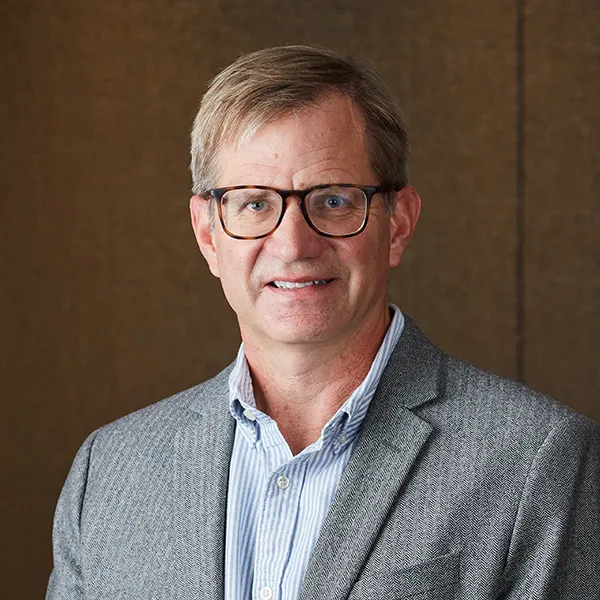
Tony Leys
Rural editor/Correspondent, KFF Health News
Tony Leys is based in Des Moines, Iowa, where he worked 33 years as a reporter and editor for The Des Moines Register. Leys was the Register’s lead health care reporter for more than 20 years and served four terms as a board member for the Association of Health Care Journalists. He is an alum of the University of Wisconsin-Madison and the Knight Science Journalism program at MIT.
George H. Pink, Ph.D.
Research Professor, UNC Chapel Hill
George H. Pink is Research Professor in the Department of Health Policy and Management, senior research fellow at the Cecil G. Sheps Center for Health Services Research, and deputy director of the North Carolina Rural Health Research Program, all at the University of North Carolina at Chapel Hill.
Dr. Pink is involved in several research projects, including the Rapid Response to Requests for Rural Data Analysis and Issue-specific Rural Research Studies, Rural Health Research Grant Program, and the Rural Hospital Flexibility Program Evaluation, all funded by the federal Office of Rural Health Policy.

Jared Chaffin
CEO & CFO, Friend Community Healthcare System
Jared Chaffin is a licensed CPA based in reside in Lincoln, Neb with 14 years of experience in health care. He worked with Ernst & Young and KPMG for the first 11 years of his career as an auditor, specializing in large acute care and rehabilitation hospital systems, rural acute care hospitals, nursing homes, pharmaceuticals and health care technology.
Since leaving public accounting, Chaffin has worked for HCA Healthcare, serving as the assistant chief financial officer for two large hospitals and is now the chief executive and financial officer for Friend Community Healthcare System.
Developing a rural health care workforce
Physician and nurse shortages significantly impact the health of residents in rural communities. During this session, panelists agreed that creating more accessible rural residency programs is the antidote. They also spotlighted initiatives and innovative solutions for recruiting and retaining medical professionals in Rural America.
Health care professionals born and/or trained in rural communities are more likely to practice there, thus helping to fill critical gaps in care. While broad data has shown an appetite for these programs, more action to address faculty recruitment and financial challenges is needed, said Emily Hawes, Pharm.D.
Chamberlain University’s College of Nursing, for example, has expanded its online prelicensure program to make entry-level nursing education more accessible to rural residents, said Janelle Sokolowich, Ph.D. “It allows us an opportunity to serve that community and to keep those nurses in their community … Our goal is to make sure that we’re creating right-now health professionals.”
Brian Hodge, D.O., also emphasized the importance of place-based training for tackling the physician shortage in rural communities. “As we educate people in a place-based manner, in rural areas, I think they will not only be drawn to some of the strengths of rural communities, but they can be a part of actually bringing new solutions to the table and reimagining what the potential is,” Hodge said.
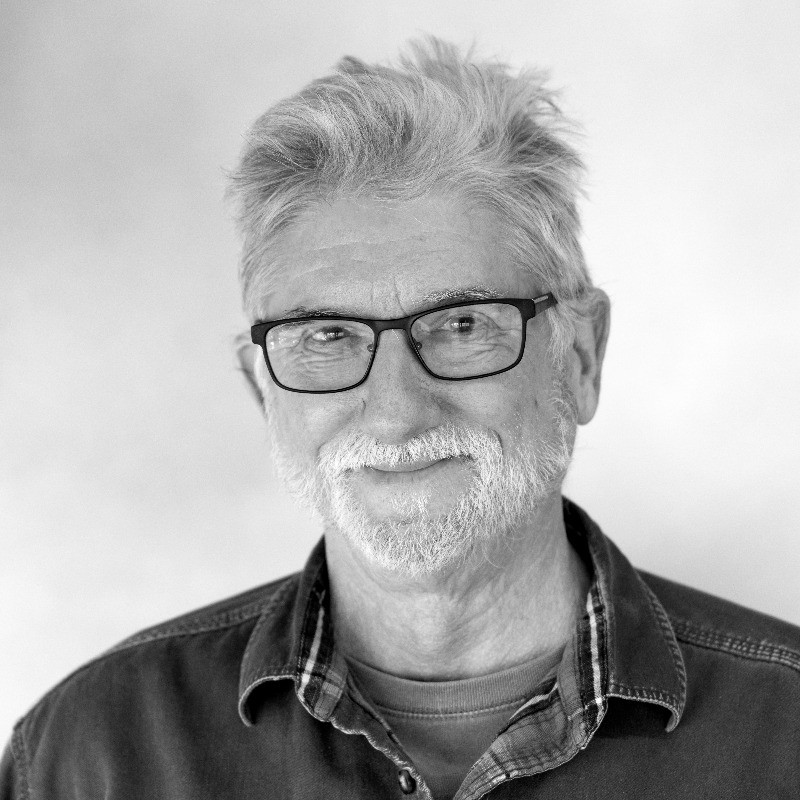
Taylor Sisk
Independent journalist
Taylor Sisk is a Nashville-based health care reporter whose work is primarily focused on how practices and policies affect people’s lives. His articles have appeared in 100 Days in Appalachia, The Daily Yonder, the Economic Hardship Reporting Project, HuffPost, KFF Health News, Mother Jones and National Geographic.
Emily Hawes, Pharm.D.
Professor, University of North Carolina
Dr. Emily M. Hawes is a professor in the University of North Carolina’s Department of Family Medicine. She serves as deputy director of the HRSA-funded Rural Residency and Teaching Health Center Planning and Development programs. She practices as a clinical pharmacist practitioner providing collaborative drug therapy management in a family medicine clinic in rural North Carolina. Hawes’ research focuses on team-based primary care, health workforce policy, rural health, and graduate medical education program development in rural and underserved areas.
Bryan Hodge, D.O.
Chief Academic Officer, Mountain Area Health Education Center
Dr. Bryan Hodge works each day to ensure MAHEC is making a positive difference in the community. As chair of the Department of Community and Public Health at UNC Health Sciences at MAHEC, Hodge leads initiatives to expand community outreach, build pathways that support equitable access to health careers, and train public health leaders through the school of public health. A former National Health Service Corps Scholar, he has committed his career to providing high-quality relational care and serving his community. He continues to practice and teach family medicine with the Hendersonville Rural Family Medicine Residency Program. Hodge’s special interests include creating new models of care delivery, rural workforce development, and interdisciplinary health professions training. He believes that community health transformation requires a strong commitment to community engagement, collaboration, and innovation.
Hodge is a clinical assistant professor in the Department of Family Medicine at the UNC School of Medicine in Chapel Hill. He helps residency programs across the country achieve educational and clinical excellence through his role as a Residency Practice Solutions consultant for the American Academy of Family Practice.
Janelle Sokolowich, Ph.D., M.S.N./Ed., R.N.
Associate provost – social mission, Chamberlain University
Janelle Sokolowich is an accomplished visionary academic leader. She has been an academic leader for over a decade, having held various roles, including academic vice president, dean of nursing, dean of academic operations and faculty.
Dr. Sokolowich serves as the associate provost for the social mission at Chamberlain University and is responsible for leading Chamberlain University’s contribution to its mission through all faculty, degree programs, curriculum, and instructional methodologies at the undergraduate and graduate levels in addition to all other elements of the student experience including enrollment and student support. Sokolowich provides oversight to the university’s Center for Faculty Excellence, and holds social determinants of learning curriculum and student experience administrative responsibilities of all university programs and courses to advance the performance of its faculty and graduates in enhancing health equity, addressing health disparities and eliminating racism in healthcare in the U.S.
What rural America can teach the rest of the country about reproductive health care access
When rural hospitals struggle financially, obstetric services are often the first to close. During this session, Julia Interrante, Ph.D., said fixed costs, low birth volume, payment based on birth volume and staffing challenges are often to blame. She also highlighted the risks associated with these closures:
- Slightly higher rates of preterm births.
- Higher rates of out-of-hospital births.
- Increased births in hospital emergency rooms or other places without obstetric services.
- Increased NICU admissions due to traveling longer distances.
Adrian Billings, M.D., a full spectrum family medicine physician in Alpine, a small town in West Texas, said the absence of obstetric services impacts preconception, prenatal and postpartum care. Conditions like gestational diabetes or pre-cervical cancer can be missed when patients are unable to follow up with their providers.
Finally, both panelists emphasized journalists’ significant role in telling stories that highlight patient challenges and hard-working physicians’ determination to provide care in under-resourced areas.
Billings had a shout-out for reporters: “You are part of our health care team. We need you to be involved. You are the megaphones that can amplify our patients’ struggles and give voice to those patients who don’t have a voice.”
Interrante encouraged journalists to consider covering these two uncovered topics:
- Black communities that haven’t had obstetric services for years.
- Access to obstetric services in tribal and indigenous communities, including the impact of traveling outside of the community for care.
Eleanor Klibanoff
Women’s health reporter, The Texas Tribune
Eleanor Klibanoff, based in Austin, Texas, covers abortion, maternal health care, gender-based violence and LGBTQ issues, among other topics. She started with The Texas Tribune in 2021, and was previously with the Kentucky Center for Investigative Reporting in Louisville, where she reported, produced and hosted the Peabody-nominated podcast, “Dig.”
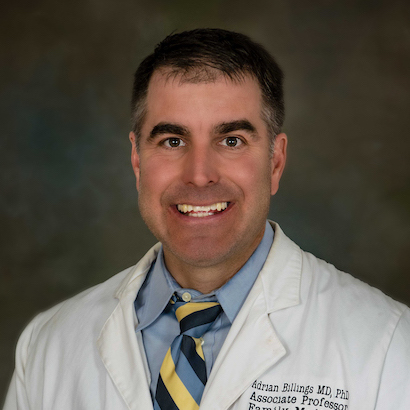
Adrian Billings, M.D., Ph.D.
Chief Medical Officer, Preventative Care Health Services
Adrian Billings is a rural family medicine physician in west Texas along the Texas-Mexico border. A former National Health Service Corps Scholar, Billings serves as the chief medical officer of Preventative Care Health Services, a federally qualified health center in Alpine, Marfa, and Presidio, Texas. He is also the founding site program director of the Alpine Rural Family Medicine Residency Program for Texas Tech University Health Sciences Center and is a senior fellow of health equity with the Atlantic Fellows Program. Billings was named the 2021 Texas Family Physician of the Year by the Texas Academy of Family Physicians.
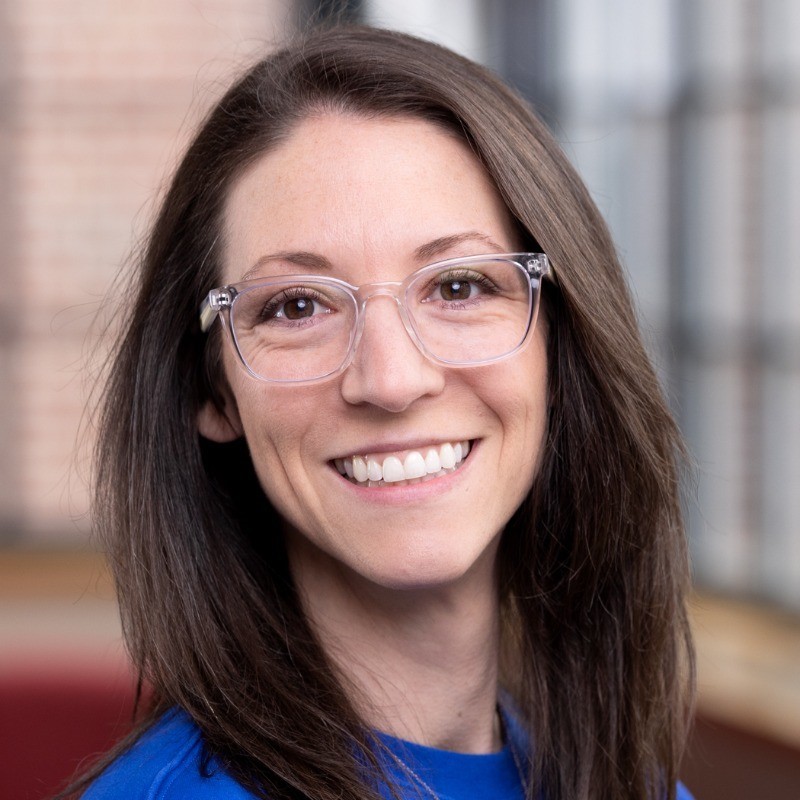
Julia Interrante, Ph.D., M.P.H.
Research fellow and statistical lead, University of Minnesota Rural Health Research Center
Julia D. Interrante is a research fellow and statistical lead at the University of Minnesota’s Rural Health Research Center. She holds a master’s in public health in epidemiology from Emory University and a doctorate in health services research from the University of Minnesota. Her research examines the effects of policy on maternal health outcomes and on access to maternity care services with a specific focus on geographic and racial equity, and includes topics such as disparities in severe maternal morbidity and mortality, changing access to rural maternity care, and the impact of payment policies on maternal and postpartum care.
What happened to all the opioid settlement $$?
During this session, panelists dicussed the changing landscape of drug use in their states (Pennsylvania and Maine) and how opioid settlement money has been distributed.
In Pennsylvania, Glenn Sterner said, there’s been an emergence of nitazenes and increased stimulant use. In Washington County, Maine, harm reductionist Chasity Tuell said opiate use has shifted to polysubstance use. On one side of the county, it’s methamphetamine; on the other, it’s crack cocaine.
When it came to opioid settlement distribution in Pennsylvania, Sterner said the state divided funds based on four measures:
- Overdose deaths.
- The amount of opioids dispensed.
- Prevalence of pain reliever use disorder.
- Population estimates.
In Maine, half of the money went to the main recovery council, Tuell said. Approximately 20% went to the attorney general’s office and 30% to the municipalities that participated in the litigation. “In rural areas, that’s very minimal,” she added.
The settlements were not designed to make up for losses of lives, Sterner explained. “There’s no way we could ever recoup those dollars.”
Resources
- Localize This: Public Reporting of Opioid Settlement Cash
- Opioid settlement tracker
- Appalachia Opioid Remediation Database

Aneri Pattani, M.P.H.
Senior correspondent, KFF Health News
Aneri Pattani is a senior correspondent at KFF Health News, where she reports on mental health, suicide and substance use. For more than a year, she’s produced a series of text and audio stories about how state and local governments are spending their opioid settlement funds. The series was featured on an episode of Last Week Tonight with John Oliver and won second place in the National Headliner Awards for health reporting.

Glenn Sterner, Ph.D.
Associate professor, Pennsylvania State University
Dr. Glenn Sterner is an associate professor of criminal justice at Pennsylvania State University, including a system-wide appointment within the Consortium on Substance Use and Addiction in the Social Science Research Institute. Sterner is dedicated to a holistic, data-driven approach at the intersection of public health and criminal justice to minimize the harms of substance use in our communities, and he actively works across agencies and organizations to promote this ethos. He coordinates a multi-disciplinary, multi-institutional effort to evaluate and maximize the positive impacts of the opioid settlement funding Pennsylvania known as the Elevate Pennsylvania Initiative.

Chasity Tuell
Northern Maine director of harm reduction services, Maine Access Points
In addition to Maine Access Points, Chasity Tuell also serves on the Office of the Maine Attorney General’s Maine Recovery Council.
‘INHERITANCE’: When substance use disorder is a family affliction, can children escape the cycle?
In this closing session, producer, director and filmmaker Matt Moyer shared his “11-year odyssey” to producing the award-winning film “INHERITANCE” with his wife, Amy Toensing. The independent documentary explores the impact of multigenerational substance use disorder, poverty and trauma on children. Moyer shared clips during the session to deepen the discussion.
When moderator and AHCJ Director of Education and Content Katherine Reed asked about the film’s purpose, Moyer said several family members interviewed wanted their stories to serve as cautionary tales. Curtis, the 11-year-old main character, told Moyer he wanted his teachers to see the documentary so they would understand the lives of kids like him.
Moyer said he and his wife spent quality time with the family and were always transparent and honest, which helped build trust.
While Moyer agreed that some filming moments were challenging, like the emotional exchange between Curtis and his mom when they were reunited, he never felt the need to “rescue” the children. But he was surprised by how much the family inspired him to be a better father.
“I saw this love and expression with each other that was deeply profound,” he said.
Asked about the reaction to the film, which has been screened at numerous film festivals, Moyer said many people found it moving, though the lack of solutions offered in it has been questioned.
“We don’t give solutions in large part because that is beyond our scope,” he said. There’s no commitment nationally to do what it takes to help children like Curtis, he added. “We wanted to get to that place where maybe because of that empathy, there can be a commitment.”
Moyer said he hoped the film would bring together stakeholders who can make change. It’s available for that purpose, he noted.

Katherine Reed
Director of education and content, AHCJ
Reed was a professor of practice in the Missouri School of Journalism for 17 years and an editor at the Columbia Missourian — the newsroom lab for students learning print and digital journalism — where she taught health and public safety reporting. She also designed and taught a course on covering trauma and a course for STEM field and journalism students on improving science communication.
Reed came to the school of journalism from Prague in the Czech Republic where she was the editor of Prague Business Journal and an instructor at the Center for Independent Journalism. She was a reporter and copy editor for several years and taught journalism before moving to the Czech Republic. She was a fellow of the Dart Center for Journalism and Trauma and is a longtime member of AHCJ. Reed has published on the teaching hospital model of journalism education, trauma reporting training and more responsible, ethical coverage of mass shootings.

Matt Moyer
Producer, director and cinematographer, “INHERITANCE”
Matt Moyer is a photographer and filmmaker dedicated to telling stories that raise awareness and work to improve our world. Moyer covered 9/11 in NYC, the Iraq war for The New York Times, and has photographed multiple feature stories for National Geographic magazine. As a National Geographic Explorer, Moyer has photographed the looming water crisis in Egypt. He has directed short documentaries that have been featured by a number of outlets including the National Geographic Society and PBS. Moyer was named a Knight Wallace Journalism Fellow at the University of Michigan in 2008 and also received a Knight Fellowship at Ohio University in 2012. He teaches regularly for National Geographic Photo Camps, an organization that teaches photography to underserved youth throughout the world. Moyer also sits on the Board of Advisors for The Siena School, a school for students with language-based learning differences, headquartered in Washington, D.C.

Amy Toensing
Producer and director, “INHERITANCE”
Amy Toensing is a visual journalist committed to telling stories with sensitivity and depth. A regular contributor to National Geographic magazine for more than 20 years, Toensing has photographed and reported on cultures and topics around the world, including indigenous communities and their connection to land, the impact of drought on communities in Australia, and land and social rights for women in Uganda and India. Her recent projects have centered around the human relationship to conservation efforts in the United States, including a rewilding project in Montana and The Northern Forest Canoe Trail, a 740-mile protected paddling path that runs from New York to Maine. Toensing also co-directed two short documentary films, one about urban refugee children in Nairobi and the other on women’s land rights in Uganda. In 2018, Toensing was named the Mike Wallace Fellow in Investigative Reporting at the University of Michigan. She is currently a National Geographic Explorer and FUJIFILM Creator.
Local Host

Sponsors

