
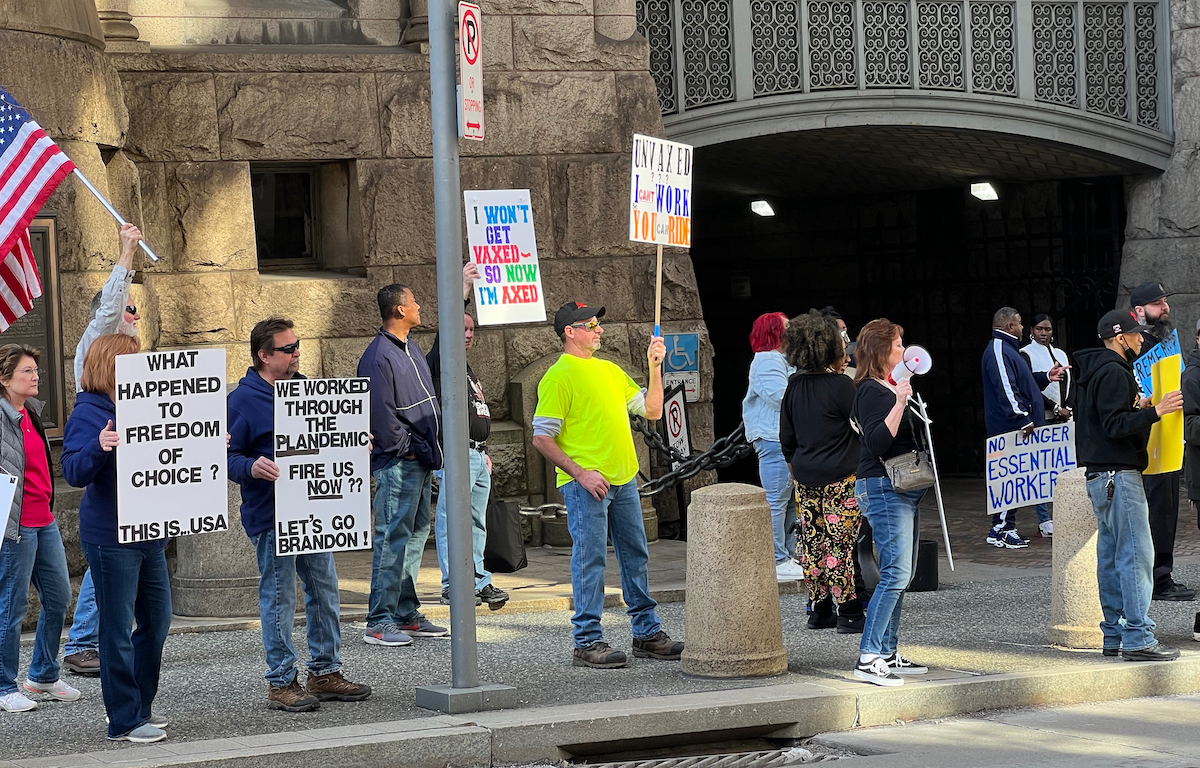
The current rash of measles outbreaks across the country is yet another symptom of rising anti-vaccine sentiment and misinformation in the U.S.
As of June 13, the CDC reported approximately 151 cases across 22 states, including 11 outbreaks (defined as three or more related cases) reported in 2024; 67% of cases (101 of 151) were outbreak-associated.
The CDC has cited the two direct causes of the outbreaks as rising global measles prevalence and reduced measles vaccination coverage. Coverage was 93% among kindergarteners in 2021-2022, the most recent data available and two points below the pre-pandemic 2018-2019 percentage of 95%, the number needed to prevent an outbreak in a community.
The anti-vaccine movement particularly gained power during the pandemic, both nationally and in state legislatures, and has become a formidable political force. A big part of that is the increase in funding they’ve received, and that’s exactly what Washington Post reporter Lauren Weber dug into for her story, “Tax records reveal the lucrative world of covid misinformation.”
The funding for anti-vaccine and COVID-19 misinformation and disinformation are closely entwined. Weber took the time to share with AHCJ a bit about how she reported the story. This story was reviewed by Washington Post’s legal team because the newspaper is currently being sued by one of the groups they investigated, as disclosed in Weber’s story.
This interview was edited for brevity and clarity.
How did this story come about?
I came to The Washington Post in January 2023 to launch a beat covering medical misinformation. As an accountability reporter, I’m always looking to follow the money. I wanted to get a complete picture of what had happened during the pandemic to the finances of groups that had touted ineffective COVID treatments or vaccine falsehoods. Tax records are one way in because these groups are nonprofits compelled to report their revenue, executive compensation, legal expenses and some programming details to the IRS.
I added alerts on ProPublica’s Nonprofit Explorer, which tracks nonprofit tax filings, for a variety of groups on my beat. Once the tool alerted me that new tax records were available, I dug through the filings to find revelatory details about the finances, priorities and inner workings of these groups.
Can you provide an overview of the document types you reviewed for the story? How did you determine what you needed, and how did you organize the information?
In total, I reviewed over 350 tax forms — 990s in particular — that I accessed using ProPublica’s Nonprofit Explorer tool. For the four key groups featured in the story, I was looking to see if contributions, executive compensation, legal fees and program activities had changed over time — and found a large influx of cash.
I wanted to see if I could glean any more information of who was giving money to these groups. Nonprofits are required to disclose when they give over $5,000 to other nonprofits. So I cataloged which nonprofit donors, including family foundations and donor-advised funds, which are tax vehicles popular among the ultrawealthy, had given to these four groups during the pandemic to learn what I could about the people funding their work.
I tracked my financial information using Google sheets, which allowed me to keep all the donations for each group organized as well as compare amounts to find outliers. I even found a $210,000 donation from one of the four groups to another.
I also used LexisNexis and OpenSecrets to track donations to Robert F. Kennedy Jr.’s presidential campaign from the individuals behind some of the nonprofit foundations who had given money to the four groups.
What advice do you have for reporters who may be similarly interested in following the money for nonprofits?
ProPublica’s Nonprofit Explorer is your friend! Sign up with the subscribe button to get alerts when groups you follow file new tax records, and be prepared to settle in for some reading. 990s are often your entryway to stories revealing more about how nonprofits operate, but that must be accompanied by reporting.
For instance, I discovered some of these groups were spending millions of dollars on legal fees — but I had to comb through court records and the group’s websites to find out that money was financing lawsuits looking to expand vaccine exemptions or weaken vaccine mandates. Tidbits on these tax filings on program activities, as well as salaries and contribution totals, can open doors to all kinds of investigative nuggets. And as my colleagues at NICAR pointed out, there are a variety of other important tax forms that can also be revealing.
What advice do you have for reporters who want to learn how finances, donations, taxes, etc. work if they lack a background in investigative or business reporting?
My advice would be to take the time to read a few 990s — it’s much more approachable than you think! I taught myself by reviewing documents, going to journalism conferences and reading other reporters’ stories to glean tips and tricks. It also always helps to have a tax expert or fellow reporter who is experienced in examining these forms to bounce ideas off of and gut check things (shout out to Nate Jones at The Washington Post and Andrea Suozzo at ProPublica). At the end of the day, these are basic tools that can help any reporter on stories big and small.
It seems like this story could have been even longer than it was, and it was already lengthy. How did you decide what to include and leave out?
You are spot on! A lot of darlings — that I had spent many hours poring over records to find — were left on the cutting room floor. But my editors and I tried to make sure the story was engaging and accessible to the average reader — and not just a book report of all my findings. So, we prioritized detailing the most consequential spending of the dollars cataloged in the 990s that showed the groups’ impact.
It’s said that sunlight is the best disinfectant, but we also live in a sort of “post-truth” world in which many people don’t believe the news, even with clear supporting evidence. Was this in mind as you wrote the story?
As I report and write any story on the health misinformation beat, my goal is to be accurate and fair. That means always giving the people and organizations mentioned in the story multiple opportunities to respond to criticism. And writing with clarity and context to communicate to readers why they should care as well as laying out the facts as best we know them. In part, that’s why I wanted to focus on tax filings — numbers are concrete data points that can reveal so much.
How did you determine which sources you needed to speak with for the story?
I went back through a year’s worth of reporting notes on this beat to put dry financial documents into context in a way that readers could understand. While I quoted several legal, legislative, tax and public health experts in the piece, I spoke with dozens more whose insights ensured I had a fulsome understanding of the facts and what they mean — and allowed me to write authoritatively on this subject.
Altogether, that reporting revealed how lucrative covid misinformation can be — and the dangerous consequences of it.
More broadly, what advice would you give any reporter who wants to investigate groups like these? What are the hardest and easiest parts?
My advice is to start by getting out in the world. Cultivate sources who can tell you what you should be paying attention to from all sides of the political spectrum — and listen when they call. Subscribe to anything and everything related to this beat, and stay up to date on the news. Go to hearings and engage with people that your stories will cover. Hand out your business cards. Keep a running list of story ideas or nuggets that can come in handy.
And then do the hardest thing of all — write! I have gotten the most story tips from people who read my coverage. I am also very thankful for The Washington Post lawyers and editors, who brilliantly work to publish investigations like this.