Sometimes the sources of health inequities and outcomes may be obvious. Other times, they can be obscure.
That is what Associated Press reporter Kenya Hunter learned while reporting about the federal Special Supplemental Nutrition Program for Women, Infants and Children, commonly known as WIC. A program of the U.S. Department of Agriculture that was officially launched 50 years ago, WIC offers free health and social services to low-income women during and after pregnancy and to infants and children up to 5 years old who are at risk of malnutrition.
Mothers, fathers and other guardians can take classes to learn about healthy diets, how to handle picky eaters, the benefits of breastfeeding and other health-related topics.
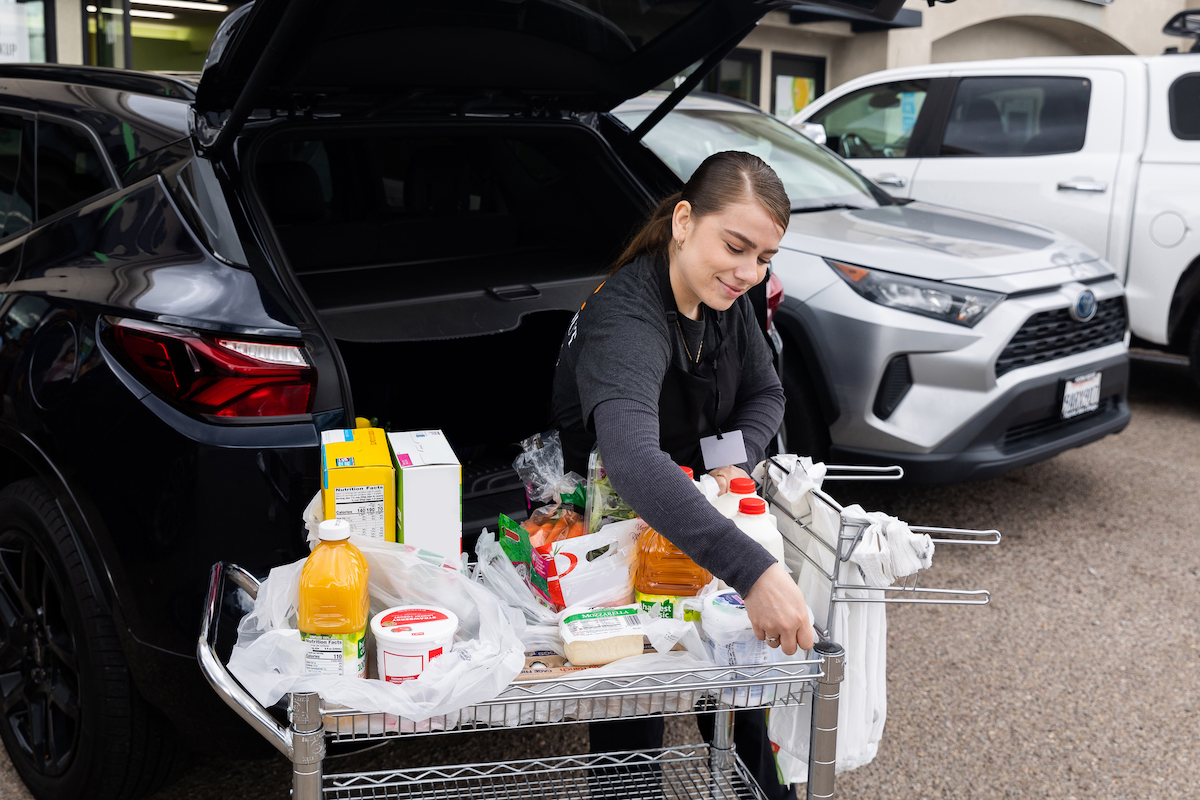
In her reporting, Hunter said she learned that federal and state inventory, software, and building size requirements make it hard for some Targets, Aldis, mom-and-pop convenience stores and other food vendors to participate. That is one reason why millions of families in urban and rural areas have little to no access to healthy foods.
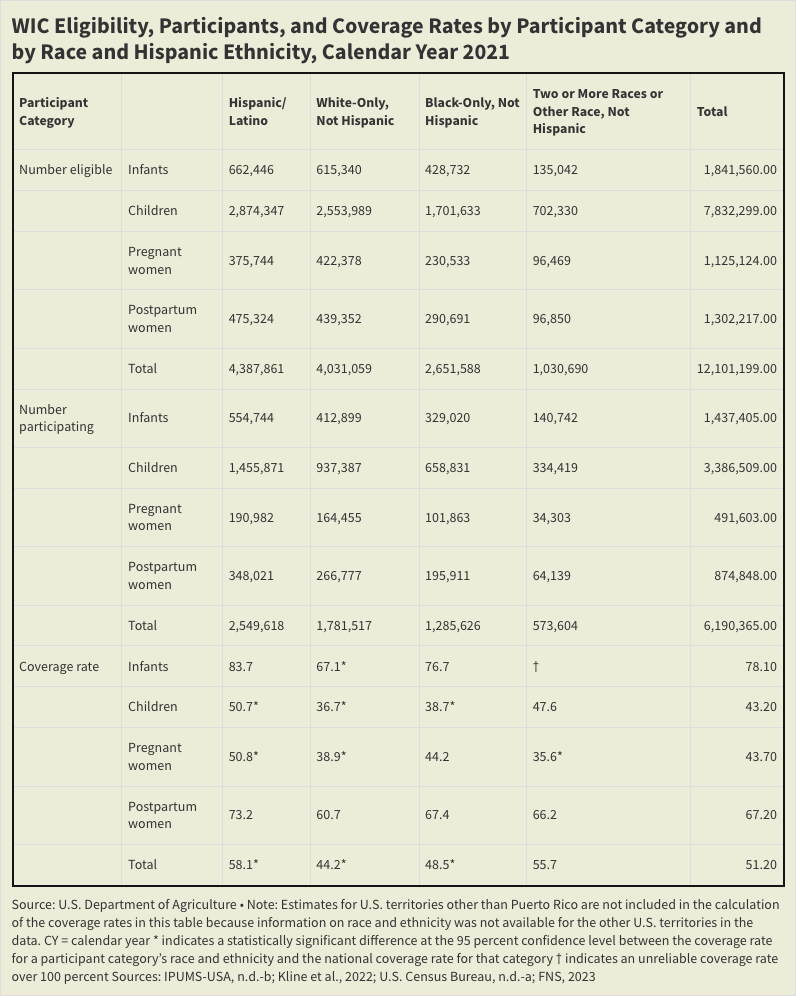
According to a report Hunter used in her reporting, 51.2% of low-income women, infants, children and others eligible for the program used it to get fresh fruits and vegetables, milk, cereal and other foods integral to a healthy diet, among other benefits.
“I found that it’s pretty complicated. It’s not as simple as food stamps for anyone really,” Hunter said about WIC.
After talking to experts and WIC enrollees, Hunter learned that “there’s a lot that you have to do in order to maintain your WIC status. And there’s also a lot that you have to do to stay involved in the program.”
Regulatory barriers
For more than a decade, many researchers have argued that WIC has played a critical role in setting up women, infants and children for a healthy life. But the low use rate, which declined from 2016 to 2021, raises questions about the effects that regulatory barriers may have on the short- and long-term health of people who are eligible for WIC but aren’t using their benefits because of those policies.
That’s a critical point stories should address, partially because federal data suggests that American women of reproductive age — who represent nearly 20% of the population in the U.S. — aren’t in good shape heading into pregnancy. According to a 2020 analysis of public health statistics, 32.9% of deaths in women of reproductive age resulted from heart disease, diabetes and other conditions associated with pre- and post-delivery problems.
Coverage rate
A key measure of WIC is what the feds call the “coverage rate.” The USDA defines it as “the percentage of the total eligible population in each participant category that receives WIC benefits.” Among the coverage rate trends that stand out from the analysis published in November 2023:
- People living in California, Puerto Rico, Oregon, South Carolina and Minnesota were among the most likely to use WIC.
- Hispanic or Latino participants of any race were the most likely to use it.
- WIC use among eligible infants and children goes down notably from ages 1 to 4.
To get a sense of what it was like to be a WIC participant, Hunter talked to women who were eligible for it and used the assistance. Still, the hodge podge of vendor regulations and participant requirements don’t fully explain the use-rate differences by race and ethnicity nor disparities by state.
Researchers who are investigating the reasons driving the low use rate will help you explain the ways that policies, the interpretation and the implementation of them may keep people from participating in WIC.
Why aren’t more people using WIC?
In this 2022 review of state-led methods to increase WIC enrollment and participation, researchers found that the arduous process of applying for WIC discouraged many from using the program.
They also learned that people eligible for services don’t use them out of embarrassment or because they may not live close to the clinics, nonprofit organizations or other businesses that offer WIC services.
Researchers also made the case that it’s going to take more than brochures in clinics, Instagram posts and having materials in several languages for states to nudge WIC recipients to use their benefit. Harnessing the power of digital communication and mobile apps will be instrumental in doing that.
In Pennsylvania and Maryland, for example, participants could use the WIC app to scan barcodes at grocery stores to determine what fruits, vegetables and other foods they could get. The authors argued that online educational sessions similar to those offered by other government assistance programs would be beneficial to people who have qualified for WIC.
Researchers with the Center of Budget and Policy Priorities argued in a 2021 analysis that linking information from participants in Medicaid and the Supplemental Nutrition Assistance Program, which have a higher participation rate, would help increase WIC use among people approved for it.