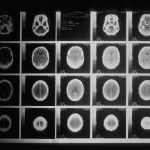

Why do the brains of some older adults look very different than those of their peers? Scientists at Northwestern University say the answer may explain why these elders don’t suffer the same cognitive decline that affects other seniors.

These so-called “SuperAgers,” all age 80 and older, have memories as sharp as those of healthy people 30 years younger, according to a small study by researchers from the Cognitive Neurology and Alzheimer’s Disease Center at Northwestern’s Feinberg School of Medicine. This is the first study to quantify brain differences of SuperAgers and normal older people.
When compared with people of similar ages, the “brain signature” of SuperAgers have a thicker region of the cortex; significantly fewer tangles — a primary marker of Alzheimer’s disease – and a substantial supply of von Economo neurons, which are linked to higher social intelligence.
Understanding this unique brain composition will allow scientists to decipher the genetic or molecular source and may foster the development of strategies to protect the memories of normal aging persons as well as treat dementia, according to the study authors. The research was published in the Jan. 28 issue of the Journal of Neuroscience.
“Identifying the factors that contribute to the SuperAgers’ unusual memory capacity may allow us to offer strategies to help the growing population of ‘normal’ elderly maintain their cognitive function and guide future therapies to treat certain dementias,” said Tamar Gefen, first study author and a clinical neuropsychology doctoral candidate at Feinberg.
MRI imaging and an analysis of the SuperAger brains after death show the anterior cingulate cortex — a part of the brain responsible for intellectual function — of 31 SuperAgers was not only significantly thicker than the same area in 21 similarly-aged individuals with normal cognitive performance but was also larger than the same area in a group of subjects aged 50-60. This region is indirectly related to memory through its influence on related functions such as cognitive control, executive function, conflict resolution, motivation and perseverance.
Additionally, the brains of five SuperAgers had approximately 87 percent less tangles than age-matched controls and 92 percent less tangles than individuals with mild cognitive impairment. These neurofibrillary brain tangles, are twisted fibers consisting of the protein tau. They strangle and eventually kill neurons. The number of von Economo neurons, which are thinner, longer, and larger than other brain neurons, was three to five times higher in brains of SuperAgers compared with age-matched controls and individuals with mild cognitive impairment.
“It’s thought that these von Economo neurons play a critical role in the rapid transmission of behaviorally relevant information related to social interactions,” said Changiz Geula, study senior author and a research professor at the Cognitive Neurology and Alzheimer’s Disease Center, “which is how they may relate to better memory capacity.” These cells are also present in such species as whales, elephants, dolphins and higher apes.
Related
What can we learn from superagers?, from Health Journalism 2010