



Advocates worry the incoming Trump administration could roll back a new regulation requiring the replacement of lead pipes within 10…

CBC reporter Lauren Pelley discusses how she covered the growing threat of fungal infections like the one that causes Valley…
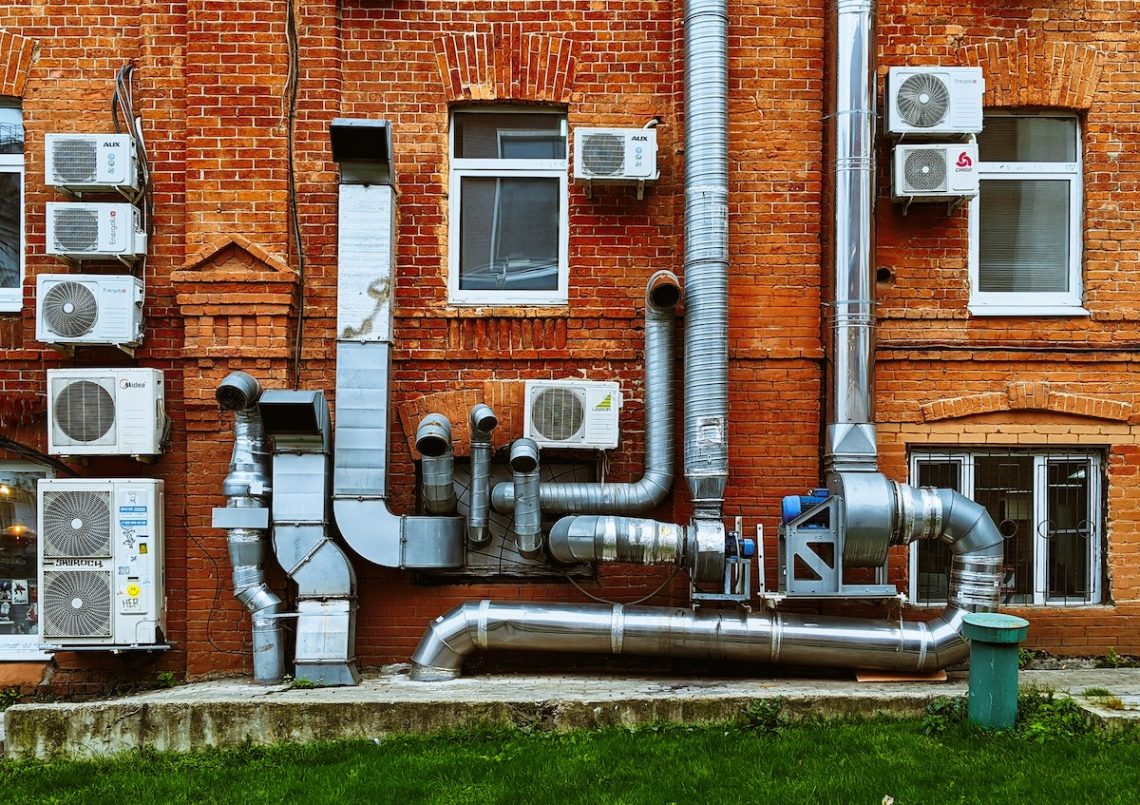
Outdoor pollutants like ozone, particulate matter and allergens like pollen also impact indoor air quality.
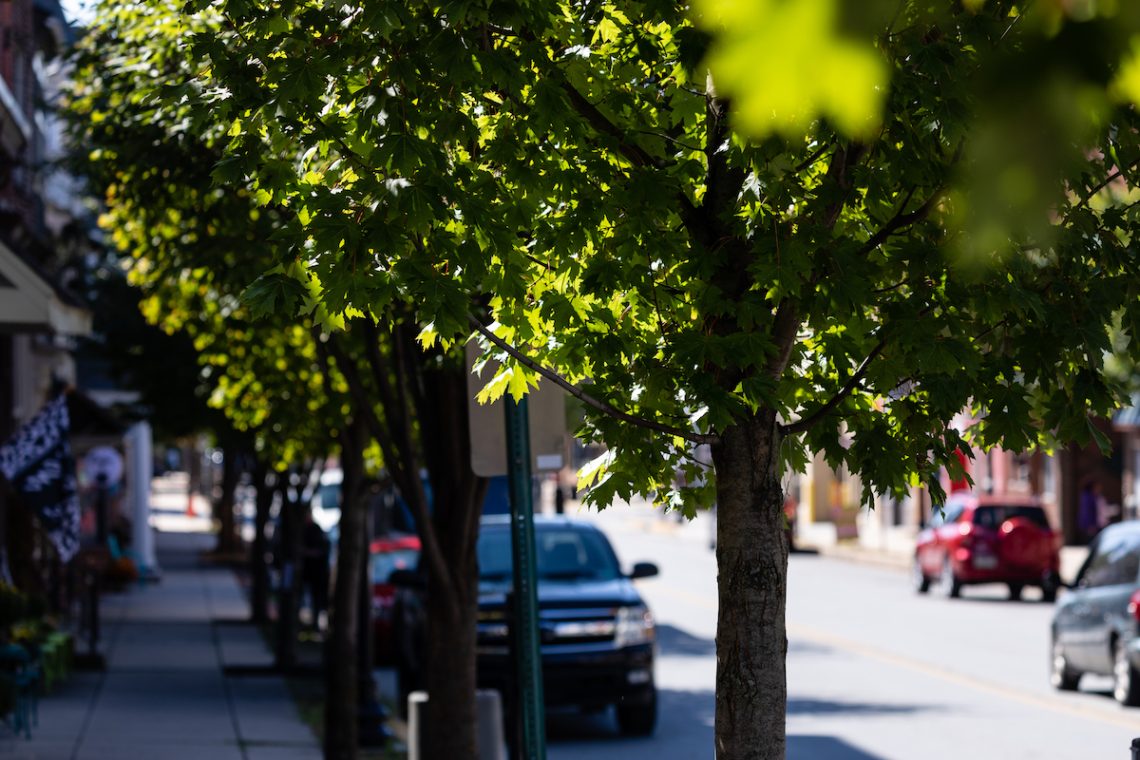
New research highlights how a mixed canopy of trees instead of one or two species in an urban environment can…

This joint investigation looks into the health threat of hydrogen sulfide leaking from Texas oil wells and how residents are…
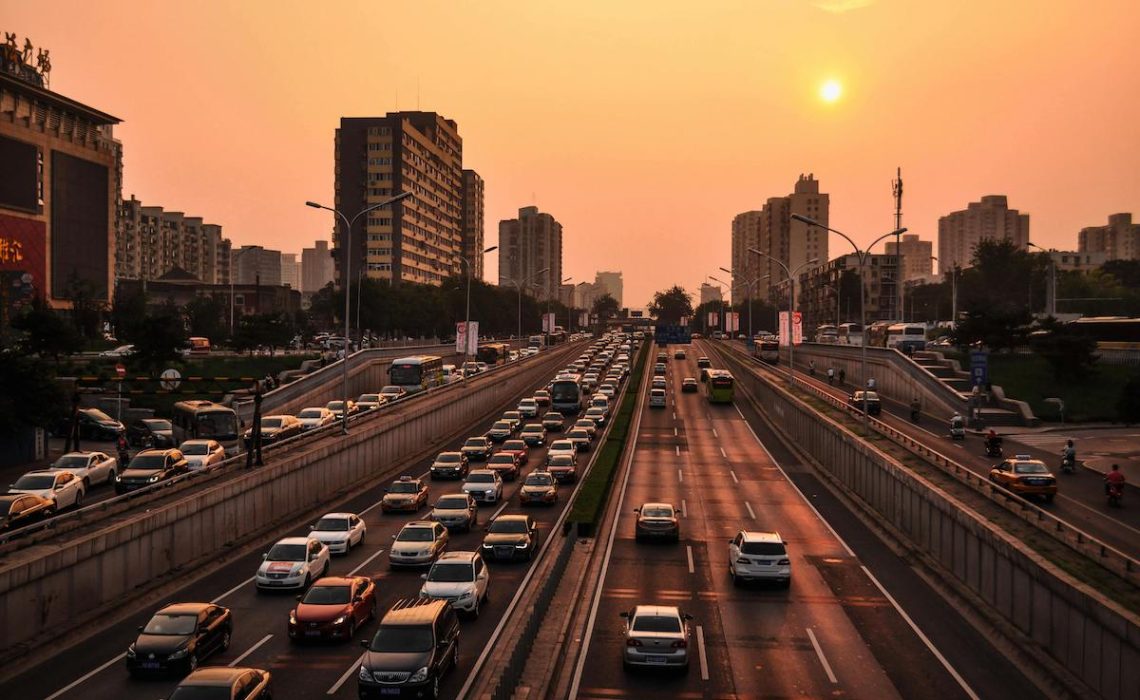
With 80% of Americans living in urban areas, understanding the heat island effect is crucial when reporting on environmental health.
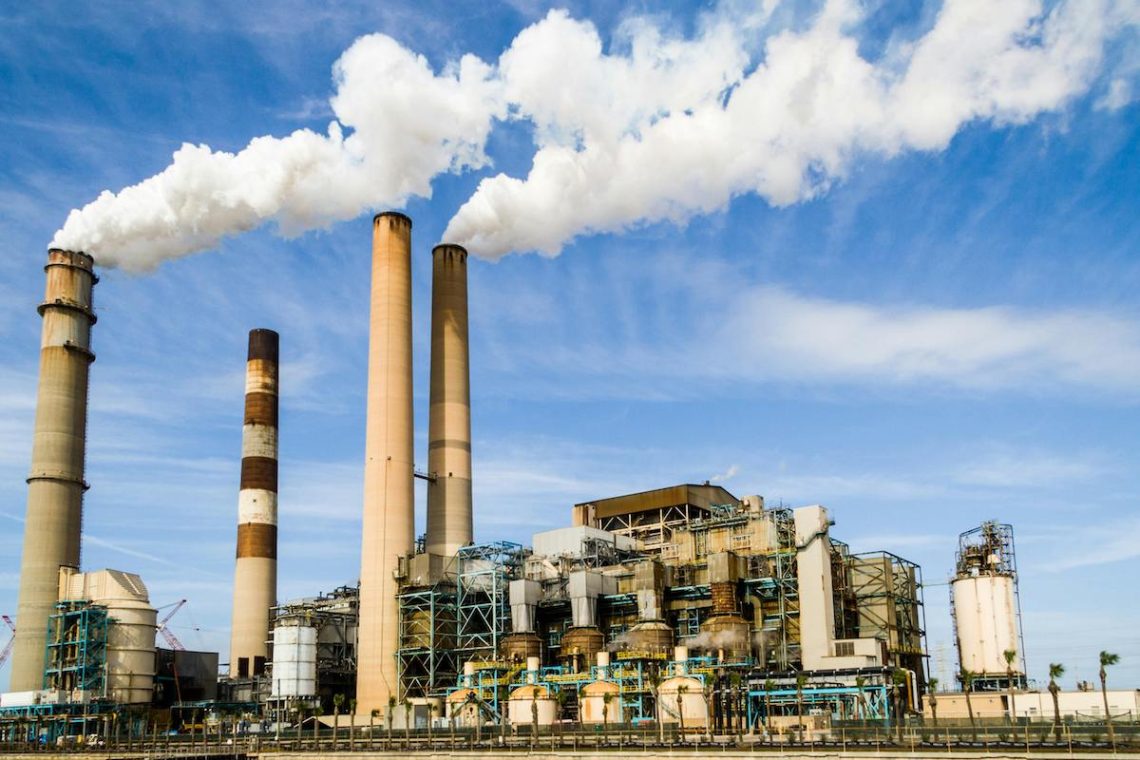
As climate lawsuits gain traction, companies could be held liable for health damages due to their contributions to climate change.
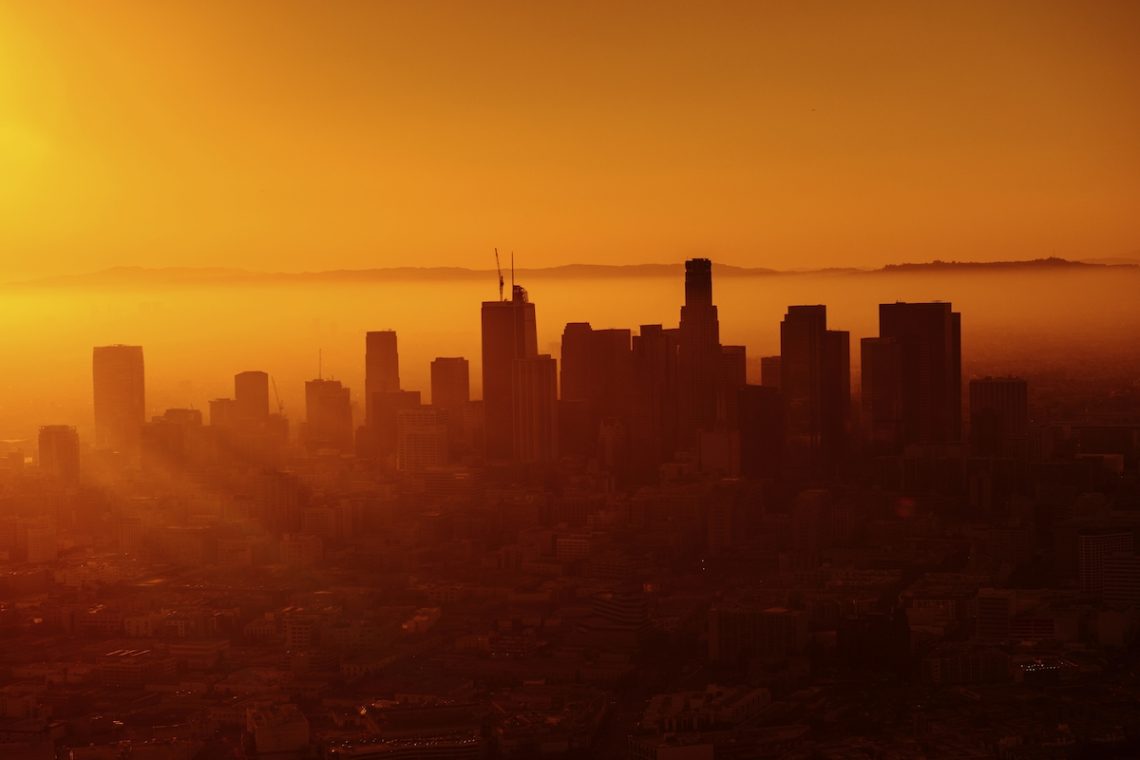
Prompted by nationwide heat waves, the U.S. Dept. of Housing and Urban Development published guidelines for managing extreme heat.

In this “How I Did It,” Mitchell discusses his reporting approach to his Okinawa military exposure investigations.

During a lightning talk at HJ24, reporter Brittany Trang broke down per- and polyfluoroalkyl substances, also known as “forever chemicals.”