



Communities across the country have been negatively impacted by Trump’s ending of the Justice40 energy and environmental justice initiative.

Trump’s elimination of Justice40 and other environmental justice programs will lead to increased pollution, reduced protections and more.
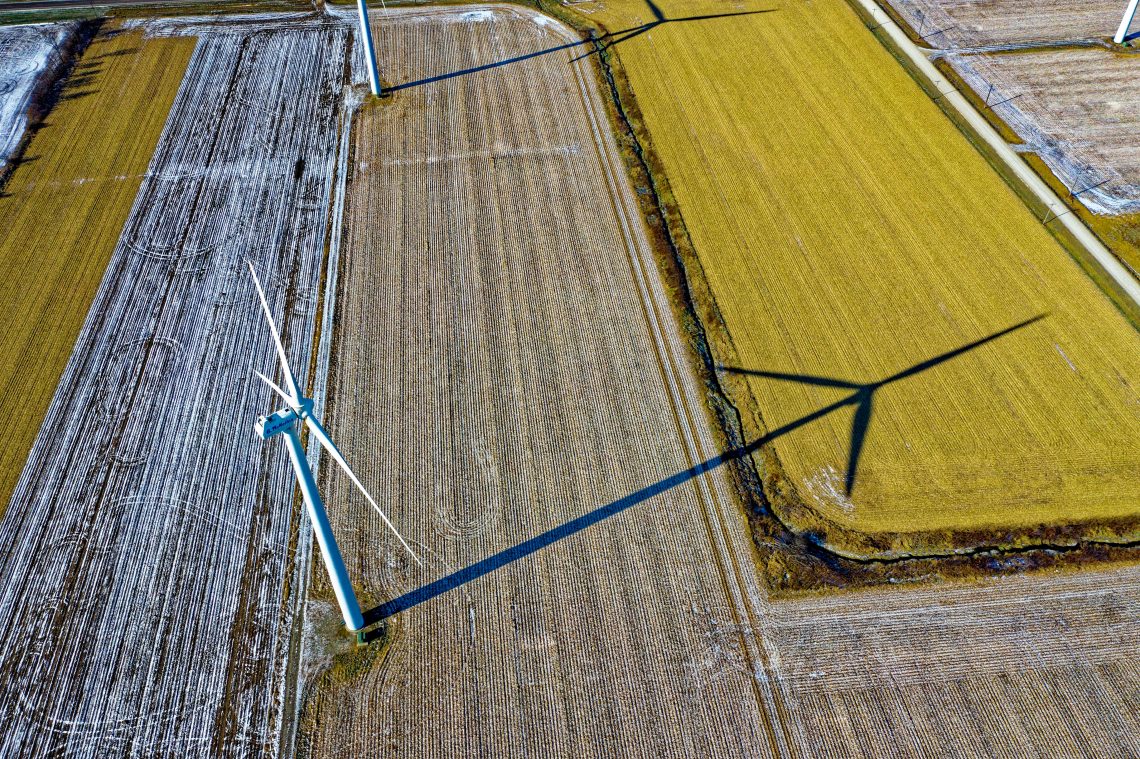
Check out these ideas for finding fresh climate change story angles.

As tick-borne diseases spread in a warming world, health journalists can help spread awareness of effective prevention methods.
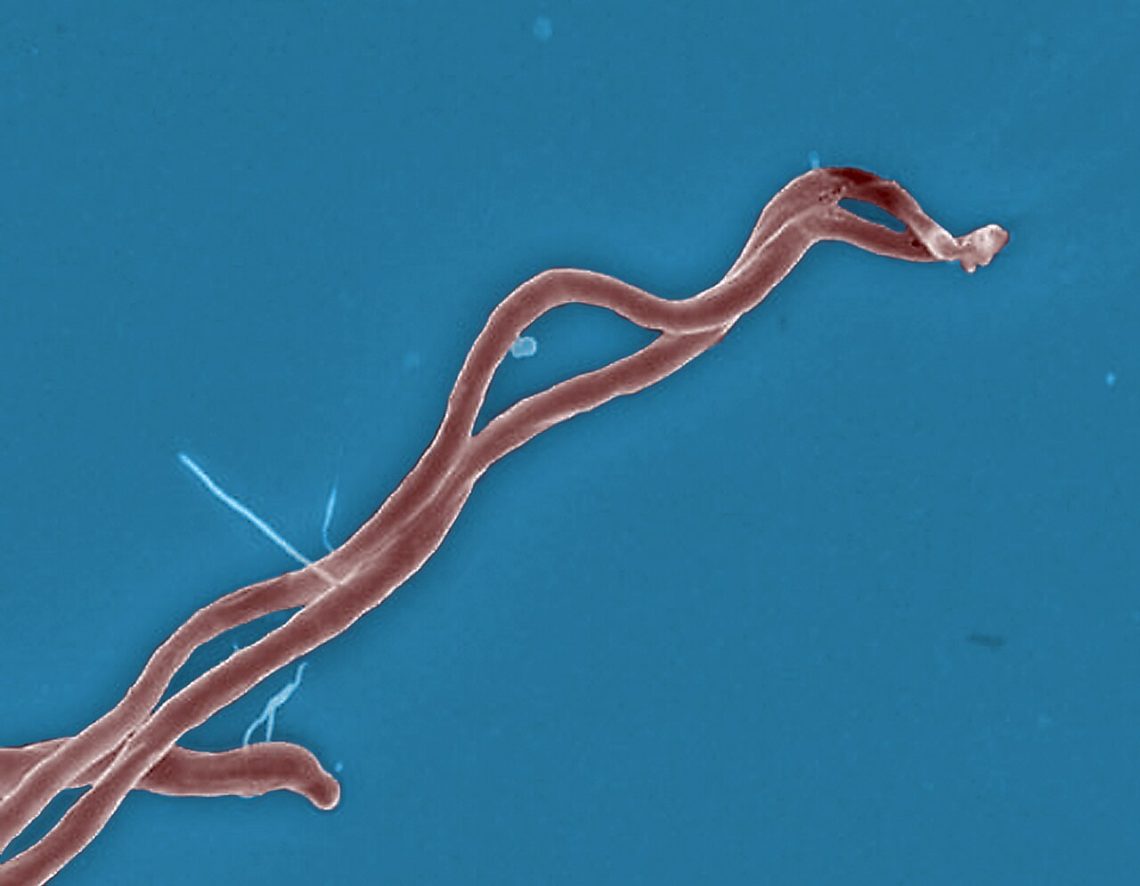
Framing Lyme disease as a climate story is crucial for public awareness, policy action, and understanding how ecological shifts are…

Bird flu coverage shouldn’t be limited to what’s happening in birds, cows and humans — make sure to look at…
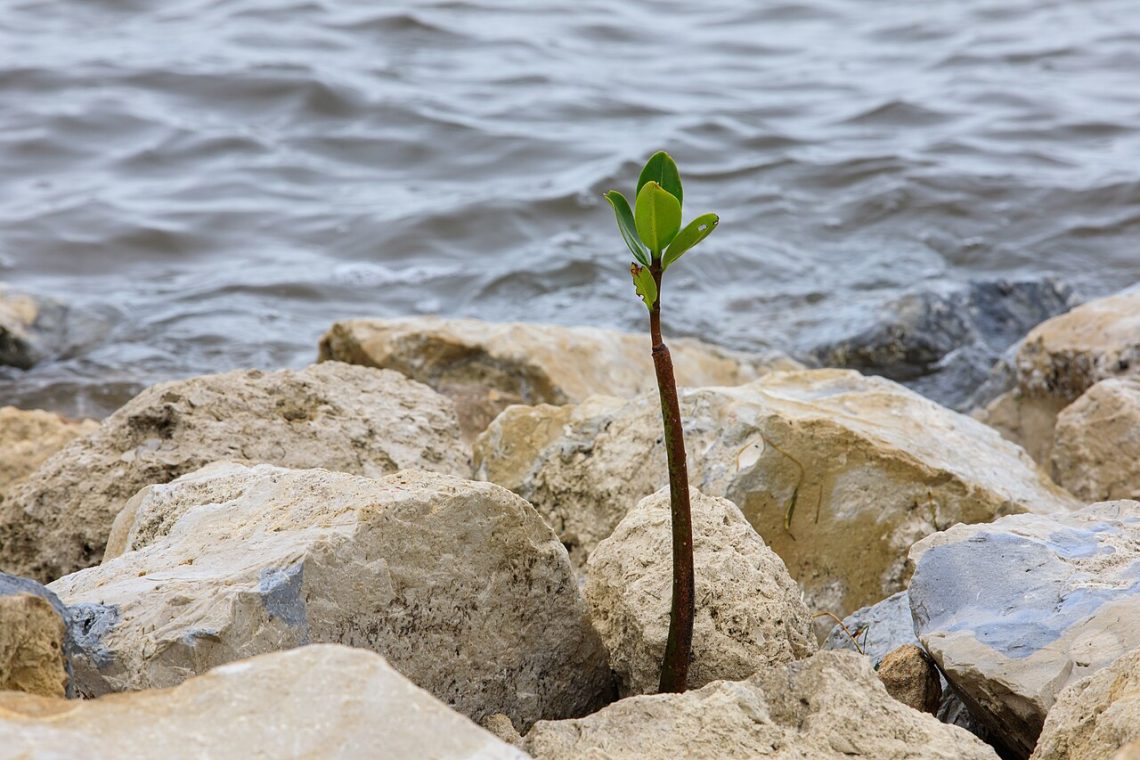
The New York Times began a series on March 25 that celebrates environmental progress in each state.
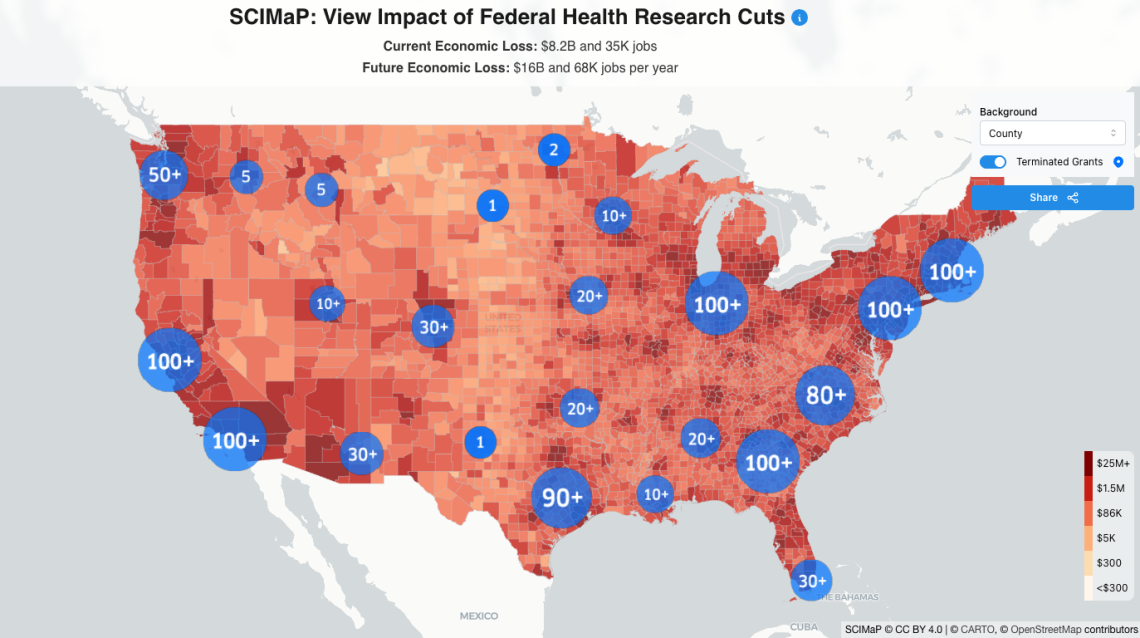
Learn how two researchers created an interactive map showing local impacts of cutting funding at NIH-funded facilities across the U.S.

An interview with top Democratic pollster David Shor is relevant for science journalists looking to reach a more bipartisan audience.
It’s imperative that journalists communicate the local, tangible effects of Trump’s federal government disruptions to their readers.