

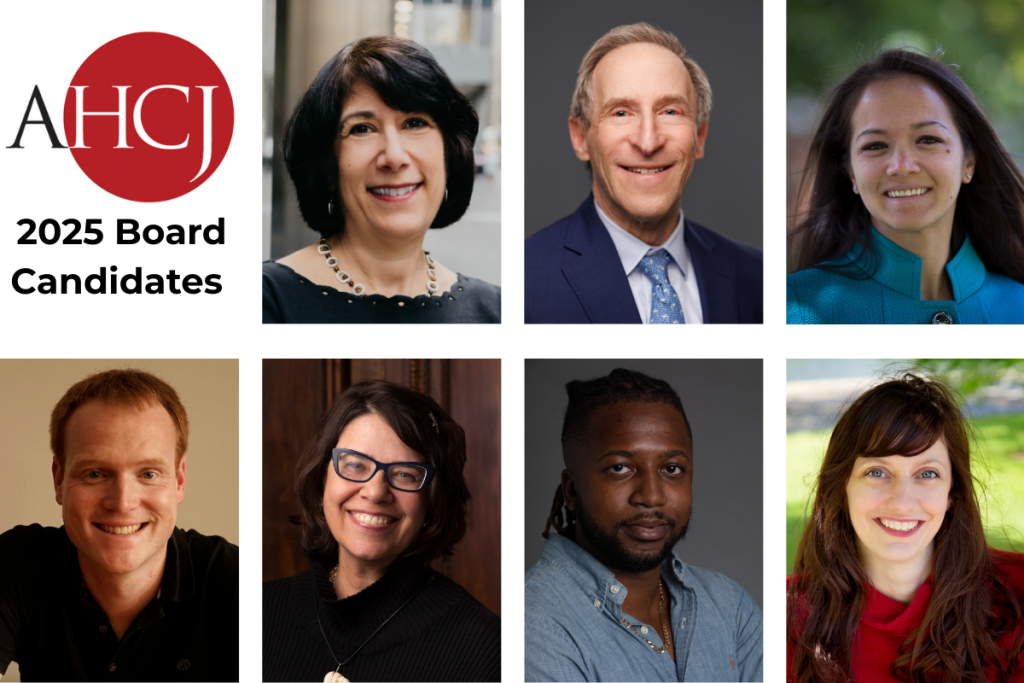
Members in AHCJ’s professional category can vote for the association board of directors and will receive a link via email to cast their ballot on Monday, June 16. Voting will be open from June 16 to July 18 at 5 p.m. CST.
If you are a professional category member and have not received your ballot, please check your junk/spam folders for an email from “andrea@healthjournalism.org.”
If you still are unable to locate your ballot, please contact Director of Engagement Andrea Waner at andrea@healthjournalism.org.
Each year, members in AHCJ’s professional category elect members for the association board of directors.
(Associate and allied members cannot run for election or cast ballots.)
Six of the 12 director positions come up for election each year for two-year terms, although incumbent board members are allowed to run for re-election. This year, there are seven candidates for the six positions.
Service on the board is a serious commitment. It has commensurate rewards (but no pay). In addition to participating in two board meetings each year and occasional conference calls, board members are responsible for making decisions about association policies and statements, as well as working with the executive director on training projects, financial matters and other efforts to achieve AHCJ’s strategic goals. Board meetings are normally held in person but can be held online if necessary.
Board members take on committee duties and contribute to association activities, including fundraising, advocacy, helping plan sessions at training events, membership outreach and writing/editing contributions. They may be asked to play a role in other association projects that arise. They also are asked to show their support through an annual donation to the Center for Excellence in Health Care Journalism, although there is no minimum required.
Below are the AHCJ professional members who have declared their board candidacy, listed in alphabetical order.
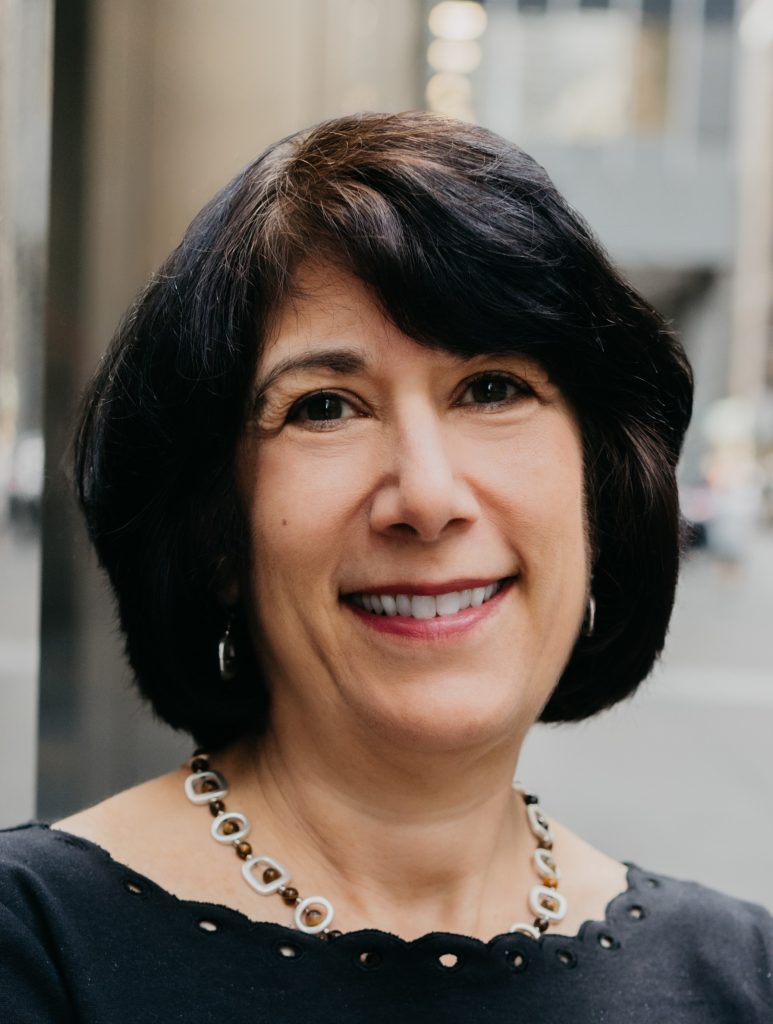
Michele Cohen Marill
Independent journalist
As co-chair of the Membership Committee, I have an opportunity to talk to members about AHCJ. Some are freelancers who are struggling as publications downsize or close. Others are seeking fellowship support for reporting projects, since mentoring opportunities and travel funds are scarce in many newsrooms. In my two years on the board, I have worked to enhance AHCJ’s networking and professional development resources, and I hope to continue those efforts in another term.
Post-pandemic, I helped revive local AHCJ chapters as a valuable way for health journalists to connect in-person. We currently have active chapters in New York City, Washington, D.C., Atlanta, Philadelphia and Boston. I also launched a Chapter Breakfast at the annual conference to provide an extra way for members to meet others from their city, state or region, even if they don’t have a local chapter. I help freelancers connect throughout the year by moderating monthly Zoom networking sessions called Lunch & Learn. They have covered a range of topics, including using productivity tools, setting freelance business goals, navigating contracts, and building a niche beat. In a new term on the board, I would like to continue to expand AHCJ chapters and create additional ways for members to network.
With Tammy Worth, co-chair of the Membership Committee, I helped spearhead a revision of the definitions of Professional and Associate membership. This provides important clarity for freelancers who are primarily journalists but also need to do a variety of writing assignments to pay the bills. In one change, our membership descriptions now state that writing journalistic articles for peer-reviewed medical or science journals published by associations or trade groups (such as Science or JAMA) counts toward the qualifications to be a Professional member.
I have been an AHCJ member since 2012, when I attended my first annual conference, which was held in Atlanta. Until then, isolated in my home office, I was unaware of this community of talented health journalists. What impressed me most was the spirit of camaraderie. Rather than acting as competitors, AHCJ’s freelance members are remarkably collaborative. We don’t have co-workers to lean on—but we have each other.
I have attended every annual conference since then, gaining assignments from PitchFest and new perspectives from expert panels. I participated in two AHCJ fellowships. (I also was a 2024 National Fellow with the USC Annenberg Center for Health Journalism.) Becoming a member of AHCJ altered my career. Today, I serve on the board to give back to the organization that means so much to me.
AHCJ Experience
- I am co-chair of the Membership Committee and I serve on the Freelance Committee as well as the Board of Directors.
- I organize and moderate monthly, Zoom-based Lunch & Learn networking sessions for freelancers to share advice and concerns about issues they face.
- I organized conference panel submissions from the Freelance Committee to make sure sessions meet the needs of freelance members. I also have moderated numerous panels at AHCJ conferences (and during the pandemic, webinars).
- I served as a mentor for a new health journalist as part of the AHCJ Mentoring Program.
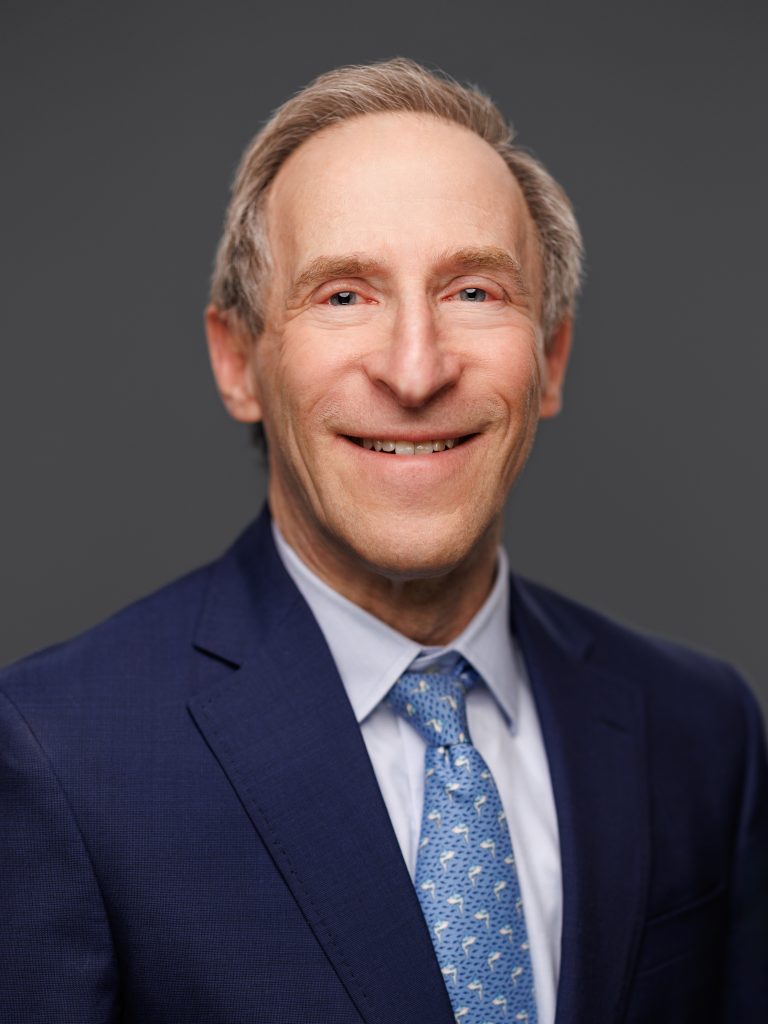
Gideon Gil
Managing editor, STAT
I joined AHCJ 25 years ago. As the lone medical reporter at the Louisville Courier-Journal, I sometimes felt isolated and overwhelmed, struggling to feed the daily news beast while writing in-depth enterprise, and to master the intricacies of everything from artificial hearts to the emerging scourge of OxyContin. Through AHCJ’s website, conferences, and listserv, I found tip sheets, story ideas, sources, inspiration and friendships. True to its mission, AHCJ helped me become a more skilled journalist. With that boost, I moved to the Boston Globe, where I was health and science editor for 11 years, and then joined STAT at its founding in 2015 as a managing editor.
I am running for re-election because AHCJ’s mission of training and supporting journalists is more important than ever. The challenges confronting us are daunting. Many of us have lost jobs, work in shrunken newsrooms, and face online vitriol. We’re bombarded with alternate facts and radical obfuscation. As vice president of the board, I’ve helped members and AHCJ any way I can. Just this year, I’ve worked to relaunch the Boston chapter, served as a mentor, drafted a letter to federal officials protesting the removal of health data from the CDC website, worked to update fundraising guidelines to safeguard AHCJ’s integrity and sustainability, and assisted our board president to overhaul the bylaws. And I will be moderating a panel at the LA conference on AI in health care.
Should I be re-elected, I’m in line to become AHCJ president. In that role, I would prioritize:
- Ramping up advocacy for journalists, working with staff and other journalism groups to crowdsource data on federal agencies’ responsiveness to FOIA, interview, and information requests, and using the findings to push the administration for improvements.
- Broadening our membership in terms of geography, race, ethnicity, gender, and media type.
- Encouraging AHCJ initiatives to support local news startups, whose editors and reporters may not cover health full-time but can still benefit from our programming and resources.
- Advocating for expanded fellowships and training for reporters.
- Maintaining policies that protect AHCJ’s integrity by ensuring independence from funders, as generous as they might be, and requiring professional members to follow mainstream journalism standards.
I am asking for your vote. And when you see me at the conference, please say hi. I want to know how we can help you become a better journalist.
AHCJ Experience
I was first elected to the AHCJ board in 2011 and have served the organization in myriad ways since then. I chaired the membership committee and the finance committee and served as treasurer, and now I am vice president of the board. I led the local organizing committee for the Boston conference in 2013 and subsequently chaired the Boston chapter until this spring. I served on the search committee for our current executive director, have moderated numerous conference panels, helped to moderate the listserv, and participate in the mentorship program.
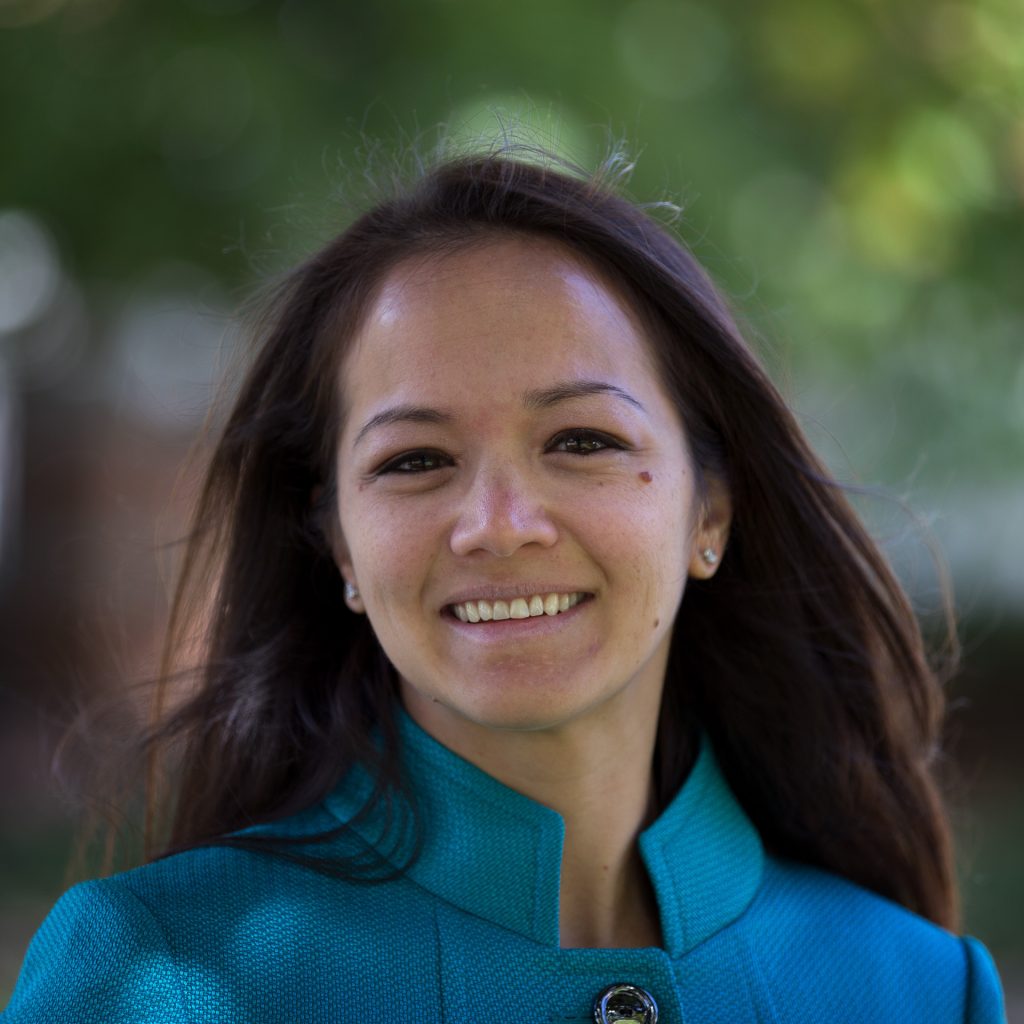
Christine Herman
Editor, Illinois Public Media
Independent journalist
I have been serving on the AHCJ Board since 2021 and would be honored to take on another term with AHCJ, which has done so much to support me over the years. My time with AHCJ dates back to my time as an AHCJ Great Lakes Reporting Fellow, which helped me launch my health journalism career a decade ago.
I currently have one foot in both worlds, when it comes to staff jobs and freelancing. I work part time at Illinois Public Media, a mid-sized public radio outlet; as editor of the Illinois Student Newsroom at IPM, I oversee the work of up to 20 journalism students each semester who work as local reporters for our station. I’m also a freelance editor: I fill-in edit at a handful of local NPR stations and take on other interesting projects — most recently, I worked with a filmmaker on a documentary about Alzheimer’s and caregiving.
I currently serve on AHCJ’s Executive Committee as Secretary and I’ve been chair/co-chair of the contest committee for two years. I’m extremely proud of the work we’ve done to overhaul the contest rules, including redefining Large/Small outlets in a way that helped level the playing field for smaller news outlets. This past year, I oversaw the committee’s effort to redefine the Student Category, limiting submissions to student work produced for class, student publications and university-based outlets. As part of that initiative, the committee reached out to more than 100 journalism departments and college newspapers to invite their student reporters to apply — and we saw a significant increase in student entries as a result. We also updated the prize to include travel costs to the annual conference for the winner of the Student Category, to increase the likelihood that they can benefit from attending the meeting.
The contest committee is getting ready to unveil updates to the Audio category based on member feedback — as well as introduce a new category for TV/video, so stay tuned for that!
I care deeply about supporting young journalists, who are entering the field during a time of great uncertainty. I’ve been a mentor through AHCJ for two years, and I’ve remained active with the Carter Center Mental Health Journalism Program, most recently helping plan an in-person mental health training event aimed at equipping local journalists of all stripes to report on mental health. I’m also a member of the Asian American Journalists Association, and going forward, I hope to join in on AHCJ’s early efforts to pursue mutually beneficial partnerships with other organizations that support journalists from underrepresented groups.
AHCJ Experience
- 2021-present: AHCJ Board member.
- 2023-present: Contest committee chair/co-chair.
- 2023-present: AHCJ mentor.
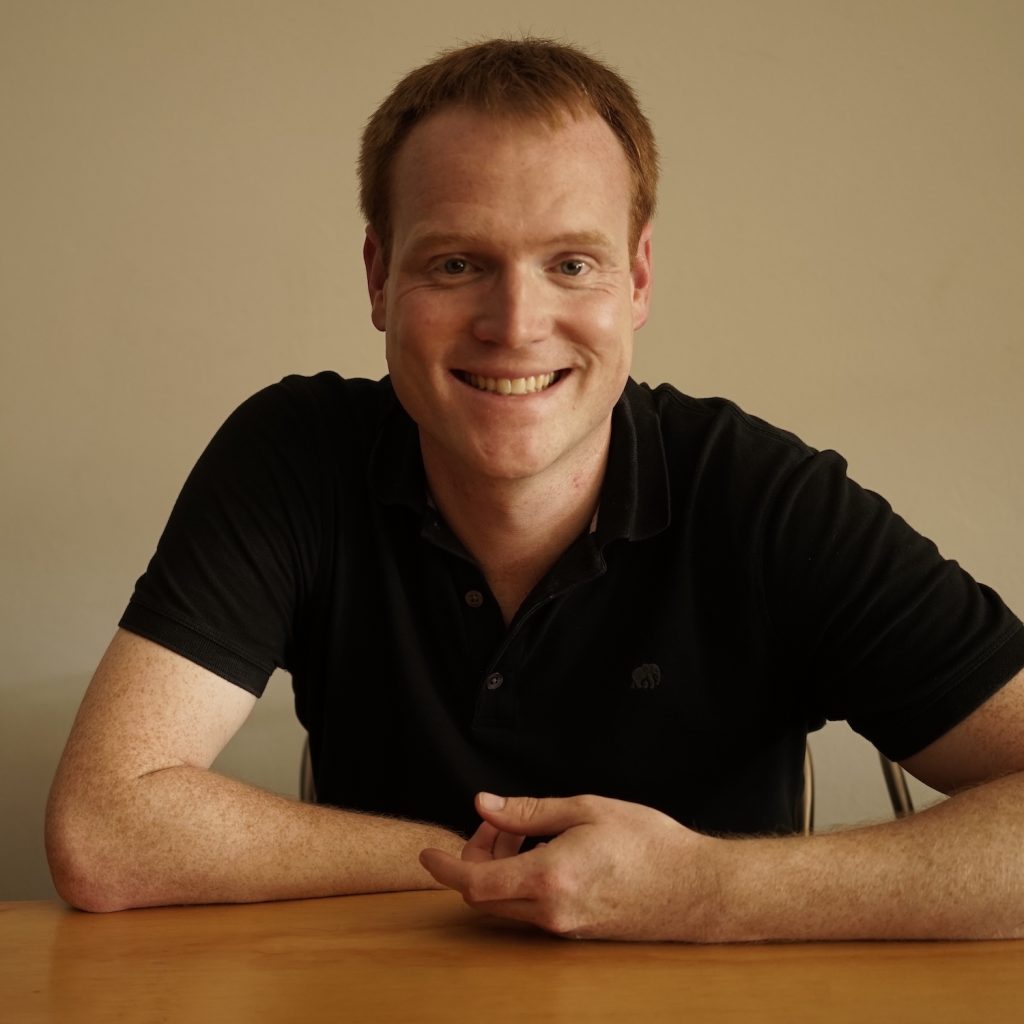
Jason Kane
Producer, NBC News
So much has changed since I began my career as a health care journalist nearly two decades ago. I started as a small-town newspaper reporter in the Shenandoah Valley and now primarily produce segments for “NBC Nightly News” and the “TODAY” show throughout the nation. But no matter the platform or the story, one thing has been constant – AHCJ has had my back, with resources that enriched my reporting, fellowships and conferences that have expanded the scope of my investigations, and awards that have celebrated my work.
I’m running for the AHCJ Board because I think my experience as a long-time health care journalist at NBC and PBS could add a needed perspective. The Board has long had heavy representation from print, digital and audio reporters, but voices from the television/video wing of the industry have been scarce.
As AHCJ works to create workshops, conferences, digital resources and other opportunities that are helpful to journalists of all mediums, I would like to offer insights from this lane of the profession. After all, television and video journalists face particular challenges – from the basic but significant hurdle of getting sources to open up about sensitive health information with lights and cameras in their faces, to the challenges of navigating HIPAA regulations with a camera crew.
AHCJ could offer more resources and panels catering to these reporters. That, in turn, could help us boost membership among video journalists and would also be educational for our print, digital and audio colleagues who are being asked to develop visual storytelling skills in increasingly cross-platform newsrooms.
I’ve already begun this mission. Last year, I joined the ACHJ Contest Committee in the hopes of creating a TV/Video category and – with the encouragement of committee chairs Christine Herman and Jonathan Rockoff – took a leadership role in researching and developing this new category. With the Board’s support, we hope to roll it out in the coming year.
A bit more about why I’m the right person for the job: After my early days in the industry as an NPR intern and newspaper reporter, I joined the PBS NewsHour’s Health Unit in 2011 to cover the complexities of the recently passed Affordable Care Act. For the next 12 years, I traveled the nation to interview Americans about how the law’s rollout impacted their lives, while also tackling expansive series around the globe on efforts to end HIV epidemics, achieve universal health care and prepare for the next pandemic. Two Emmys (and a first-place AHCJ Award later), I moved to NBC News, where I am now a member of the Health Unit, producing video content for all NBC News programs and platforms.
AHCJ has enriched my career in so many ways and I would love this opportunity to give back. Thank you for considering me for a seat on the AHCJ Board!
AHCJ Experience
I am a current member of the AHCJ Awards Committee and have taken a leadership role in developing the new TV/Video category. Before joining the committee, I served as an AHCJ Awards judge for many years, beginning in 2011. I have also been lucky enough to participate in many AHCJ fellowships, conferences and workshops.
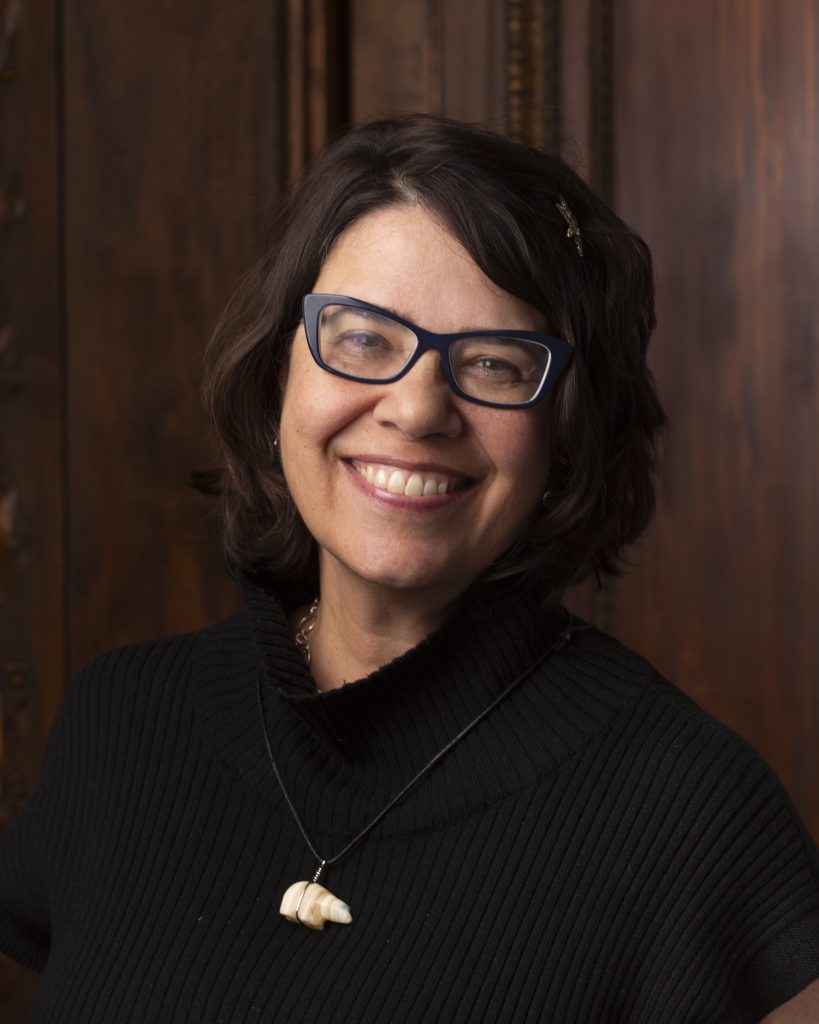
Usha Lee McFarling
Director, Knight Science Journalism Program
I’m a longtime health and science writer who has worked at STAT for the last decade and will be assuming the directorship of the Knight Science Journalism Program at MIT this fall. I’ve learned and benefited so much from being a member of AHCJ, so now I’d like to give back and work on the following initiatives:
Protecting journalists. As an organization, we need to be as outspoken as possible in protecting journalists who are under attack politically, now more than ever as those spreading misinformation seek to drown out our work.
Supporting early career journalists, local journalists, and students. I’d like to help the organization do even more to help support journalists who may not be able to cover health full-time but would still like to improve their skills, attend conferences and workshops, and make health reporting a bigger part of their repertoire. I’d also like to support training for local editors who may only occasionally edit health and science topics and could help improve coverage.
Understanding and using AI. We’re surrounded by new AI tools that come with a lot of hype, but also a lot of power. I’d like to help my colleagues understand these tools, think about their potential as well as their liabilities, and also create a series of hands-on trainings (even if virtual) on how best to use some of these tools to improve our work and our workflow.
Improving representation. We need people from a broader range of backgrounds covering health and how it impacts different communities. I support more outreach to other journalism organizations including NABJ, NAHJ, AAJA, and IJA to find ways we can be more welcoming and supportive to journalists who wish to focus on health but haven’t found an entry point. This will improve both our field and our organization.
Other interests: The topics above excite me most, but as a new board member, I’d be happy to work in whatever capacity I could be most useful. I’m also interested in continuing work on streamlining and updating AHCJ contests and on finding ways to support freelancers, especially those who are transitioning into freelancing from staff positions, and on helping reporters include more thinking about bioethics as they report on health topics.
My background: I have been a health and science reporter for more than three decades, working at newspapers large and small, from the San Antonio Light to the Los Angeles Times, and most recently for STAT. I won a Pulitzer and Polk award for a 2006 series on the diseased state of the world’s oceans and more recently, in 2021, was the proud recipient of an AHCJ award for beat reporting for pioneering a new beat at STAT on how race impacts health and medicine.
AHCJ Experience
I have been a recipient of an AHCJ conference travel award and an AHCJ International Health Study Fellowship. I plan to volunteer as a local member and field trip leader at the upcoming AHCJ meeting in Los Angeles and hope to see many of you there.
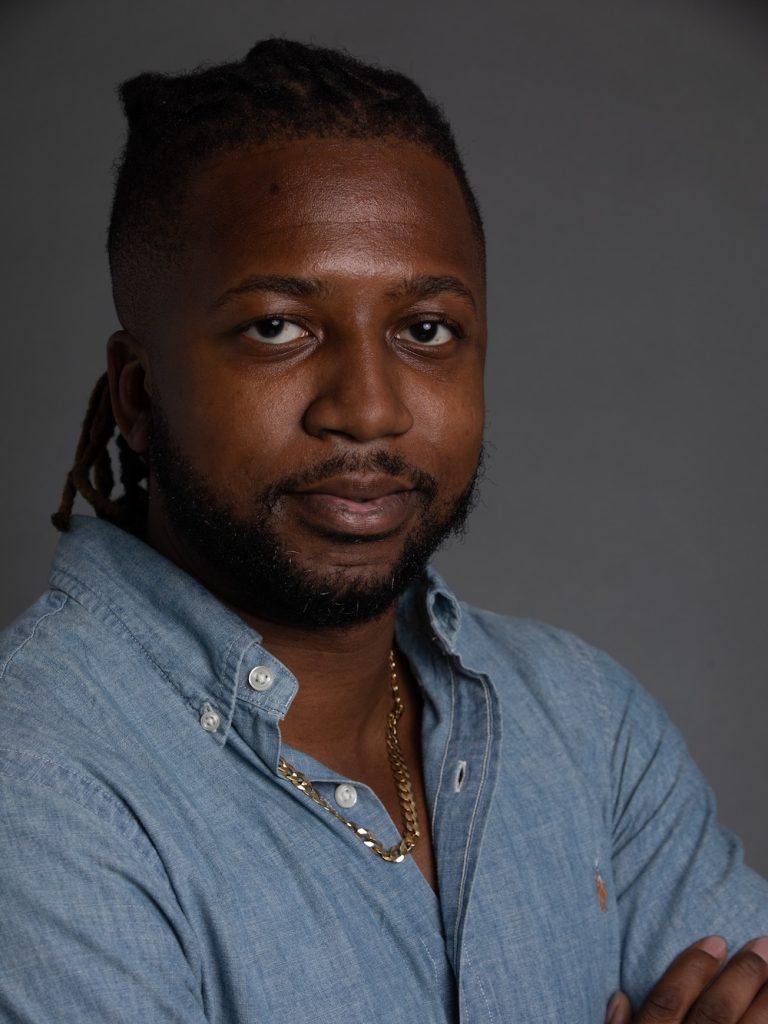
Josh McGhee
Chicago bureau chief, MindSite News
I’m the Chicago Bureau Chief at MindSite News, the only national news outlet focused specifically on mental health news. As an investigative reporter, I cover the intersection of mental health and criminal justice using public records and data analysis. As bureau chief, I lead our coverage in Chicago and the Midwest. My award-winning reporting has looked at the mental health issues that encumbered a neighborhood after the viral shooting of Dexter Reed, the racial disparities in police violence when responding to mental health calls and the suspicious death of a man in solitary confinement in New Jersey State Prison.
I’m running to be an AHCJ board member to:
- Prioritize mental health as an essential beat within healthcare reporting. As a member of AHCJ, I’ve been able to participate in panels examining the overlap between health care, mental health care and criminal justice. As a board member, I’d push to include mental health as a key focus of conference panels and programming.
- Spearhead collaboration with other journalism organizations. I want to ensure we’re sharing the necessary skills to be the best journalists we can be. This may look like collaborating with Investigative Reporters and Editors to teach data analysis, the National Association of Black Journalists to understand racial bias or the National Association of Hispanic Journalists to elaborate on the healthcare issues facing new migrants.
- Diversifying our membership. While AHCJ’s membership has made it one of the strongest journalism organizations today, it’s time to ensure our organization thrives by securing a more youthful and racially diverse future. At a time when journalists of color are once again fleeing the field, it’s essential for us to invite them into our community and help them succeed.
A little more about myself: Over the past few years I’ve been honored to have served as a Carter Center Fellow and a Maynard Institute Fellow. My stories have appeared in The Guardian, The Chicago-Sun Times, the Miami Herald, The Kansas City Star, the Sacramento Bee, WBEZ, The Imprint and many other publications. I’ve also received a Studs Terkel Community Media Award for my reporting in Chicago, along with three Peter Lisagor awards for excellence in journalism. I also serve on the Advisory Council for the Investigative Project on Race and Equity.
Thank you for the potential opportunity to represent you on the AHCJ board.
AHCJ Experience
Since joining AHCJ, I’ve donated my knowledge and experience to members via panels, mentorship and collaboration. I’ve spoken on the following panels:
- At the AHCJ conference in St. Louis, I spoke on a panel titled “Dangerous Intersection: investigating criminal justice and mental health.”
- In December 2023, I spoke on the AHCJ webinar “Getting a Grant or Fellowship to Support Your Narrative Journalism Project.”
- In November 2024, I organized and moderated a panel at AHCJ’s fall summit in Washington D.C. titled “Filling the gaps in the crisis care continuum.”

Tammy Worth
Independent journalist
After 15 years as an AHCJ member and almost as many as a volunteer with the association, I joined the AHCJ board to give back to an organization that has given so much to me throughout my career. I serve as co-chair of the Membership Committee (with Michele Cohen Marill), and I’m a long-time member of the Freelance Committee. I’ve attended about a dozen annual conferences, where I have moderated panels and assisted with Pitchfest and field trips. I originated the Market Guides, which are posted on AHCJ’s website and offer information on publications to help freelancers pitch to different markets.
As a co-chair of the Membership Committee, I have helped reach out to lapsed AHCJ members to encourage them to reup with the organization or to find out why they choose to leave. This knowledge helps us to better serve all our members. I also head the committee’s diversity, equity and inclusion efforts. This group was tasked to create guidelines for panel moderators at the annual conference and other educational events. We did this as part of AHCJ’s larger efforts to build an organization where all feel welcome and appreciated. If I am re-elected, I hope to continue in this role, coming up with new ideas to reach out to journalists from underrepresented communities and to assist AHCJ staff with their ongoing DEI work.
I also feel I have an important voice on the board as a freelance journalist. When I joined the organization, freelancers were a small portion of the AHCJ’s membership; today we make up more than one-third of its members. Just fewer than half of the board members are freelance writers and I feel we need to continue that representation.
Freelance journalists have needs that are unique from those of staff reporters, and it’s important that our voice is heard. This is particularly crucial during the planning for the annual conference, as freelancers require robust financial support to be able to attend and they have specific educational needs. As a freelancer, it can often be isolating to work at home without colleagues; I have helped organize and moderate monthly networking sessions known as Lunch & Learn. Here, freelancers have an open space to talk about the ins and outs of the industry and to learn about tools and strategies that can help move their career forward.
I’m have a bachelor’s degree in English and a master’s in journalism from Northeastern University in Boston. I’m a former weekly newspaper staffer and have worked as a freelance writer for 18 years. During that time, I’ve written for many publications, including Nature, the Washington Post, the Economist, Health.com and WebMD.
AHCJ Experience
- Annual conference volunteer — PitchFest, field trips, panel moderator.
- Writer for freelance market guides.
- AHCJ Freelance Committee member.
- AHCJ Board — one term.
- AHCJ Membership Committee co-chair (DEI head).