As I wrote recently, the Justice40 Initiative, launched in 2021, was the first serious federal attempt to correct the United States’ legacy of environmental injustice — the systemic neglect of and disinvestment in low-income and nonwhite communities that has exposed them to disproportionate pollution and climate change consequences. I then called for more reporting on the pervasive effects of the ending of this policy.
To demonstrate the sheer scope of the effects, I have compiled a list of places and projects that have been affected and have already been reported on. The list of examples below can help journalists consider where they might find stories about the Justice40 cuts in their coverage areas — as well as topic areas that have received little to no coverage at all. Examples of reporting on cuts to the Justice40 initiative include:
Pollution cleanup and monitoring efforts
Journalists are tapping into regionally detailed sources — EPA grant databases, local project lists, and coverage by research and advocacy organizations — to document exactly which cleanup or monitoring efforts are now unfunded.
- Kansas City, Missouri: A $1 million grant for soil lead mitigation was canceled.
- North Mecklenburg County, North Carolina: A $500,000 grant for air quality monitoring was terminated, affecting low-income communities near old asbestos factories, freeways, and industrial complexes where asthma and heart disease are prevalent.
- In New Jersey, Newark’s Ironbound district has some of the worst air quality in the country, and its efforts toward cleaner air may have funding trouble.
- The nonprofit Childhood Lead Action Project, which works to end childhood lead poisoning in Rhode Island, lost a $500,000 grant.
- The Native Village of Tyonek, Alaska, was awarded $20 million to renovate or replace homes contaminated with asbestos and lead and connect them to solar panels—a huge relief, considering that monthly electricity bills range between $300 and $800, causing many to heat their homes with wood. Now the funds are frozen.
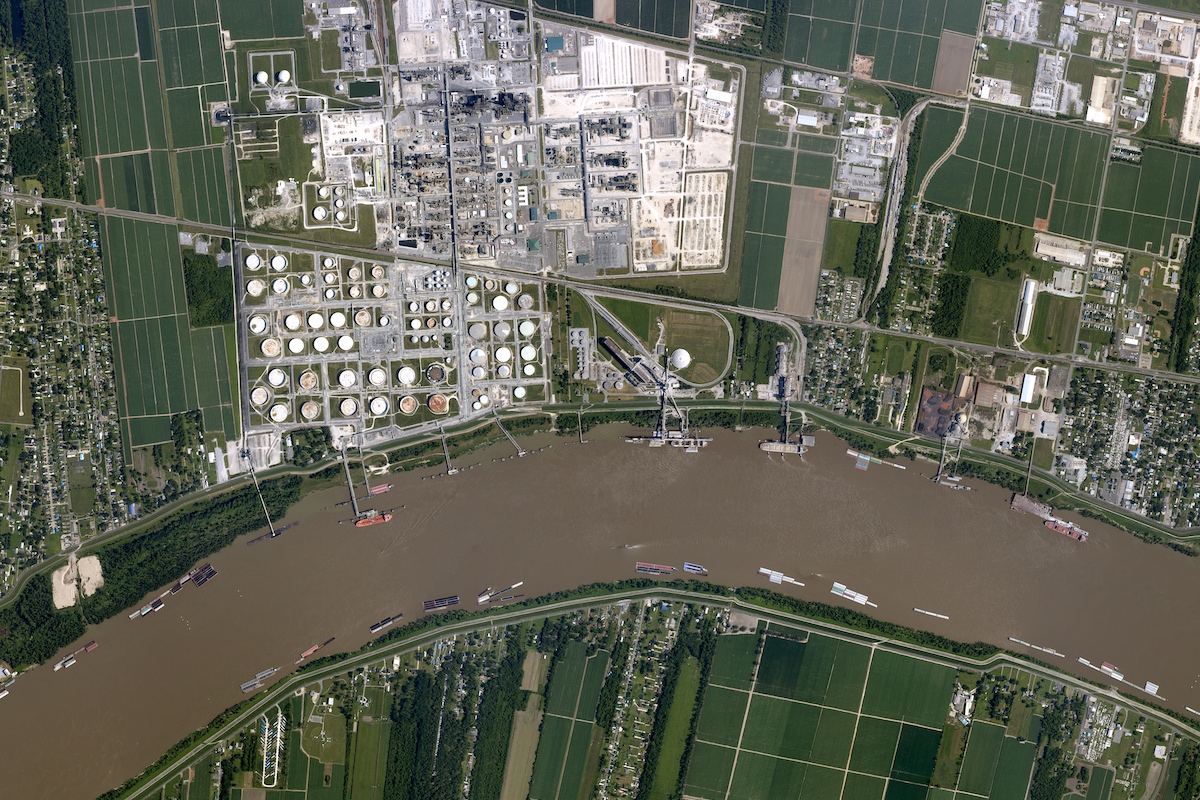
- Louisiana’s Cancer Alley: Communities grappling with high rates of cancer due to the petrochemical industry will experience reduced monitoring and support.
- North Birmingham, Alabama: This historically Black neighborhood faces contamination from old industrial plants and is impacted by cuts to programs designed to ensure equal protection for clean air, water, and land.
- In Hampden County, Massachusetts, where there are high air pollution levels and high prevalence of children with asthma, a three-year $1 million grant meant to fund in-home projects to reduce asthma risk was terminated.
- In Boulder, Co., community groups like FLOWS (Foundations for Leaders Organizing for Water and Sustainability) lost critical EPA funding after Justice40–linked grant programs were abruptly canceled. Projects including clean drinking water initiatives and coal-ash monitoring efforts are now stalled.
- Coverage in South Philadelphia shows how groups like Philly Thrive, which were tracking refinery emissions and advocating for cleanup, now face setbacks. They report increased exposure to benzene and ongoing pollution without federal support.
Long overdue city and county infrastructure projects
Many local government infrastructure projects that present public health issues have been disrupted. Journalists can use the Climate and Economic Justice Screening Tool (CEJST) map to identify which census tracts previously qualified for Justice40 funding and then contact local officials to learn whether projects — like lead pipe replacements or wastewater upgrades — have stalled. Reporters are scrutinizing planning documents, grants databases and municipal budgets to trace these disruptions.
- Alabama’s Black Belt: A $14 million grant aimed at installing wastewater treatment systems in 17 counties was canceled, leaving residents vulnerable to infections like hookworm due to a lack of proper septic systems.
- Adelanto, California, is unable to access funds for improving the city’s wastewater treatment facility.
- A $20 million water treatment project in Thomasville, Ga., was set to avert major public health issues, until the grant was terminated unexpectedly in May.
Climate resilience and adaptation projects
Major funding areas for Justice40 included Climate Pollution Reduction Grants and the Urban and Community Forest program, offering specific places to look for grantees that have lost funding and have not received coverage.
- Tree planting projects meant to offer shade and mitigate pollution in New Orleans, St. Petersburg, Oklahoma City, Jackson County in Oregon, and many other disadvantaged communities throughout the United States were disrupted.
- The Native Village of Kipnuk, Alaska, had been promised $20 million for riverbank stabilization to mitigate flooding, and now that funding is frozen.
- Maryland was awarded $670 million in Climate Pollution Reduction Grants to implement a variety of projects that bolster clean energy use and mitigate air pollution and climate change, such as electric vehicle charging stations along interstates and carbon sequestration projects on public lands. These projects are now in jeopardy. Thirty states are affected by these grants.
A little math will show that only a fraction of the $600 billion that the Justice40 Initiative affected has received any journalistic attention at all. Can you find the missing pieces?