2025 Rural Health Journalism Workshop
AHCJ’s annual Rural Health Workshop in Atlanta on Aug. 21 brought together journalists, researchers, policy experts and service providers from across the country to talk about the state of rural health care access and, especially, the impact of federal spending cuts.
Jump to: Session summaries and recordings
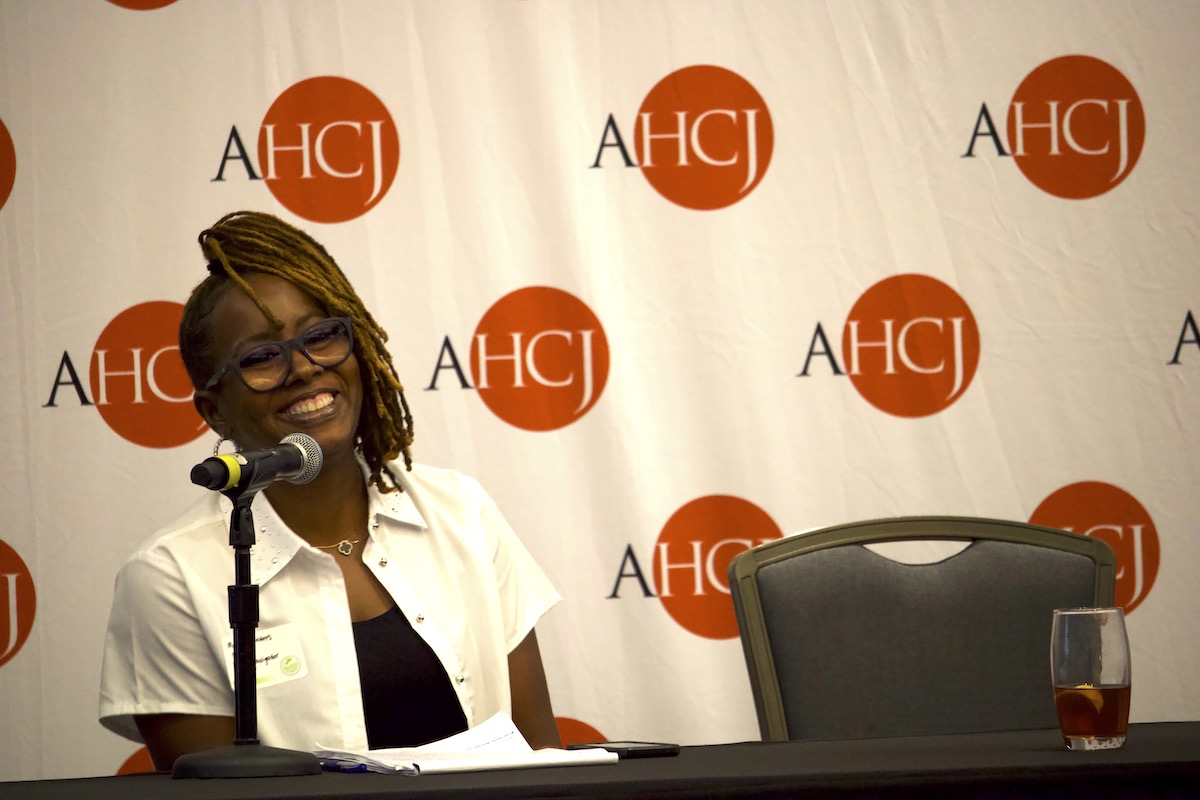
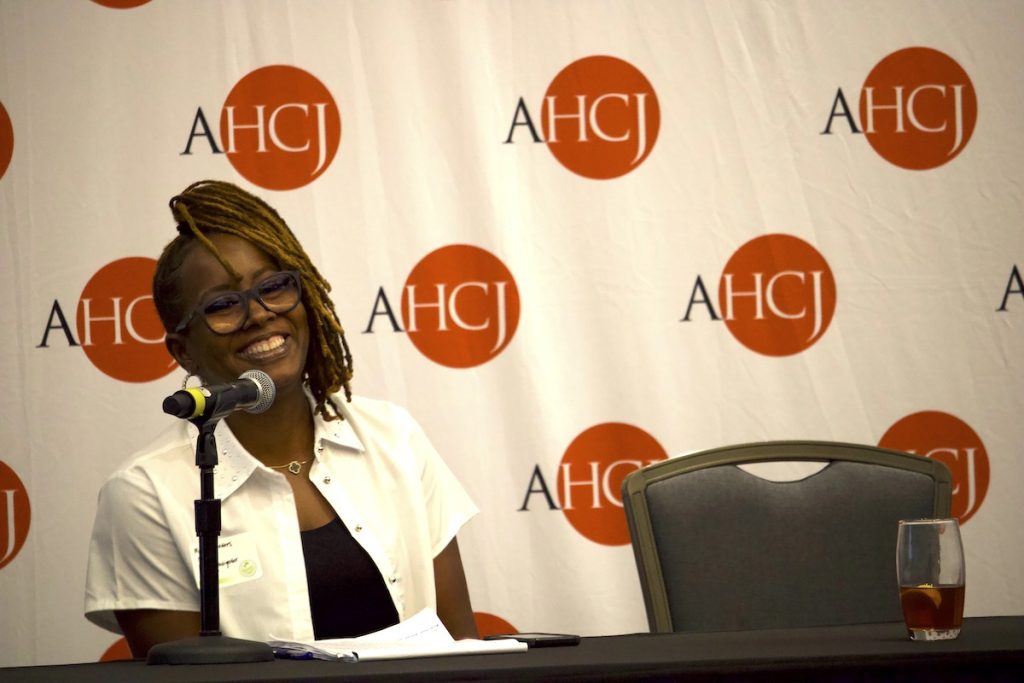 Megan Waiters with Community Service Programs of West Alabama, Inc., said some of her clients’ health improved as they learned basic online skills. Photo by Kevin Ridder
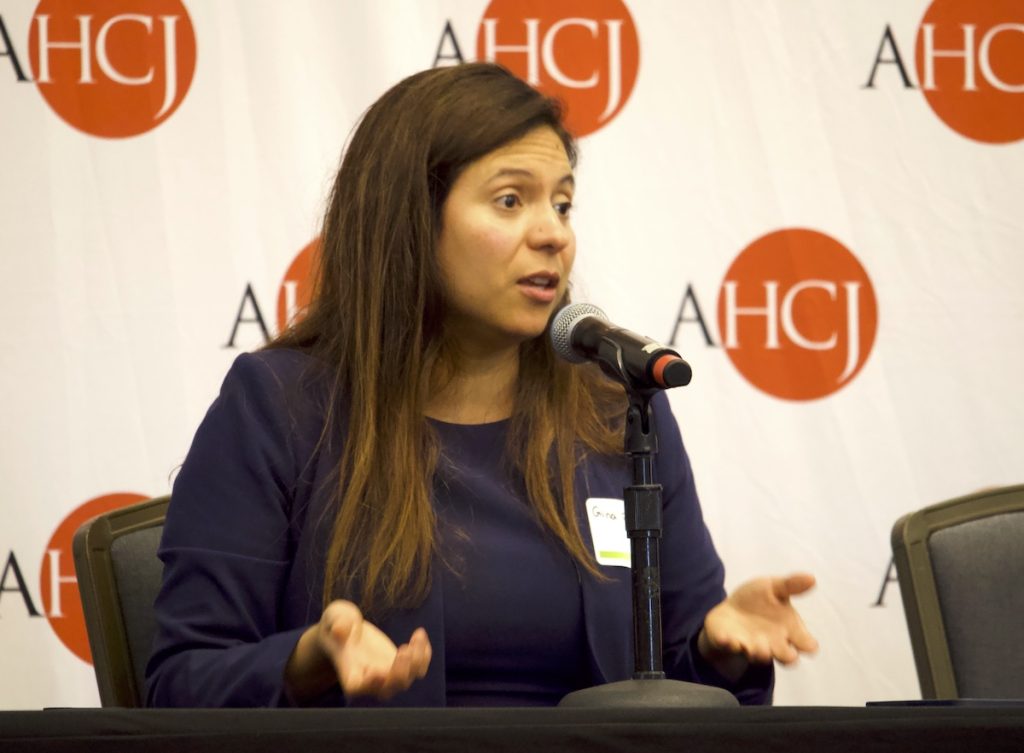 Gina Plata-Nino, J.D., talks about how Trump’s tax bill will slash SNAP benefits. Photo by Kevin Ridder
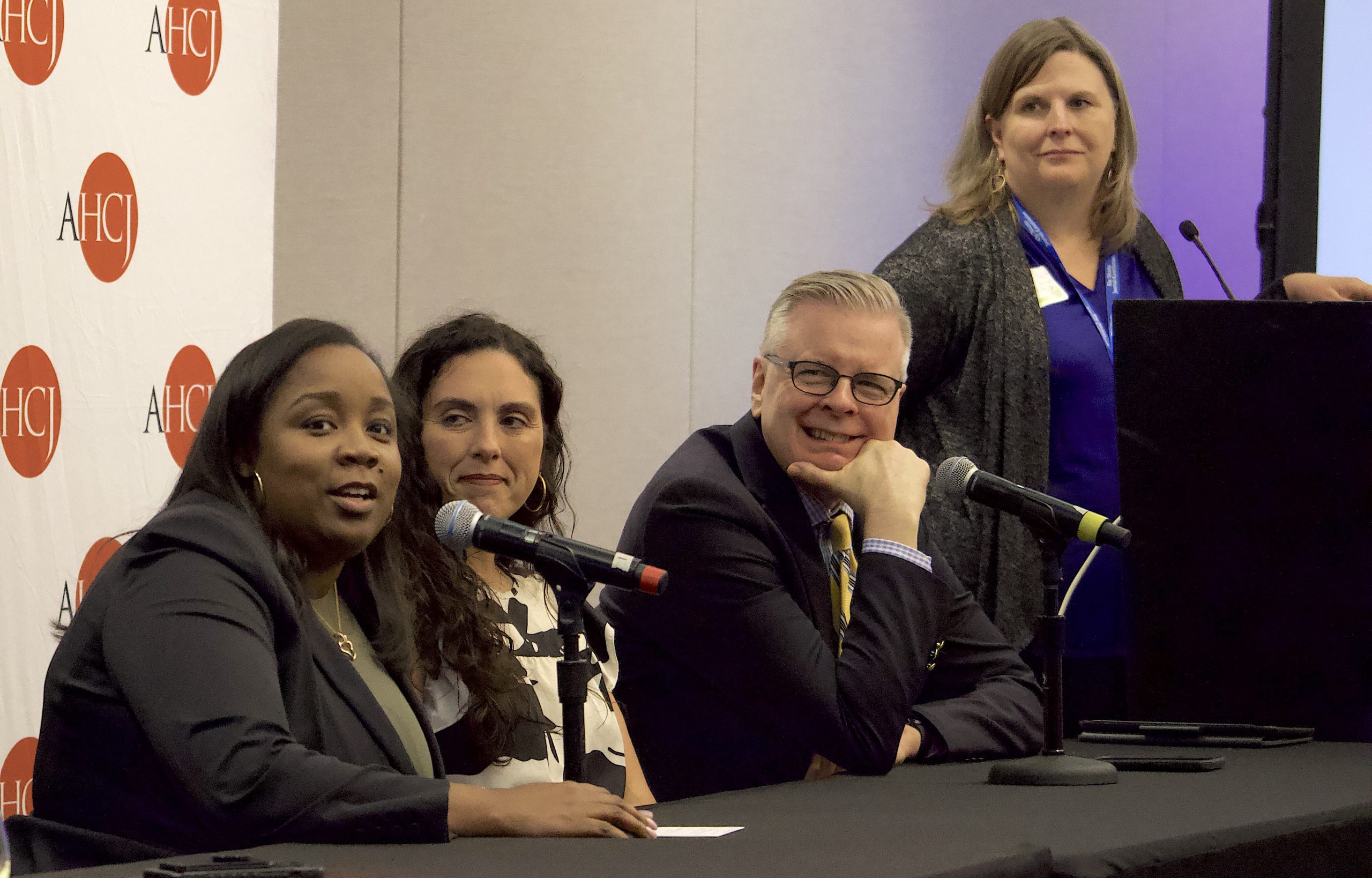
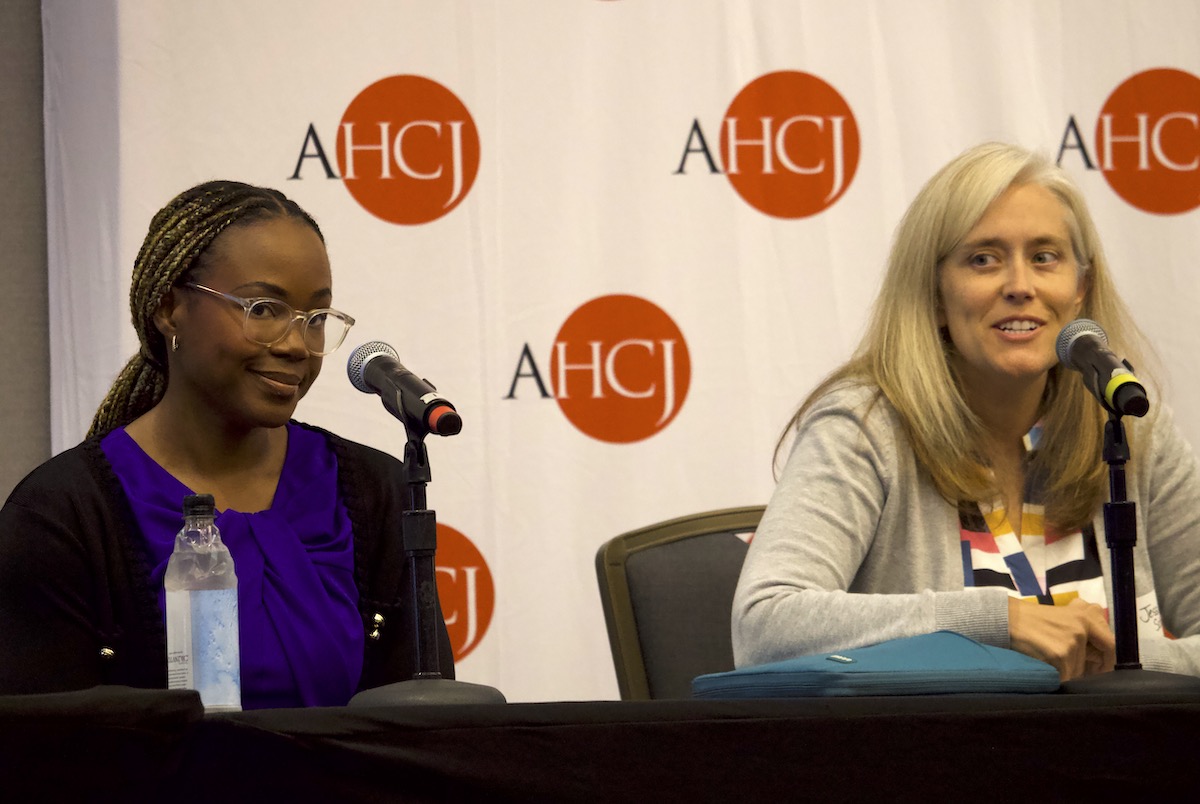
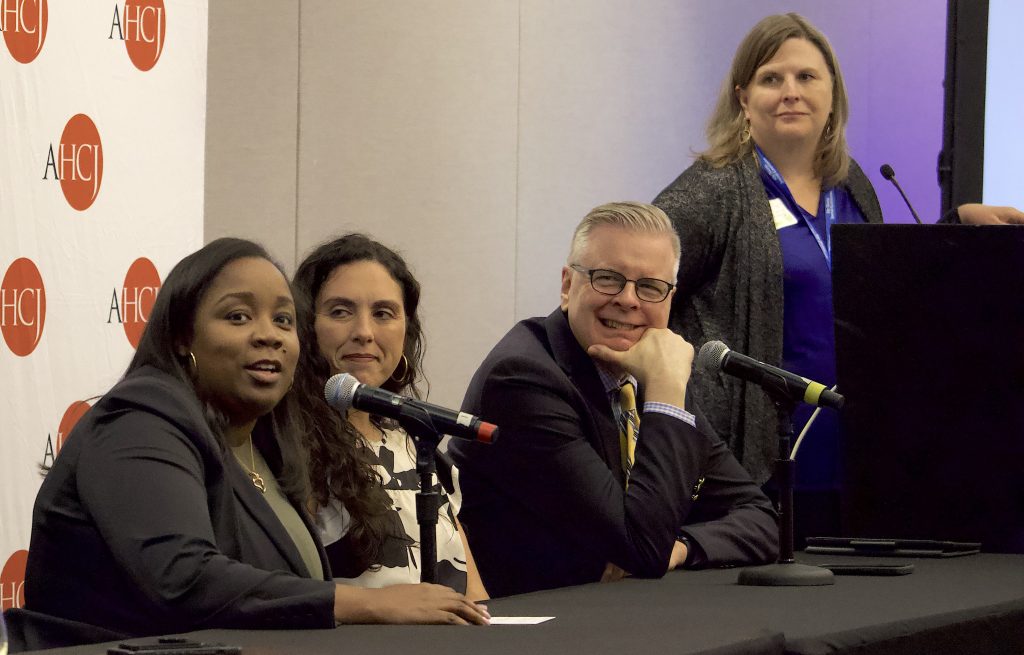 From left to right: Sheena Favors, D.O., M.S.; Nikki Bryant, PharmD; Brock Slabach, MPH; and Ariel Hart during the voices from the front line workforce panel at Rural Health 2025. Photo by Kevin Ridder
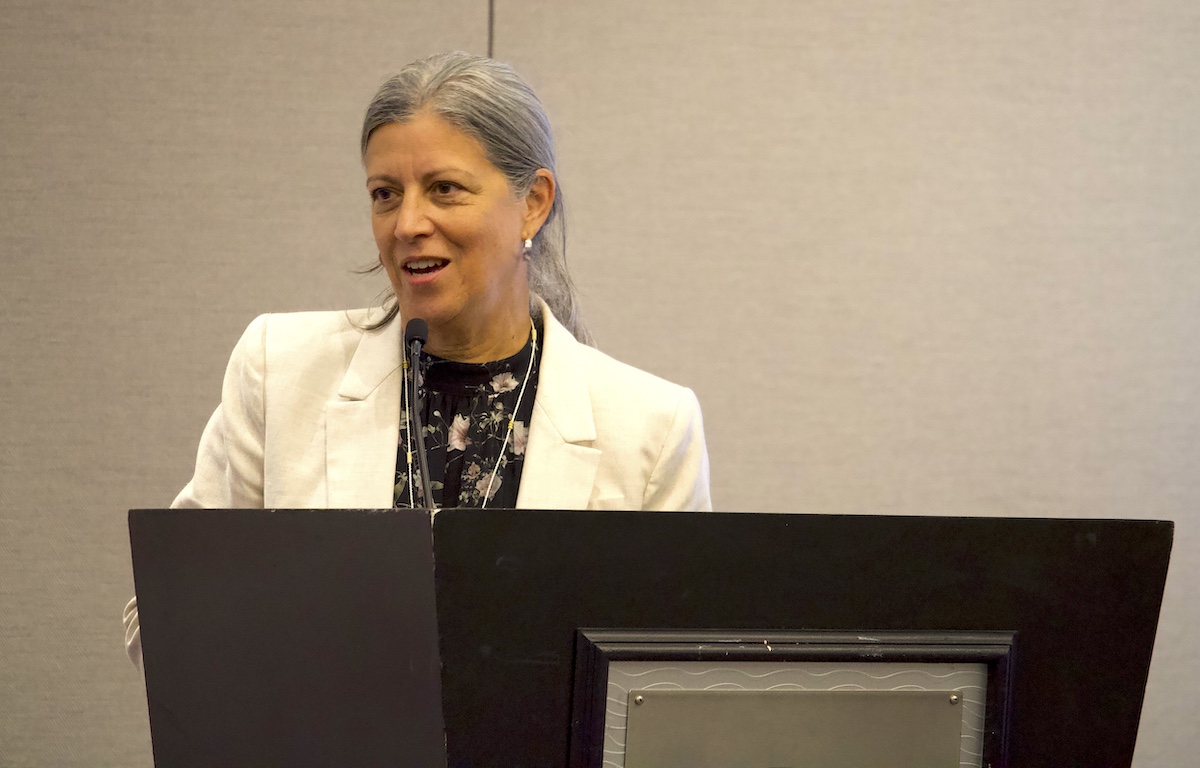
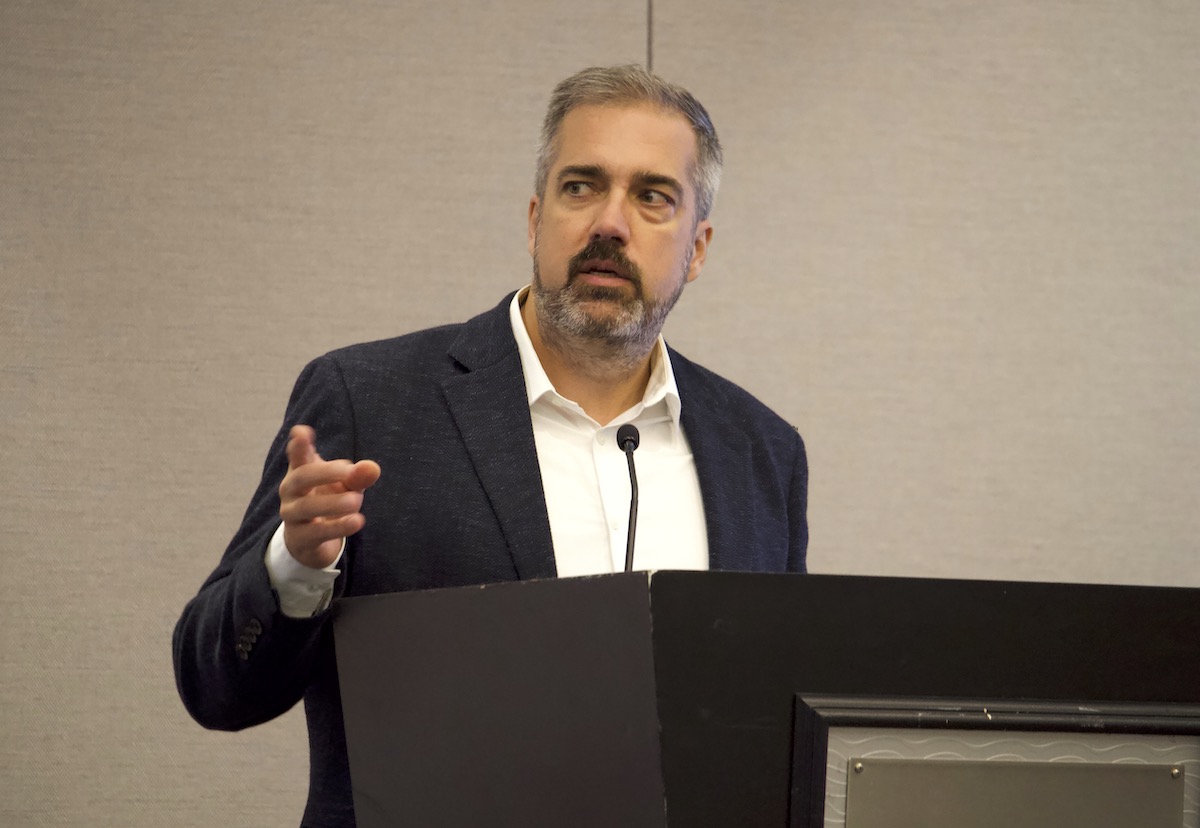
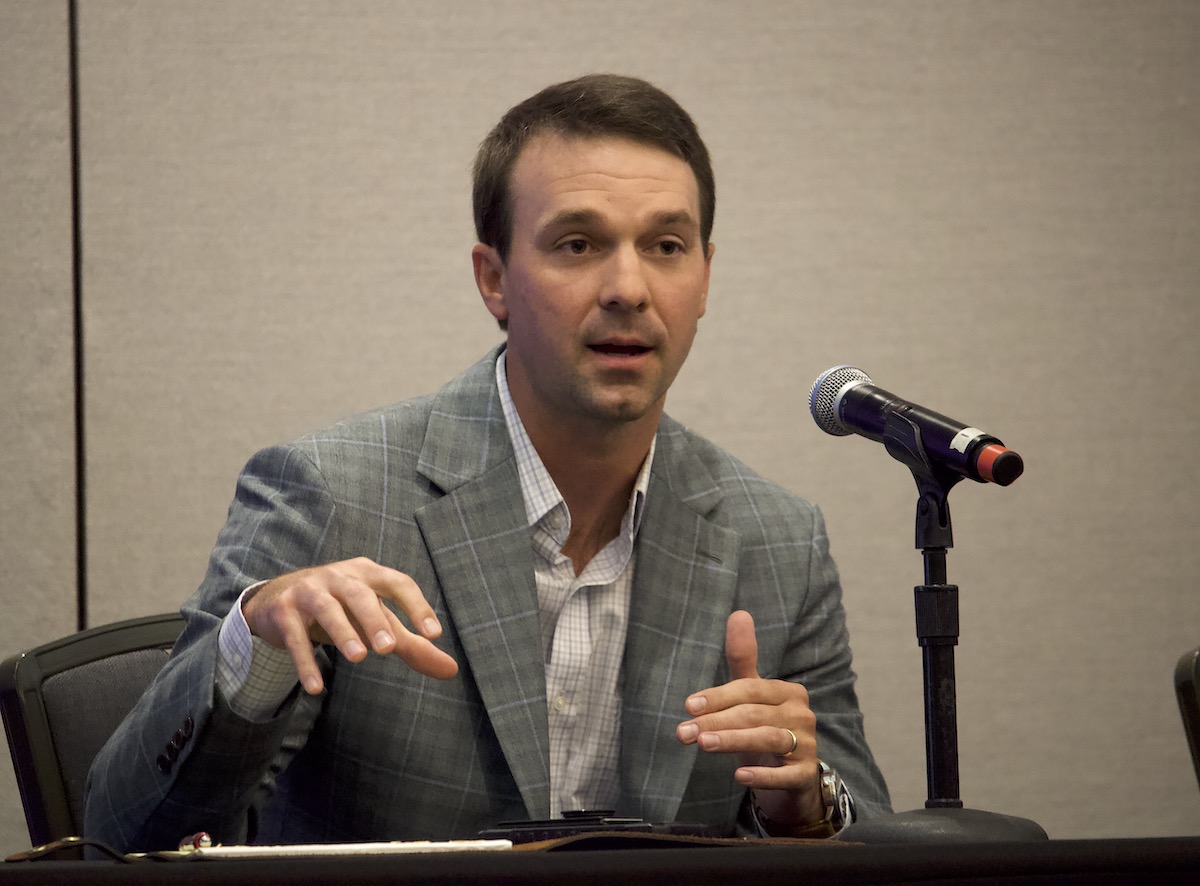
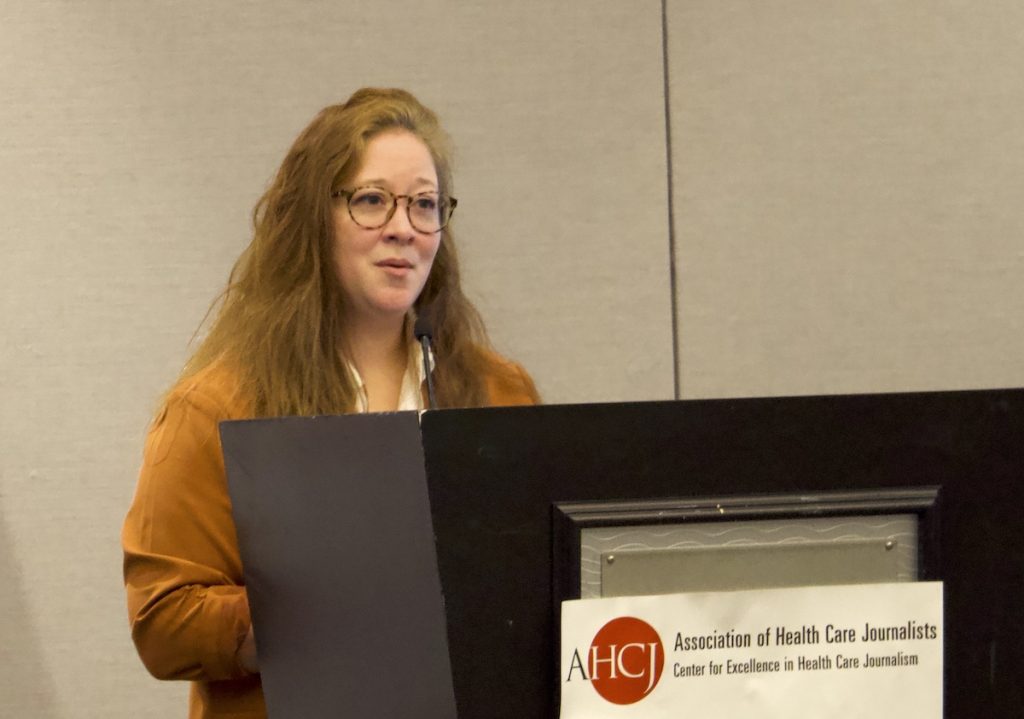 Casey Balio, Ph.D., speaks at the 2025 Rural Health Journalism Workshop. Photo by Kevin Ridder
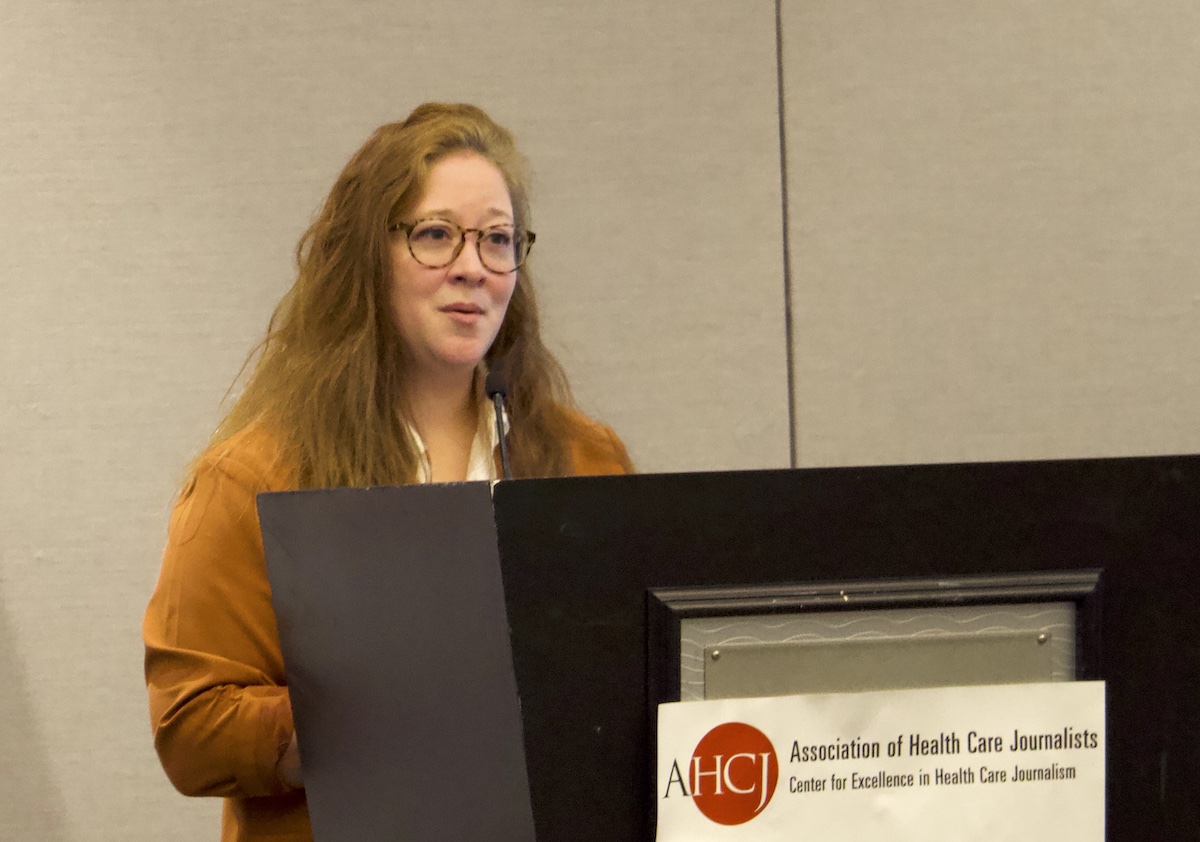
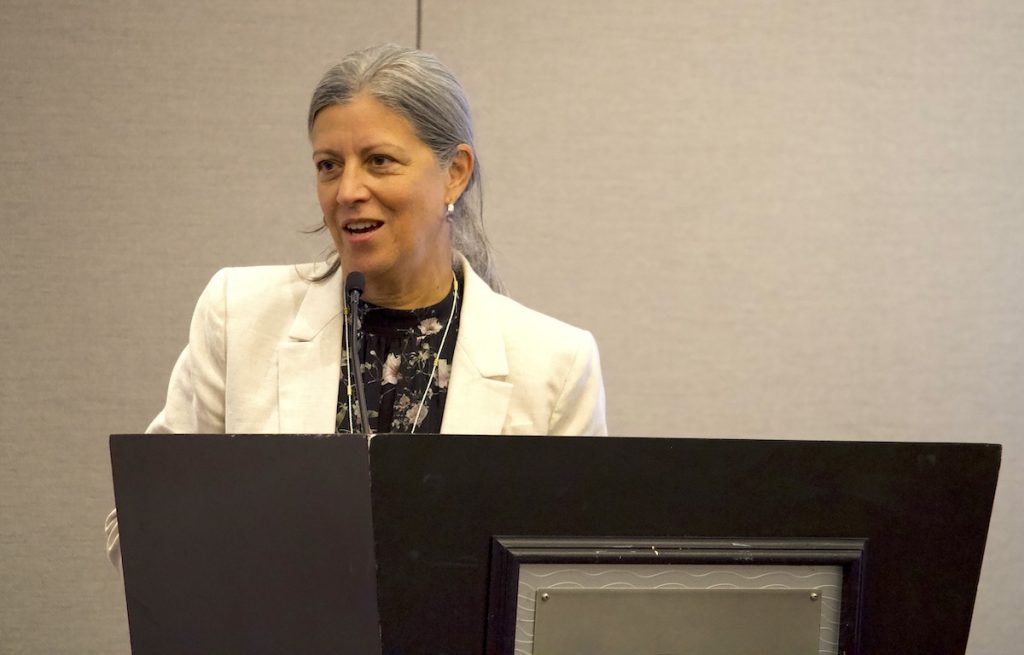 Katherine Reed, AHCJ’s director of education and content, speaks at the Rural Health Journalism Workshop. Photo by Kevin Ridder
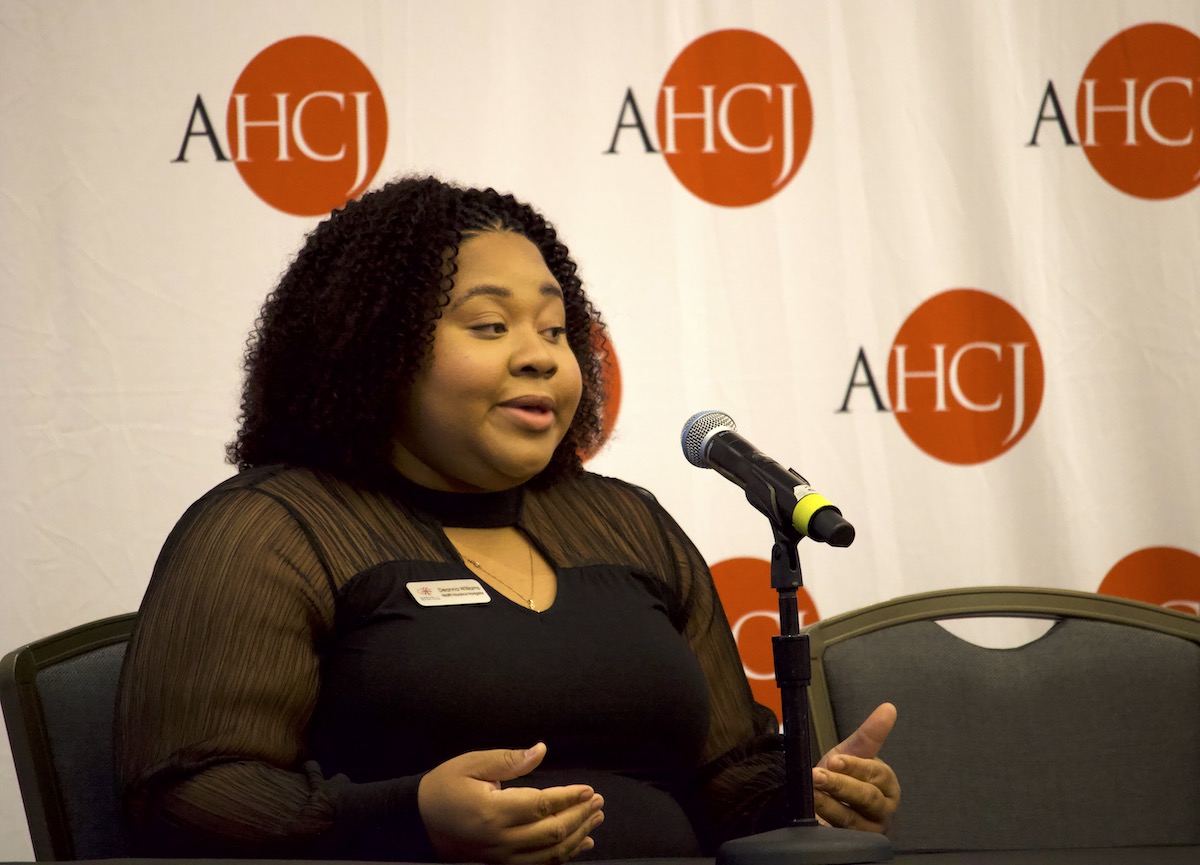
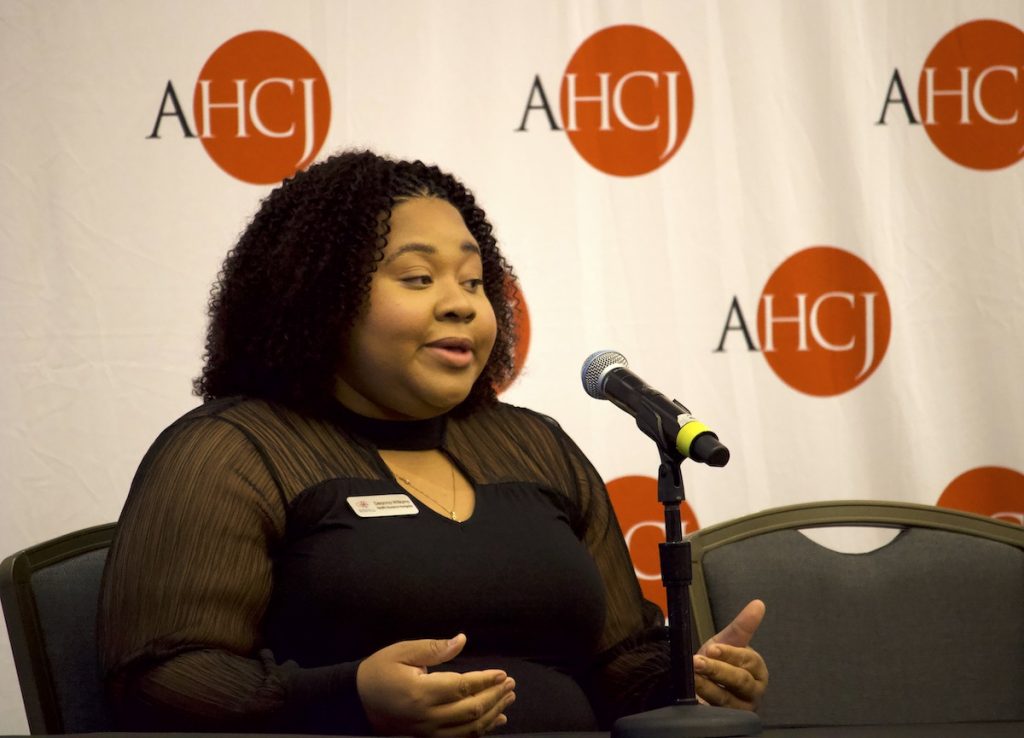 Central Georgia insurance navigator Deanna Williams discusses challenges with Medicaid work requirements in Georgia. Photo by Kevin Ridder
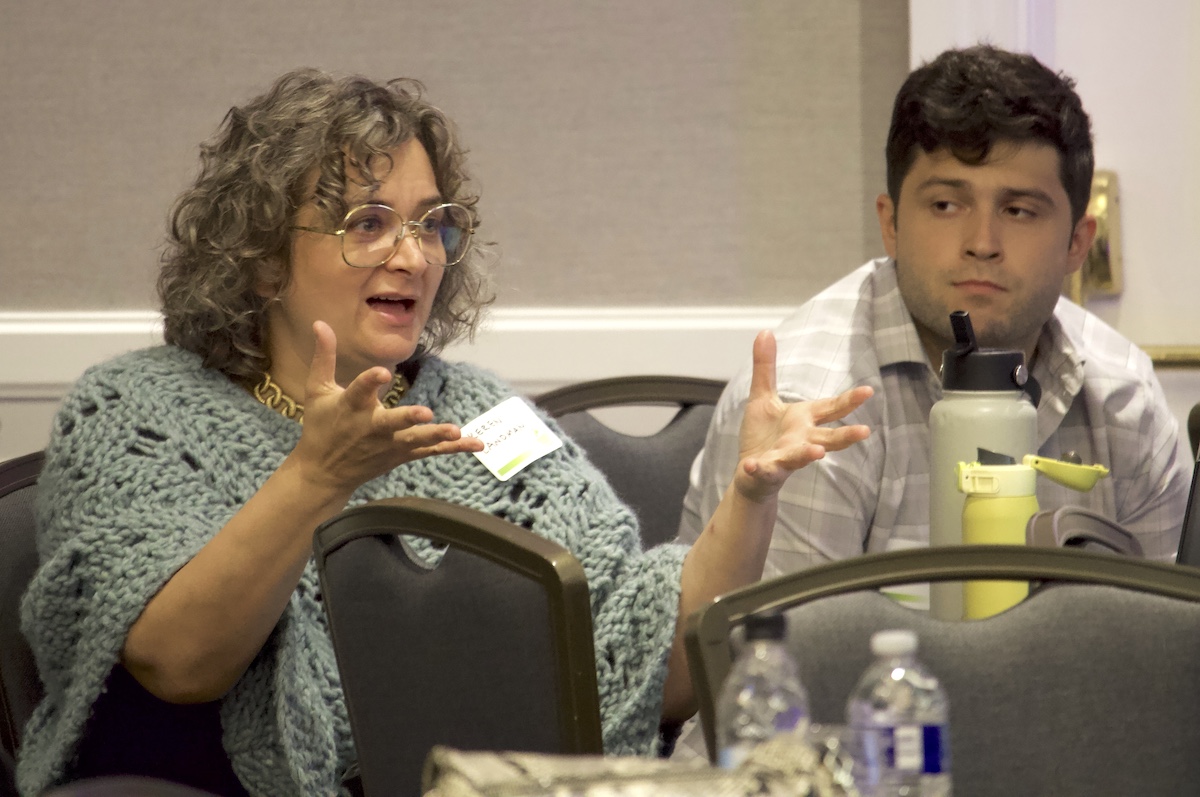
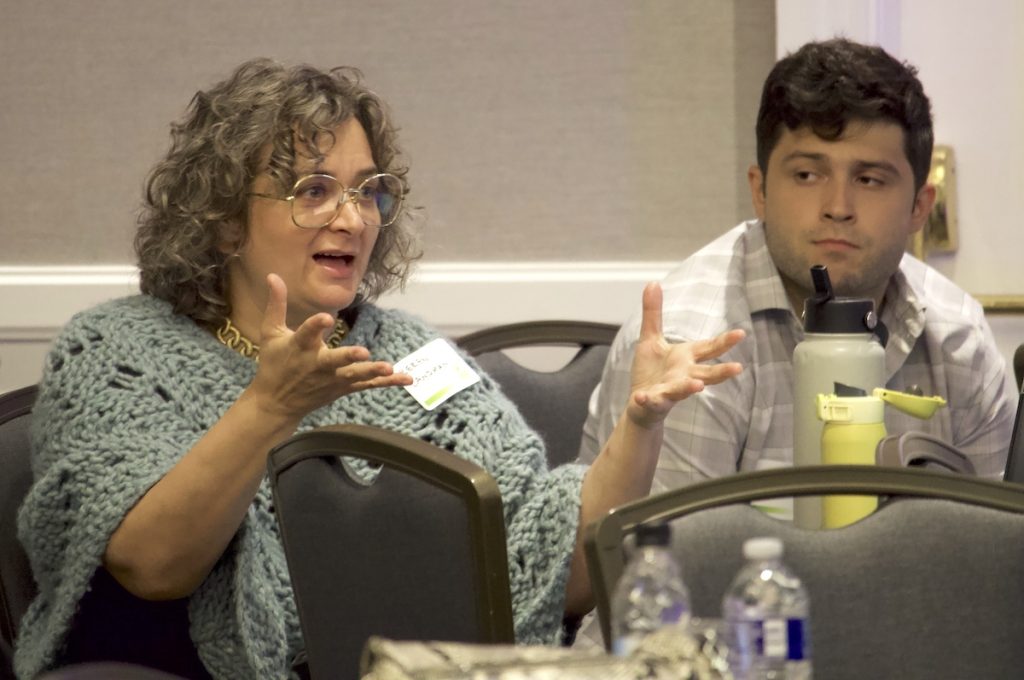 Independent journalist Keren Landman, M.D., asks a question at the 2025 Rural Health Journalism Workshop. Photo by Kevin Ridder
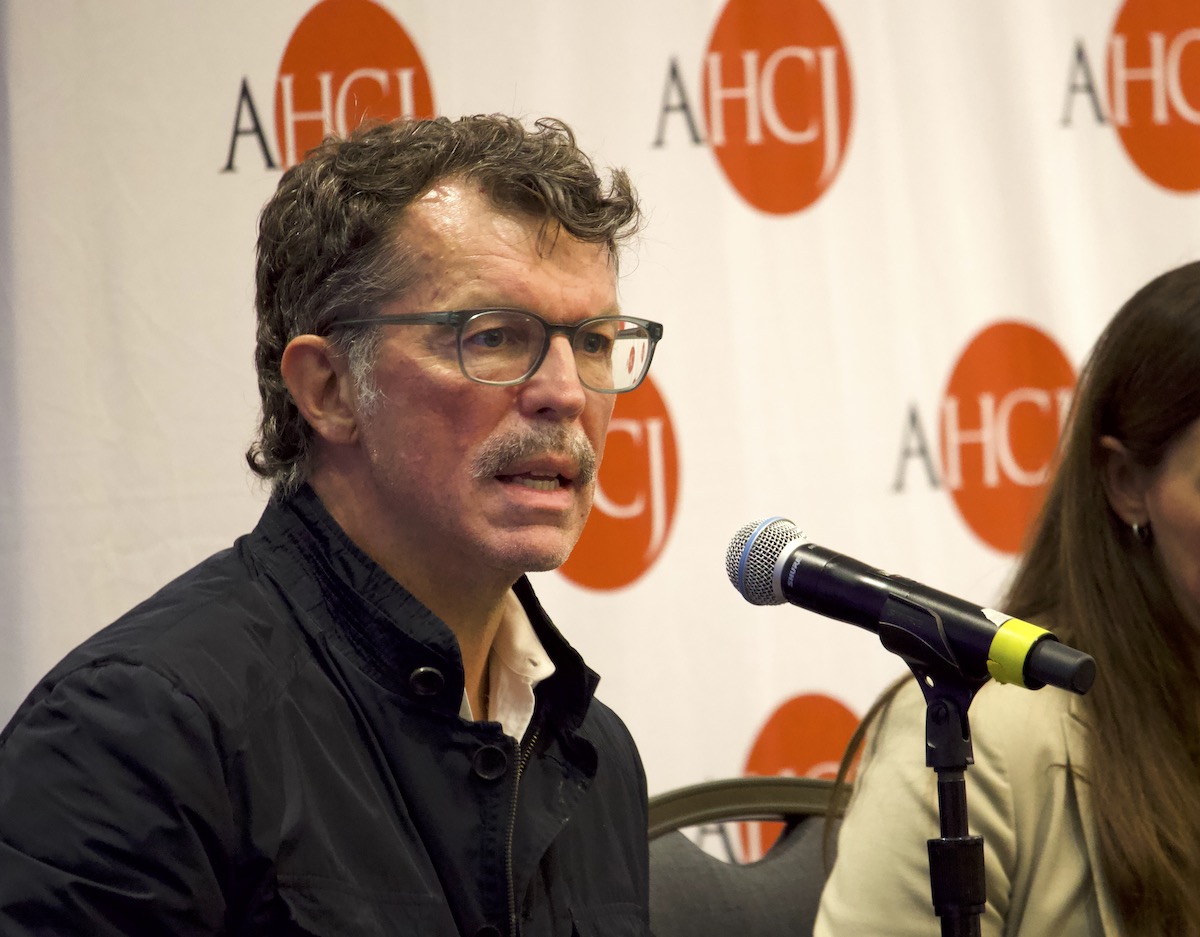
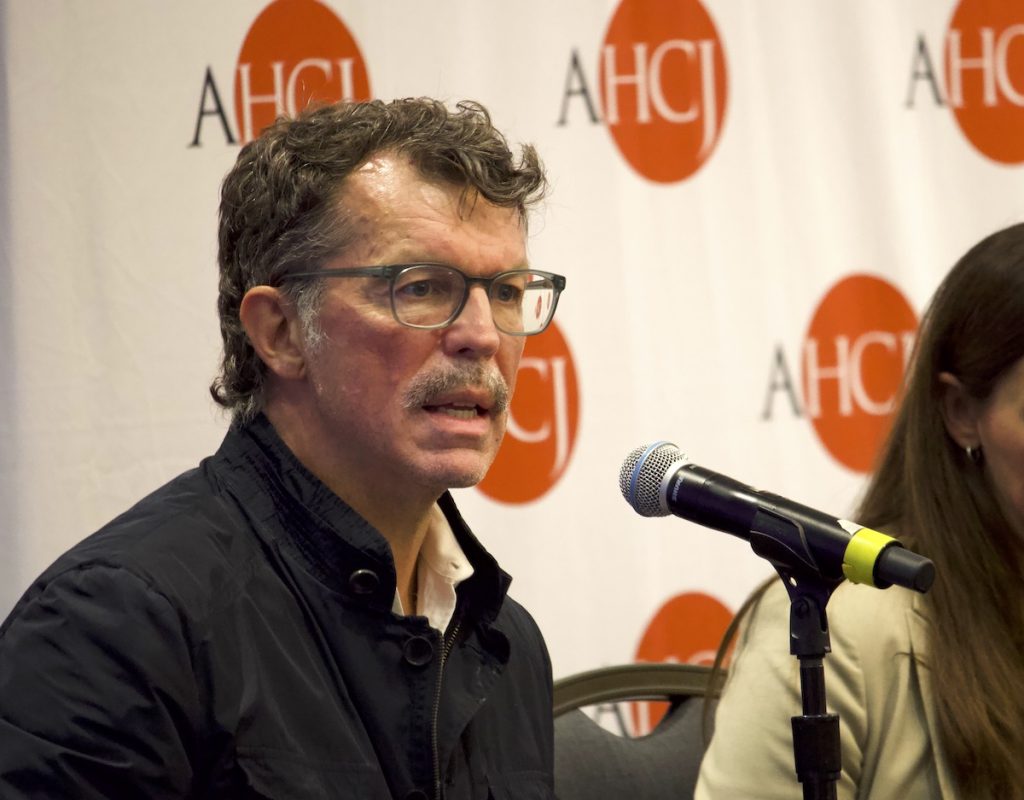 Former ACIP member Noel Brewer, Ph.D., talks about the game-changing removal of 17 experts from the committee. Photo by Kevin Ridder
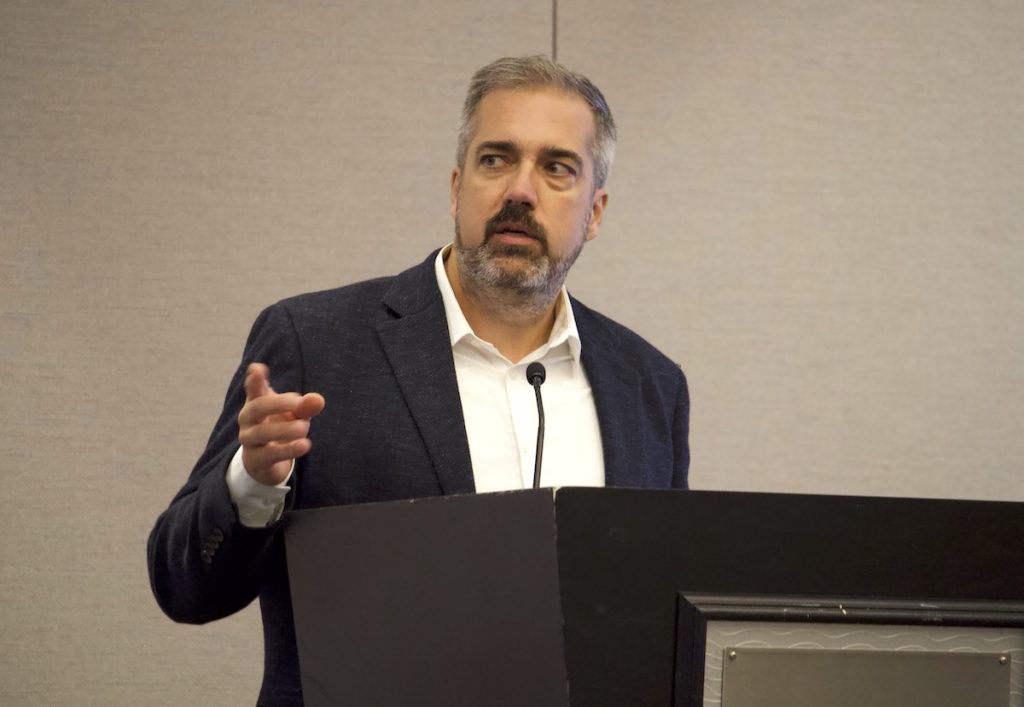 Eric Lind, Ph.D., emphasizes how long travel times to care providers can negatively impact essential health services. Photo by Kevin Ridder
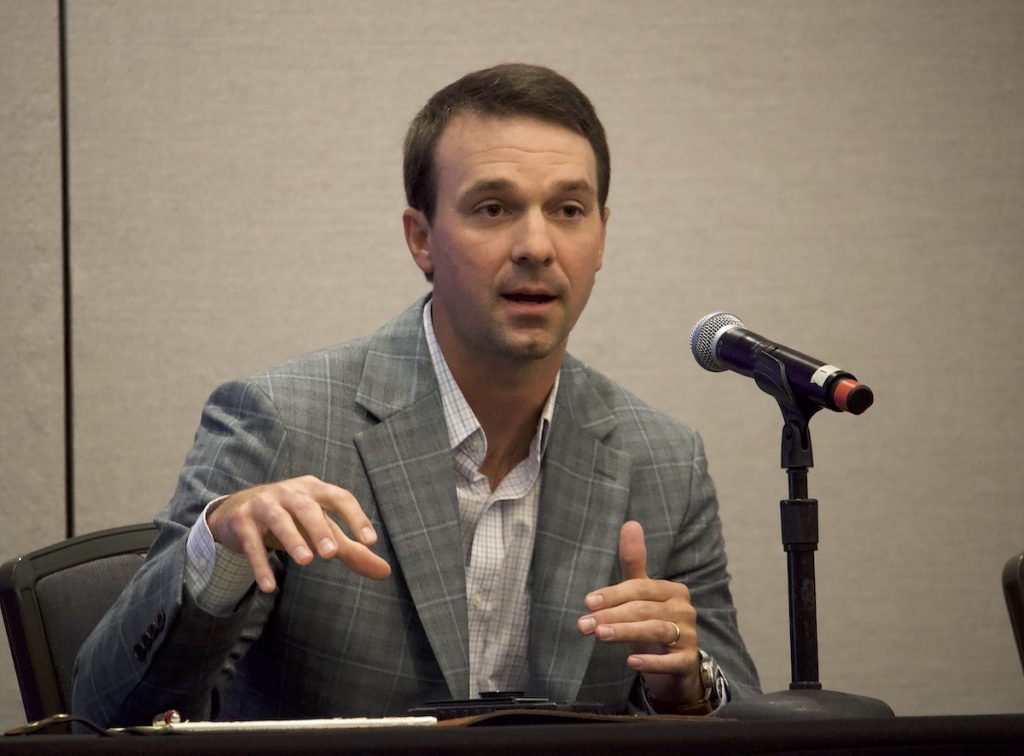 Spencer Windham emphasized the need for creative solutions to retain staff during a panel at the 2025 Rural Health Journalism Workshop. Photo by Kevin Ridder
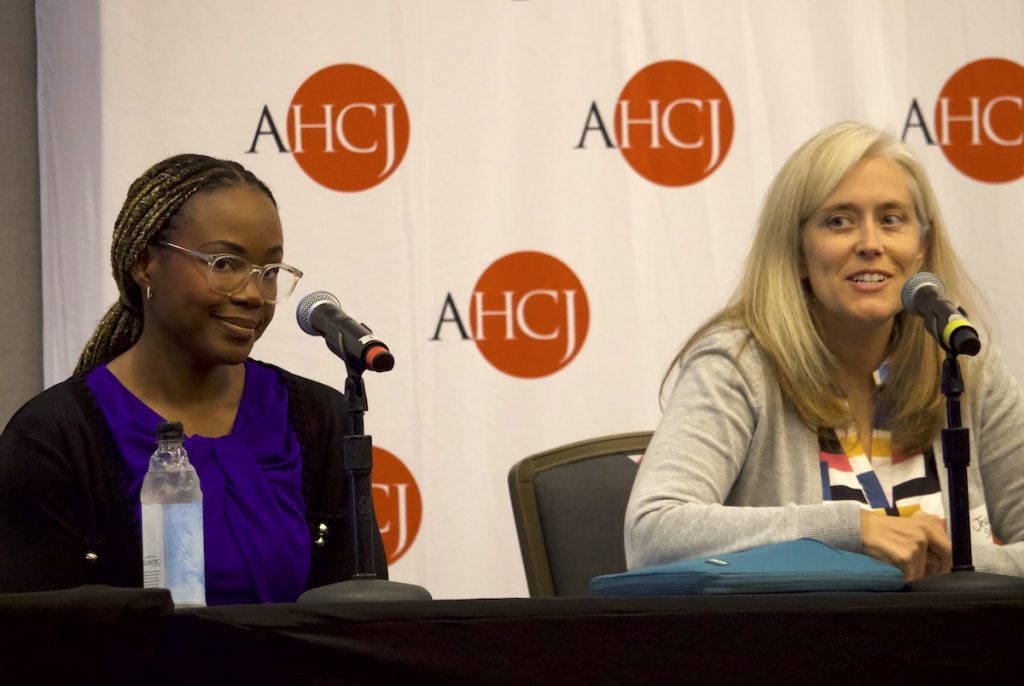 Panelists Irene Walker, MPH (left), and Jessica Shcwind, Ph.D., MPH (right), speak about the opioid epidemic’s toll on rural America. Photo by Kevin Ridder
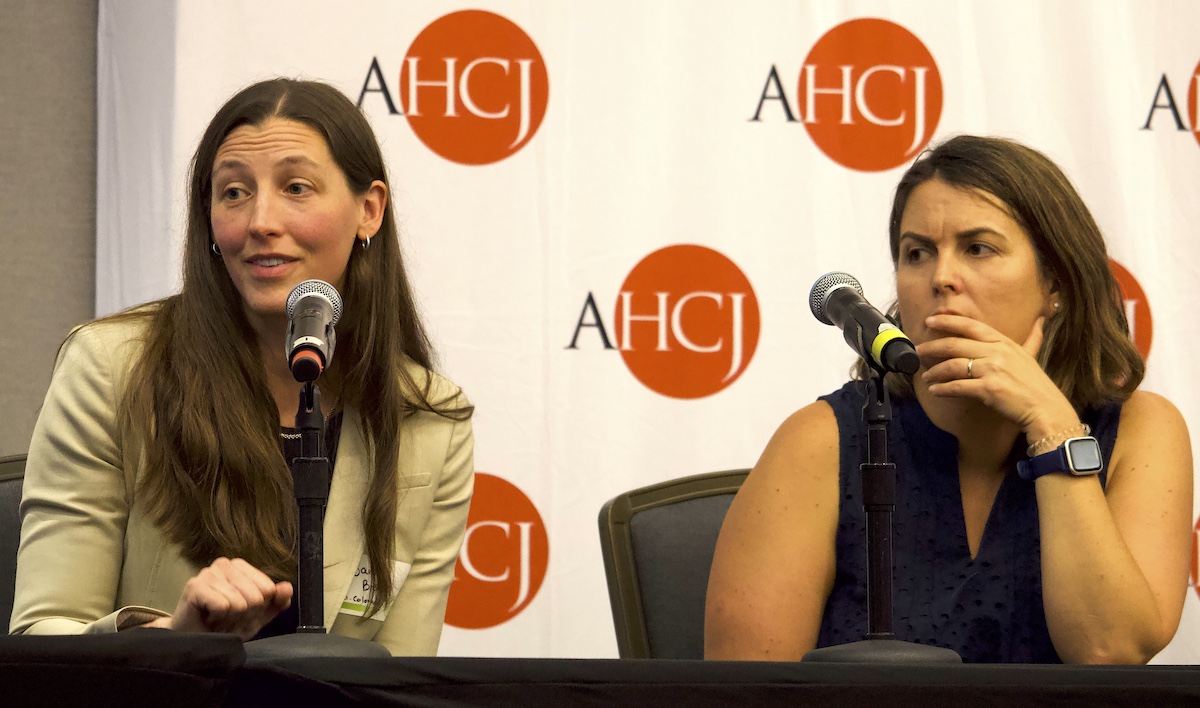
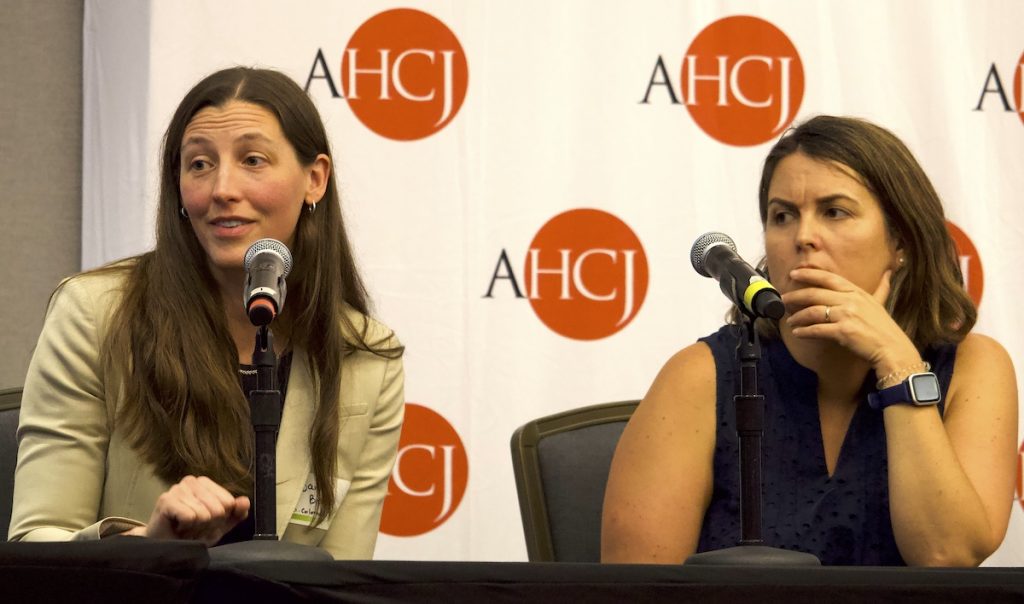 Rural Health 2025 panelists Sarah Brewer, Ph.D. (left), and Sophia Newcomer, Ph.D., MPH (right), talk about barriers to vaccination in rural areas. Photo by Kevin Ridder

The rural story: An update on rural health, data, and data challenges in 2025
Casey Balio, Ph.D., from East Tennessee State University, presented on rural health data, highlighting key demographic and health indicators. She discussed how rural areas often lag behind urban areas in various metrics like health care access, poverty rates and vaccination rates. However, she also emphasized the strengths of rural communities, such as lower crime rates and strong social networks. Balio noted limitations in rural data, including small sample sizes and challenges in capturing certain populations. She urged caution when interpreting provisional data and the importance of considering the context and limitations when reporting on rural health issues.
How cuts to Medicaid and SNAP will affect rural communities
Panelists Kevin Bennett, Ph.D., Gina Plata-Nino, J.D., and Katherine Hempstead, Ph.D., discussed the impact of the Trump tax law, which includes significant cuts to SNAP and Medicaid, which are lifelines in rural communities. Plata-Nino noted that the law reduces SNAP benefits, increases administrative costs for states and expands work requirements, which will likely result in millions of people losing access to the program.
Hempstead highlighted that the law enacts a historic cut to Medicaid, making it harder for people to stay in the program and reducing funding to states, which will affect rural hospitals and health care access. Bennett pointed out it isn’t just that rural hospitals will close; communities will experience economic downturns as the result of those closures, which have a ripple effect. The panelists touched on possible responses, including universal school meals and rethinking health care as a utility in rural areas.
Lessons from Georgia’s Medicaid work requirements
Panelists Leah Chan, MPH, and Deanna Williams discussed Georgia’s experience with Medicaid work requirements, which resulted in only 8,000 people being enrolled of the 240,000 eligible. Most of the funds allocated to the program were spent on administrative systems rather than benefits, they noted. Challenges included complex enrollment processes, low awareness in rural areas and the need for better infrastructure.
Williams said many of her clients were unaware of the program, despite state awareness initiatives. The panelists emphasized that while work requirements sound good on paper, the practical implementation is very difficult for eligible people, particularly in rural areas where documentation and verification of work can be difficult — not to mention the barrier presented by the digital divide.
How being disconnected is killing rural Americans
Panelists Eric Lind, Ph.D., and Megan Waiters — along with KFF chief rural correspondent Sarah Jane Tribble, whose recent project “Dead Zone” delved deeply into the lack of primary care and telehealth in rural areas — talked about the impact of transportation and internet access (and familiarity) on people who live in non-urban areas. Waiters explained her role as a digital navigator in Alabama and seeing some of her clients’ health improve as they learned basic online skills that allowed them to manage their own health care. Lind discussed the relationship between transportation access and health and how long travel times can negatively impact essential health services.
The inside story: Voices from the front line workforce
Panelists Nikki Bryant, PharmD, Sheena Favors, D.O., M.S., and Spencer Windham talked about their experiences as, respectively, a pharmacist, obstetrician-gynecologist, and owner/operator of nursing homes in rural America. They discussed the significant workforce challenges they face, highlighting shortages across pharmacies, clinics and nursing homes.
Bryant talked about the complex credentialing process and cross-training of staff she needs to maintain her operations. Windham emphasized the need for creative solutions to retain staff and the importance of consistency in caregiving in nursing homes. With panelist Brock Slabach, MPH, COO of the National Rural Health Association, providing the broader perspective, the panelists agreed that transportation barriers, reimbursement rates and a lack of data on health care workforce distribution are hindering rural health care access. They also discussed the impact of immigration policies on staffing.
Understanding the opioid epidemic’s toll on rural America
Panelists Jessica Schwind, Ph.D., MPH, and Irene Walker, MPH, emphasized that overdose trends vary significantly between counties and regions and the importance of understanding local solutions to overdose. Walker talked about the work of overdose response teams in enhancing collaboration between public health and safety. They advised journalists to be aware of stigmatizing language and imagery, to focus on re-entry stories and to understand that recovery is non-linear.
How to overcome the barriers to vaccination in rural America
Panelists Noel Brewer, Ph.D., Sarah Brewer, Ph.D., and Sophia Newcomer, Ph.D., MPH, talked about barriers to vaccination in rural areas and recent, cataclysmic changes to the Advisory Committee on Immunization Practices (ACIP). Newcomer and Sarah Brewer presented data showing persistently lower vaccination rates in rural areas, attributing this to structural and logistical issues and health beliefs. They said these barriers could be addressed through multi-pronged approaches and community engagement.
Noel Brewer — a former ACIP member — discussed the recent ACIP shake-up and the game-changing removal of 17 voting members from the committee. He pointed out that new members lack pediatric and/or infectious disease experience and potential chaos in vaccine policy and recommendations. The future of vaccine policy could go in several different directions — none of them reliant on ACIP, he said.
Special Thanks To Our Sponsors