For seniors seeking health insurance coverage for 2025, open enrollment comes with new risks.
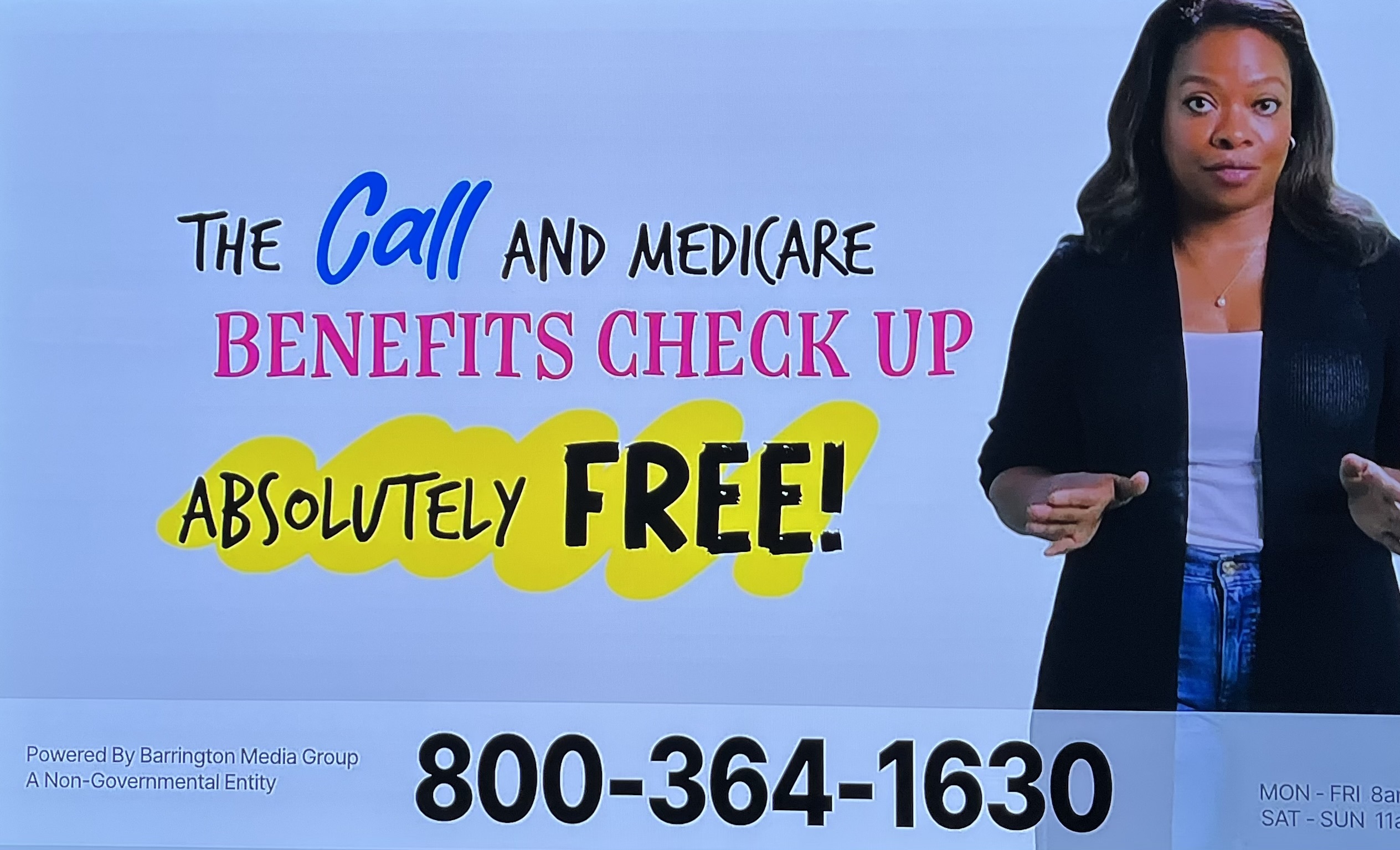
During open enrollment (Oct. 15 through Dec. 7,) beneficiaries can change their Medicare or drug-coverage plan, enroll in or switch to a new Medicare Advantage (MA) plan, change their drug plan if they receive traditional Medicare or switch to original Medicare from MA. The new coverage starts on Jan. 1
This year, reporters need to explain the many problems seniors face when enrolling in MA, seeking to change from one plan to another or simply when seeking care.
One of the first problems seniors will face this year is that health insurers will charge more for prescription drug and medical care in 2025 than they charged this year, wrote Bob Herman and Tara Bannow at STAT News. MA plans are cutting certain benefits or shifting costs to unsuspecting beneficiaries to capture profits they lost this year, they wrote.
Medicare members need accurate advice
Another problem journalists need to cover is that enrolling in Medicare, an MA plan or a Medicare supplement (or Medigap) plan is so complex that seniors need accurate advice from trusted sources. Those sources include the Medicare Plan Compare site and any local State Health Insurance Assistance Program (SHIP). SHIP provides unbiased help to Medicare beneficiaries, their families and caregivers.
Insurance agents and brokers also can be helpful, but seniors should know that insurers pay agents and brokers to enroll people in their health plans. Those brokers and agents often get higher commissions if enrollees choose an MA, Medigap or a stand-alone Part D plan rather than staying in traditional Medicare, according to KFF.
Another reason to seek good advice is that the U.S. health care system ranks poorly according to two recent surveys, as Richard Eisenberg reported for MarketWatch.com on Oct. 10. Those surveys were “Meeting the Growing Demand for Age-Friendly Care: Health Care at the Crossroads,” from the Age Wave consulting firm and the John A. Hartford Foundation, and The Commonwealth Fund’s “Mirror, Mirror 2024: A Portrait of the Failing U.S. Health System.” We reported on these reports here and here.
Problems with Medicare Advantage
MA is so popular among seniors that 32.8 million people are enrolled in these plans this year, representing 54% of those eligible for Medicare, KFF reported in August. Many factors make MA plans attractive, including low or $0 premium plans and benefits such as gym memberships, eye care, hearing and dental services. That said, reporters need to explain that health insurers offer MA plans to boost their profits and can limit access to care through narrow networks and preapproval steps.
The problem of narrow networks is especially acute when seeking care for mental health and substance use as Annie Waldman, Maya Miller, Duaa Eldeib, and Max Blau reported for ProPublica in August. We covered their reporting in this story post.
When choosing an MA plan, seniors must ensure their physicians and specialists are in their network. Almost all Medicare members have multiple providers; not all of them accept MA.
Another danger journalists should report on is: MA plans use prior authorization to deny care. In a report published Oct. 17, the majority staff of the U.S. Senate Permanent Subcommittee on Investigations showed how the nation’s three largest MA insurers — UnitedHealthcare, Humana, and CVS — have used prior authorization for patients in skilled nursing facilities, inpatient rehabilitation facilities and long-term acute care hospitals to increase profit by limiting care for patients who need such costly care.
“Insurer denials at these facilities, which help people recover from injuries and illnesses, can force seniors to make difficult choices about their health and finances in the vulnerable days after exiting a hospital,” the majority staff wrote in the 54-page report.
The staff cited the work of STAT’s Herman and Casey Ross, who reported last year that the three MA insurers had used an artificial-intelligence-derived algorithm to assist doctors and other medical professionals to limit the care of post-acute patients, as we reported here and here.
In October, by T. Christian Miller, David Armstrong from ProPublica and Patrick Rucker for The Capitol reported that the nation’s largest health insurers hire EviCore to make decisions on whether to pay for the care for more than 100 million people. EviCore uses an algorithm to adjust the chances that company doctors will screen pre-approval requests, increasing the possibility of denials, they wrote.
Assessing extra benefits
As KFF noted in a recent issue brief, both traditional Medicare and MA plans cover all services in Medicare Part A (for hospital care) and Part B (for physician visits), but certain features vary widely among plans, such as out-of-pocket costs, provider networks and access to extra benefits.
This angle is important for journalists. Cheryl Clark reported for MedPage Today that when seniors review plan offerings, they may see a check showing that an MA plan offers hearing services or other benefits. But Stacie B. Dusetzina, Ph.D., a health policy professor at Vanderbilt University and a member of the Medicare Payment Advisory Commission, was concerned that plans got credit simply by having a check mark for covering a service. But the plan provides only a small component of such care, Clark explained.
“For example, a plan gets a check mark on the Medicare Plan Finder that it offers hearing services, even if the plan pays just for a hearing evaluation — but nothing for hearing aids themselves or the fitting for them,” Dusetzina told Clark. “That’s kind of ridiculous because there’s a big difference in benefits.”
One more MA problem
Another issue journalists should cover is that in most states, it’s much harder to get out of an MA plan than it is to enroll, as Sara Jane Tribble wrote for KFF Health News earlier this year. After enrollment, any MA member who develops a chronic and costly condition might be unable to switch out of MA into traditional Medicare, Tribble explained.
We covered this angle in an earlier blog post. And Clark explained how Medicare should not let anyone with serious health risks enroll in MA plans.
Resources
- “Not Medically Necessary”: Inside the Company Helping America’s Biggest Health Insurers Deny Coverage for Care, ProPublica, Oct. 23.
- Explore your Medicare coverage options, Medicare. Gov
- Meeting the Growing Demand for Age-Friendly Care: Health Care at the Crossroads, The John A. Hartford Foundation
- Medicare Advantage Data Hub, The Commonwealth Fund
- Biden-Harris Administration’s Inflation Reduction Act Saves Medicare Enrollees Nearly $1 Billion in Just the First Half of 2024, HHS press office, Oct. 22.
- Everything you need to know about Medicare reforms, the PAN Foundation, September 2024.
- Biden-Harris Administration Lowers Mental Health Care Costs by Improving Access to Mental Health and Substance Use Care, Biden-Harris White House statement, Sept. 9