
The World Health Organization officially declared mpox a global public health emergency on Aug. 14 due to the ongoing outbreak in the Democratic Republic of the Congo and several other African countries.
The Congo alone has already accrued more than 15,600 cases and 537 deaths, the WHO notes, a greater mortality rate than in the 2022 outbreak. More than 100 lab-confirmed cases have occurred in four neighboring countries — Burundi, Kenya, Rwanda and Uganda — that have not previously had mpox (previously known as monkeypox). In this article, I share some important background information about this most recent outbreak and provide ideas for localizing the story.
What to know
What is particularly concerning about this outbreak is that it involves a new clade (a new subtype or strain), clade 1b. While the mpox outbreak is currently centered in Africa, we know from plenty of experience in past epidemics that it’s all too easy for outbreaks to cross the ocean, like the 2022 mpox outbreak in the U.S. that involved more than 32,000 cases and 58 deaths. The first case outside of Africa was already reported Thursday in Sweden.
Mpox cases in the U.S. continue to be updated monthly, but the CDC noted in their most recent update on March 5 that there had not been a substantial change in weekly or monthly mpox cases in the previous six months. That’s good news, but the reduced case count may have contributed to complacency in preparedness for another outbreak.
The National Coalition of STD Directors issued a warning on Aug 14 that the U.S. has insufficient funding and preparedness to deal with the “looming threat” of a domestic resurgence of mpox. The release notes that recommendations made by the Government Accountability Office in April this year have not been implemented. This is especially concerning given the U.S. outbreak accounted for a third of global cases in 2022.
What to report to your audiences
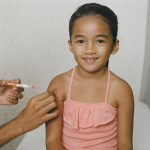
As with any infectious disease outbreak, the key information to communicate to your audience is what the current risk level is to them, what the potential future risk could be, signs and symptoms, how the disease spreads, who is most at risk and measures they can take to protect themselves. Information on the two-dose mpox vaccine, including who should get it and what to expect for side effects, is available here.
Some great examples of recent informational news stories on mpox include Maria Cheng’s AP story, Helen Branswell’s STAT article, Eve Sampson’s explainer at NYT, and this particularly comprehensive Washington Post piece, with an accompanying explainer, by Fenit Nirappil and Rachel Chason.
To localize a similar type of article, consider including:
- Specific at-risk populations in your audience.
- How many cases occurred locally during the 2022 outbreak.
- Where people can access the mpox vaccines locally.
- What local mpox vaccine supply looks like.
- What behaviors increase risk specifically in your area (if relevant).
- Where to go if someone suspects they have mpox.
- What care, locally, people should expect if they have mpox.
Additional resources for journalists
- The WHO’s first meeting of the Emergency Committee regarding the mpox outbreak in Africa occurred on Aug. 14. At the following links, journalists can access the opening remarks transcript, audio file, photos for media use, the press conference video, and a news package of B-roll and soundbites. (To access photos, you must register as media for the WHO.)
- Background information on WHO Emergency Committees is available to provide context for what Emergency Committees are when they form, and what powers they have; and WHO Director-General Tedros Adhanom Ghebreyesus’s Aug. 7 remarks on forming the committee.
- Gavi, the Vaccine Alliance, an international public-private partnership organization that coordinates vaccine distribution for low- and middle-income countries, is already working on helping with mpox vaccination and previously approved including a mpox vaccine stockpile in its future five-year plan.
- CDC information on mpox and mpox vaccination, CDC communication resources on mpox, and the CDC’s Mpox Treatment Information for Healthcare Professionals.
- This fact sheet on mpox from the National Foundation for Infectious Diseases.