By Beth Howard, AHCJ Freelance Health Journalism Travel Scholarship recipient
The long effort and new risks of polio eradication
At Health Journalism 2024 in June, panelists explored the ongoing global effort to combat polio and improve vaccination rates.
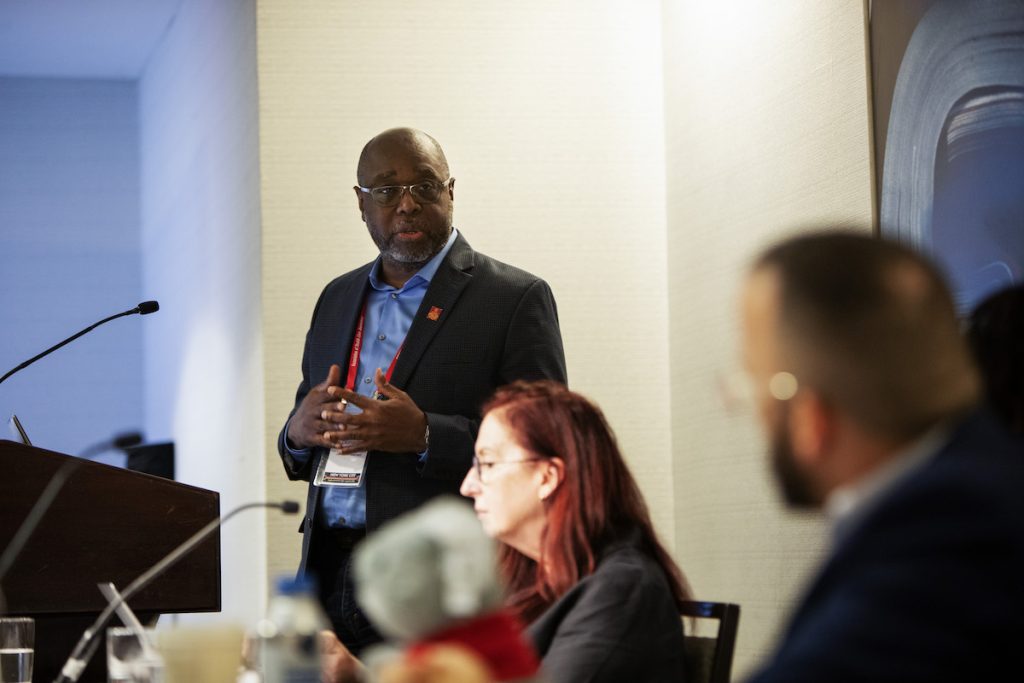
Fabien Diomande, M.D., M.Sc., who leads polio eradication efforts at the Task Force for Global Health, offered some perspective on global progress. Diomande said that when the Global Polio Education Initiative was established in 1988, there were 350,000 cases of polio with 35,000 deaths in 125 countries. In 2024, there were only 12 infections in two countries, Pakistan and Afghanistan, and 347 cases associated with the use of the oral vaccine, which is made of attenuated live polio virus.
The inability to produce vaccines locally and a lack of transport facilities pose hurdles when trying to prevent infection in remote communities, Diomande said. Other barriers to more widespread vaccination include security issues, climate change, vaccine hesitancy, and a lack of funding, he added. The COVID pandemic exacerbated these concerns.
Efforts to overcome these barriers include enhancing country-level coordination and community-level micro planning and using satellite imaging and vaccine tracking systems.
“The goal is to know where the children are and what we can do to reach those children,” Diomande said.
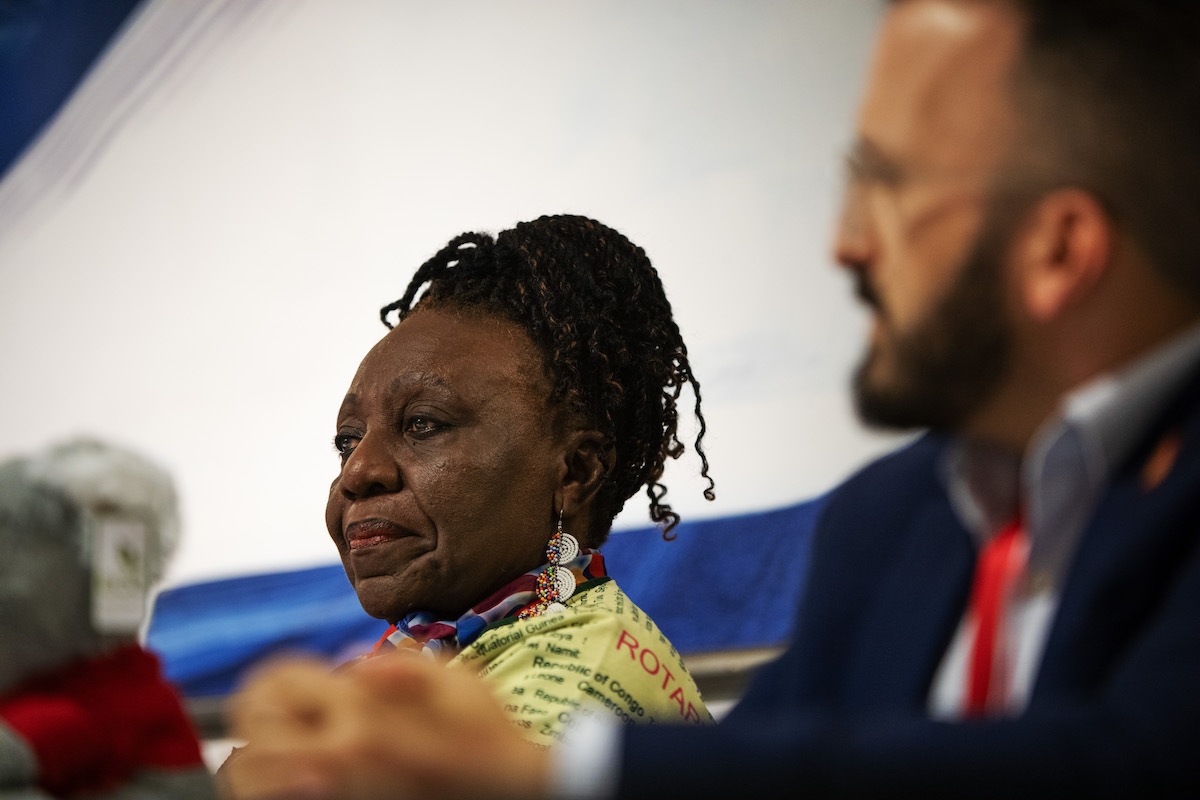
Stella Anyangwe, M.D., Ph.D., End Polio Now coordinator for Rotary International, noted that sub-Saharan Africa was declared free of wild polio virus in 2020. However, there was one case in Malawi in 2021 and eight cases in Mozambique in 2022. Rapid action to mass immunize children in the country was instrumental in ending the outbreak, she said.
As long as there’s one child in the world who is not vaccinated, all children in the world are at risk.
Stella Anyangwe, M.D., Ph.D.
Inadequate planning and funding, as well as political instability, often hobble vaccination efforts, Anyangwe said.
Variants of the polio virus that evolved from the oral (live) virus vaccine pose another significant challenge to polio eradication, she said. The highest numbers of variant cases have occurred in Nigeria, followed by Yemen. A novel poliovirus vaccine offers hope but is not readily available.
New York outbreak
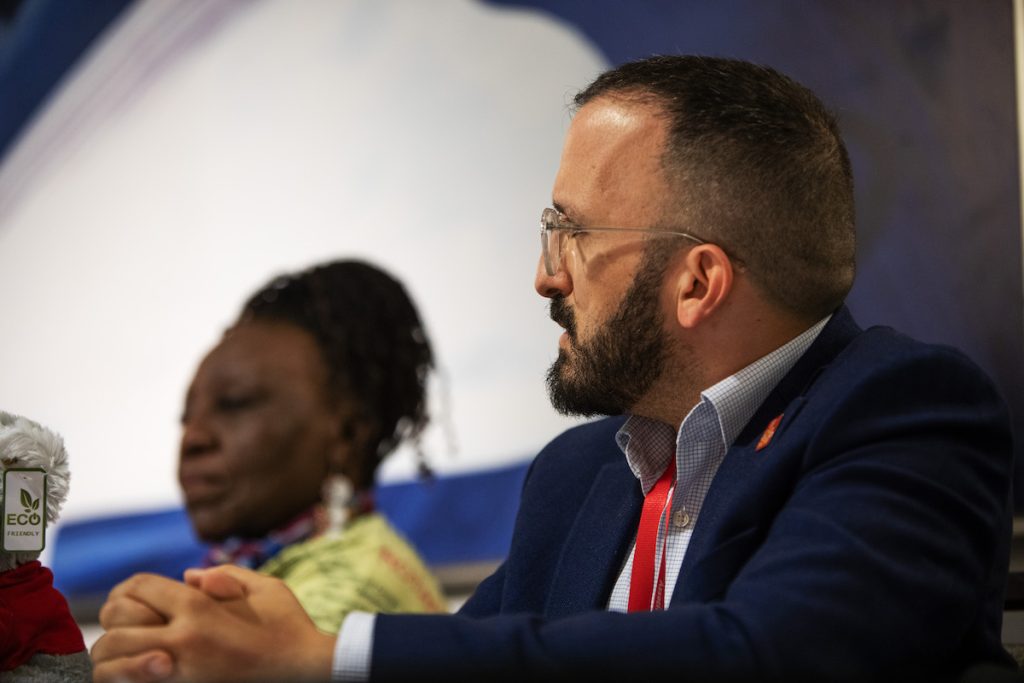
Panelist Eli Rosenberg, Ph.D., deputy director for science at the New York State Health Department’s Office of Public Health, offered insights on the 2022 polio outbreak affecting counties near and adjacent to New York City.
The outbreak was first noticed when an unvaccinated young adult developed fever, gastrointestinal symptoms, and weakened muscles. The infection was especially concerning because the U.S. has not used the oral vaccine, which contains live virus, in more than 20 years. The person had not traveled outside the country either, so their illness was unlikely to be caused by the attenuated virus.
With the “jaw-dropping” diagnosis that followed, the health department launched a series of detection efforts, including wastewater surveillance. It investigated hospital-based data systems, put out health advisories to encourage testing, and even worked with pediatricians to sample diapers.
They found the outbreak most severe in areas of the state that are home to large ultra-orthodox Jewish communities, where vaccine coverage is as low as 31%. The same communities have experienced outbreaks of measles and mumps in recent years, Rosenberg said.
“These are not just sub-Saharan African issues,” Rosenberg said. “The same rumors, the same access challenges can affect us in key communities here in New York.”
Beth Howard is an independent journalist, based in Charlotte, N.C., and a 2024 recipient of an AHCJ Freelance Health Journalism Travel Scholarship.