Category
We’re gathering reporters’ experiences of being stonewalled by federal agencies to defend transparency and the public’s right to know.


A team of Wall Street Journal reporters applied to CMS to be treated as researchers for a series into Medicare…

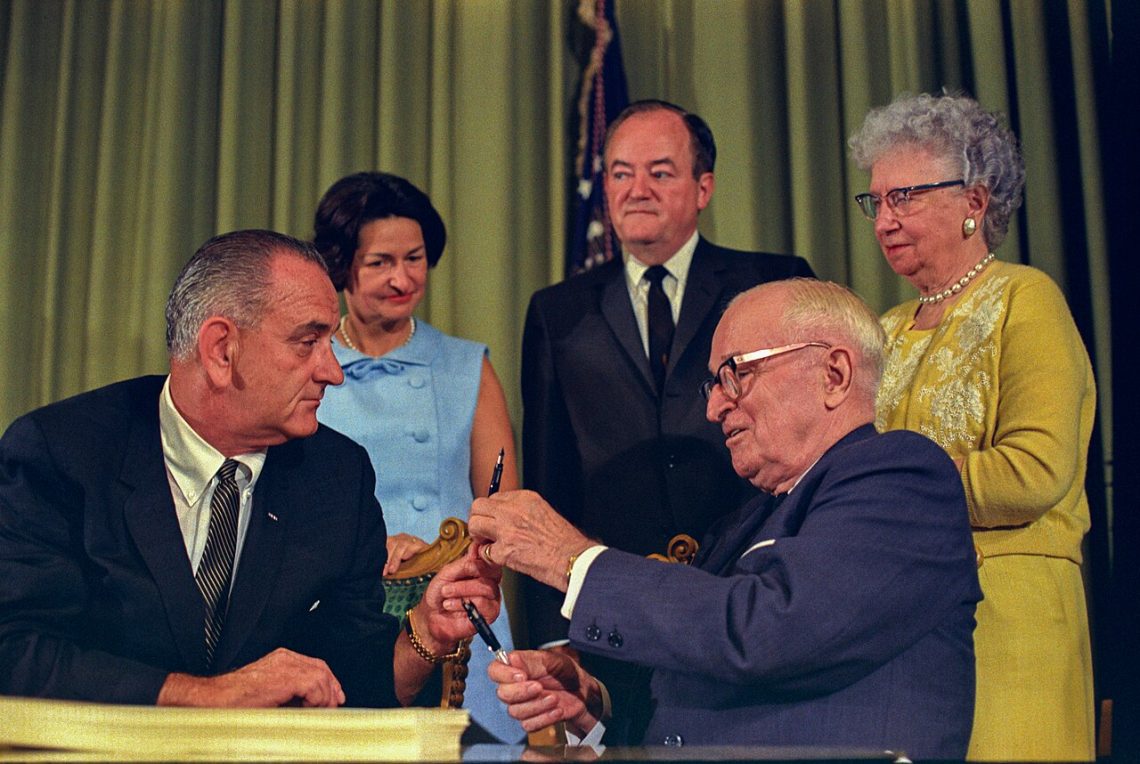
July marks the 60th anniversary of Medicare, Medicaid and the Older Americans Act — but the GOP’s budget bill threatens…


At HJ25, former HHS Secretary Xavier Becerra encouraged journalists to stand up against misinformation and disinformation from the government.

In this webinar, hear what Alison Tanner and Law Dork’s Chris Geidner have to say about upcoming cases in the…


2025 could be the last year with record enrollment ACA health plans if Republicans in Congress succeed in letting the…
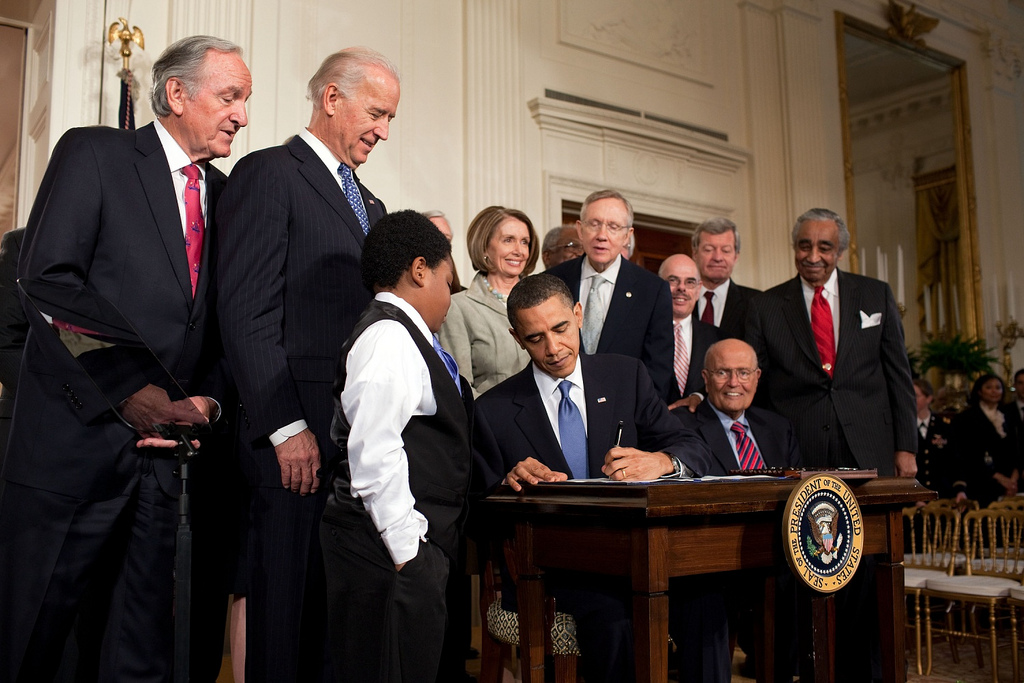
Learn how shortening the open sign-up period and cutting funding for health benefit navigators could limit enrollment in the Affordable…

We are writing on behalf of the 1,400 members of AHCJ to protest the removal of vital public health data…

Audiences need ongoing, accurate information about Kennedy’s beliefs on vaccines and health policy — and what he could do as…


Lexi Churchill of ProPublica (at the podium) and Sandhya Kambhampati of the Los Angeles Times (to the right) talking to…